Hong Kong universities power Belt and Road Initiative through strategic ties
Tertiary institutions such as PolyU, EdUHK and HKUST are establishing lasting academic and industry partnerships across the world

Hong Kong has been actively advancing links with Belt and Road Initiative (BRI) countries in trade, finance and professional services. Similarly, the city’s local universities have been developing innovative programmes and exchanges to strengthen ties, share knowledge and promote long-term cross-border collaboration between academia and industry.
A prime example is the Hong Kong Polytechnic University’s (PolyU) Belt and Road Advanced Programme in Power and Energy. This year’s cohort of 45 professionals from countries including Brazil, Argentina, Indonesia, the Philippines, Russia and South Africa focused on the ways that AI technologies are enabling new power systems.
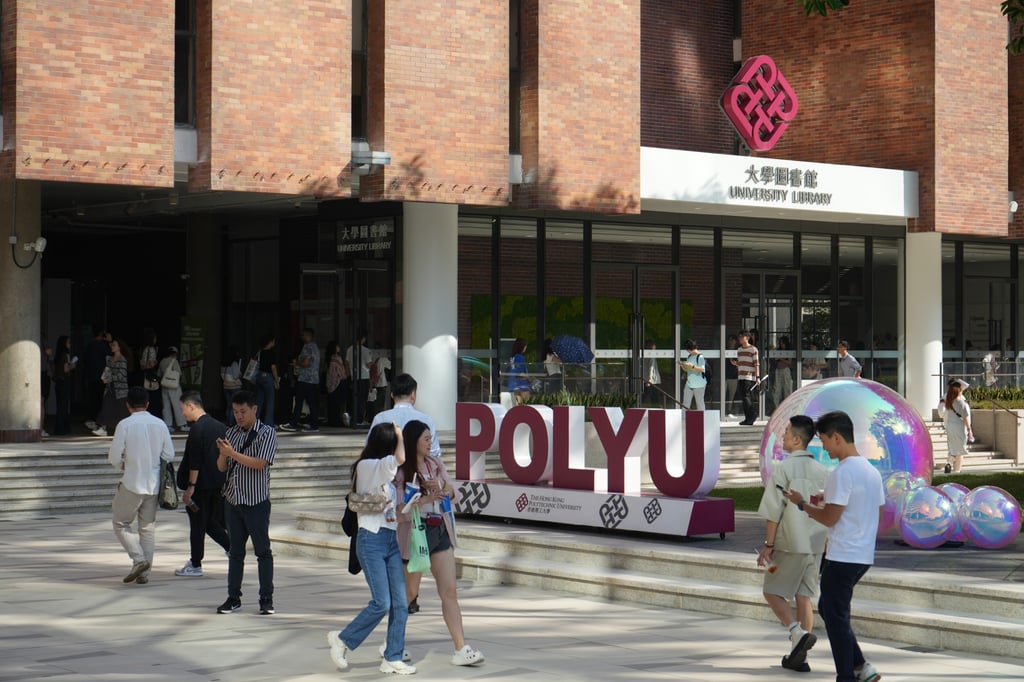
“Running the programme takes persistence and belief,” says Professor HC Man, dean of the Faculty of Engineering. He notes that over 900 professionals from 44 BRI countries have taken part since 2018. “What we have done,” continues Man, “creates impact by introducing participants to the latest technology and learning, which they then take back home.”
This ripple effect is tangible. For instance, last year three attendees from Chile were so impressed that they subsequently sent a team of professors to PolyU to initiate ongoing collaboration. Furthermore, the workshops and visits have provided industry partners with valuable exposure and opportunities to forge new business connections in BRI markets. By leveraging both consular and academic networks, PolyU has also established new contacts with overseas universities renowned for their strong power and energy departments.
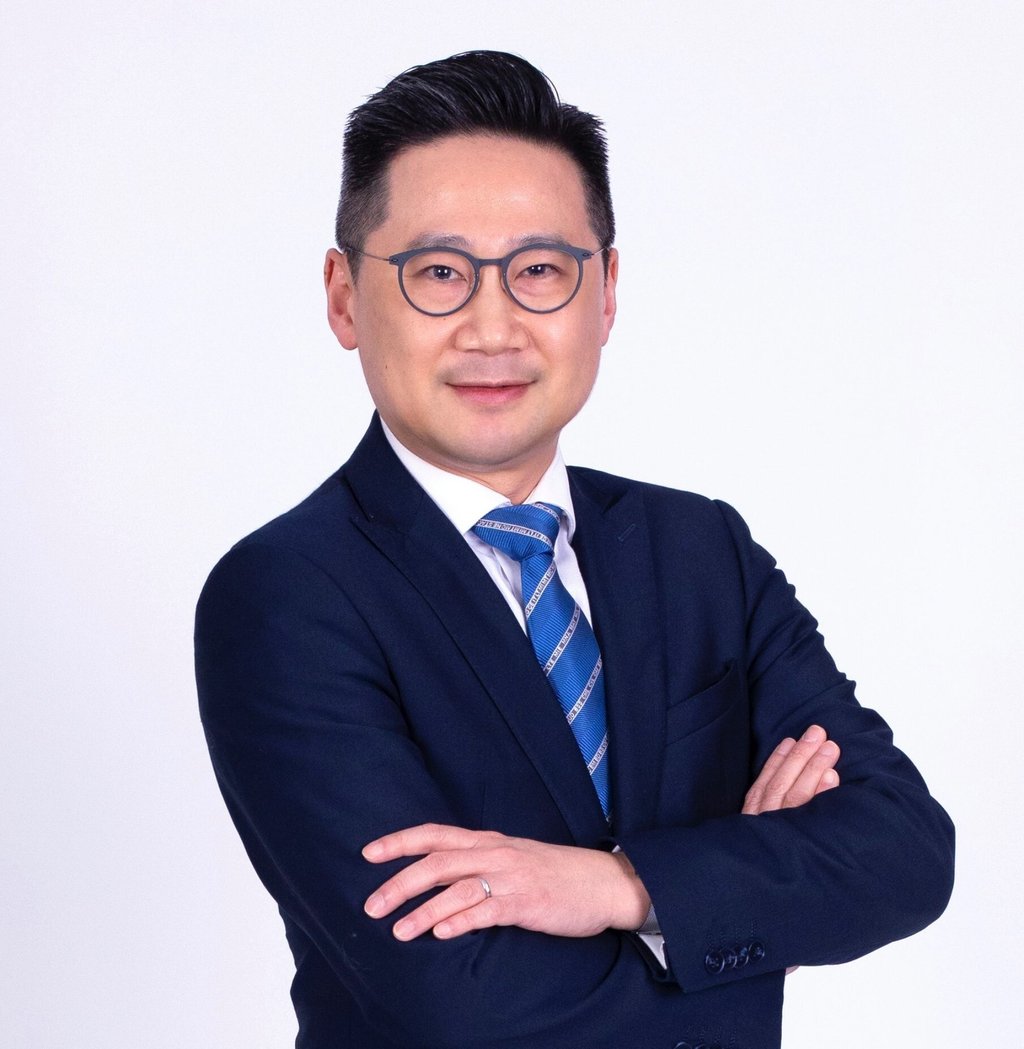
According to Ir Wilson Kwok, dean of the HK Electric Institute, the PolyU programme has become an effective international platform for advancing collaboration, talent development and innovation in the energy sector. He believes it has fostered dialogue and meaningful exchanges, helping to build capacity and lead the transition to a low-carbon future.
“We share our experience of power system planning, operations and asset management with the participants,” Kwok says. “We also offer them valuable insights into the best practices and challenges associated with operating a highly reliable electricity network and show how the latest engineering concepts are applied in real-world settings.”