How the China-Kyrgyzstan-Uzbekistan railway is reshaping Eurasian trade
The challenging Belt and Road Initiative project offers a vital Middle Corridor route – linking China to Europe while bypassing Russia

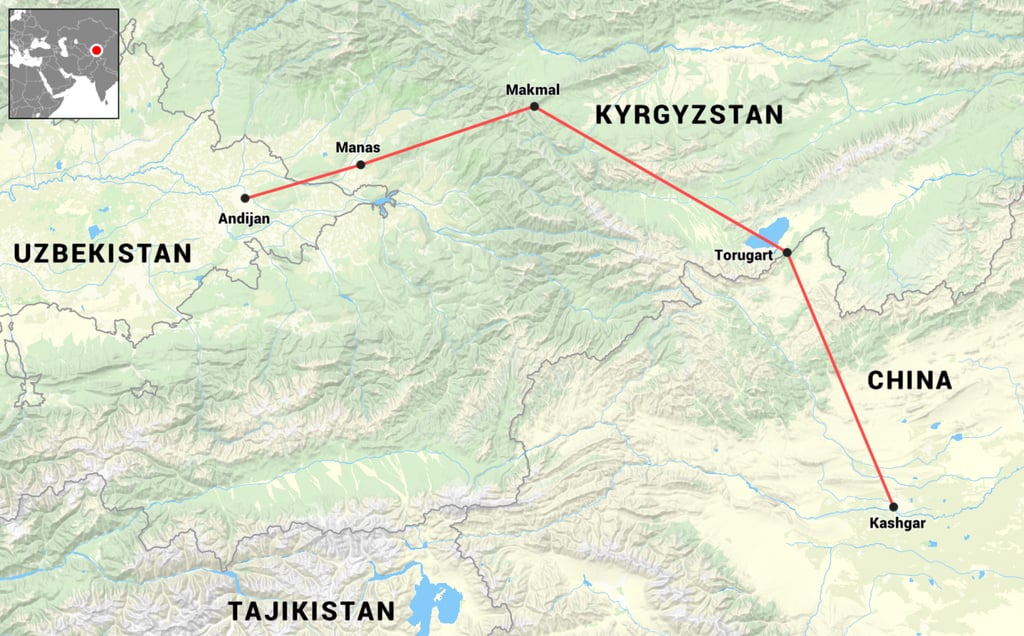
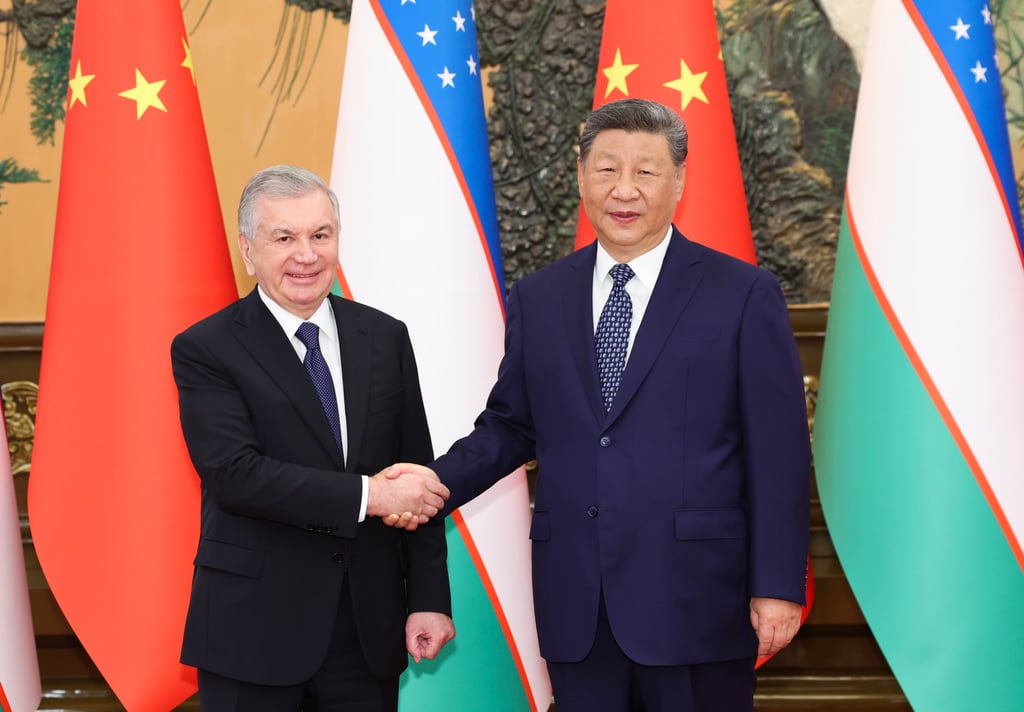
When the groundbreaking ceremony for the China-Kyrgyzstan-Uzbekistan (CKU) railway took place in December 2024, it marked the end of a nearly 30-year-long diplomatic journey. First discussed in Paris in 1997, the project had languished for decades, a symbol of unrealised potential in a disconnected, landlocked region. Now finally under construction, it is one of the most audacious projects in China’s Belt and Road Initiative (BRI). The CKU promises economic transformation in an underdeveloped part of the world but carries profound risks. It is a high-stakes gamble to drive a railway line over and through such notoriously mountainous terrain: will it reshape Central Asia or turn into a financial black hole?
Forging a fresh path
Since the unveiling of the BRI in 2013, there have been more than 100 projects in Central Asia, with railway lines often making the biggest headlines. These have included development of the new 5,420km (3,367 miles) Xining-Balkan route, linking China’s western Qinghai Province to the Balkan region of Turkmenistan, and the short but technically demanding Angren-Pop line in Uzbekistan and Vahdat-Yavan line in Tajikistan.
The CKU is intended as a capstone for these projects, providing a so-called “Middle Corridor” to Europe, also known as the Trans-Caspian International Transport Route (TITR). This alternative to the “northern route” through Russia has become strategically vital for China and Central Asia, as sanctions on Moscow, due to the invasion of Ukraine, have forced a search for more reliable trade routes.
Freight traffic on the TITR’s new railway line, running from the Chinese-Kazakh border through Kyrgyzstan to Uzbekistan, will be quicker compared to the current Khorgos line. Experts expect it will cut shipping times to Europe by 7-8 days and reduce costs by as much as 30 per cent.
Kyrgyzstan, the primary beneficiary, expects the railway’s ultimate freight capacity to be up to 15 million tons, thereby more than doubling the country’s 2025 capacity. Such numbers have fuelled tremendous optimism. Kyrgyz deputy prime minister, Edil Baisalov, claimed the route could generate over US$300 million annually, “even under the most pessimistic scenarios”. This economic incentive is driving a new era of regional cooperation. “I’ve watched this railway move Kyrgyz-Uzbek relations from friction to cooperation,” said Akramjon Nematov, first deputy director of Uzbekistan’s Institute for Strategic and Regional Studies. “And I measure progress not in words, but in cubic metres of earth moved.”
Beyond Central Asia, the CKU is viewed as a critical component of a larger Eurasian network. “Central Asian and Caucasian states all want to capitalise on Russia’s isolation to secure their role in [the Middle Corridor],” notes Nicholas Castillo, a recent reporter for CivilNet in Armenia and an MA student at Harvard’s Davis Center for Russian and Eurasian Studies.
Challenges ahead
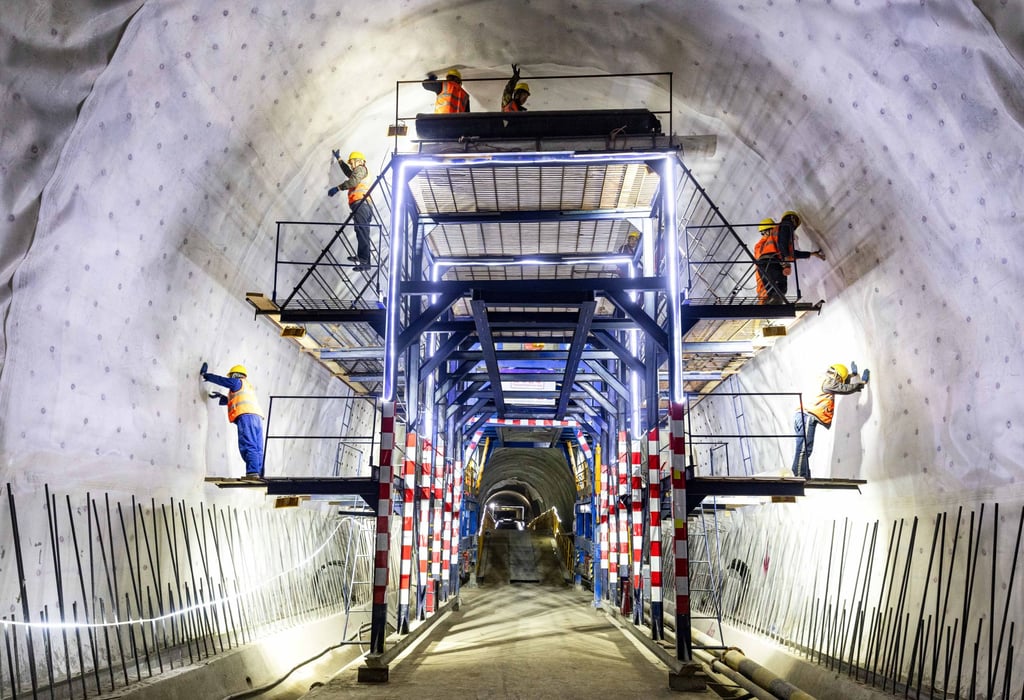
Despite the fanfare, optimism is tempered by numerous complications that risk delays and added costs. The primary obstacles, as they have been since the 1990s, are “financing and geography”, according to Yunis Sharifli, a PhD researcher at Istanbul University. “Kyrgyzstan’s mountainous terrain makes railway construction technically difficult and expensive. The route requires extensive construction of tunnels, bridges and other infrastructure through challenging terrain.”