Why music and handwriting are the antidotes to AI in education
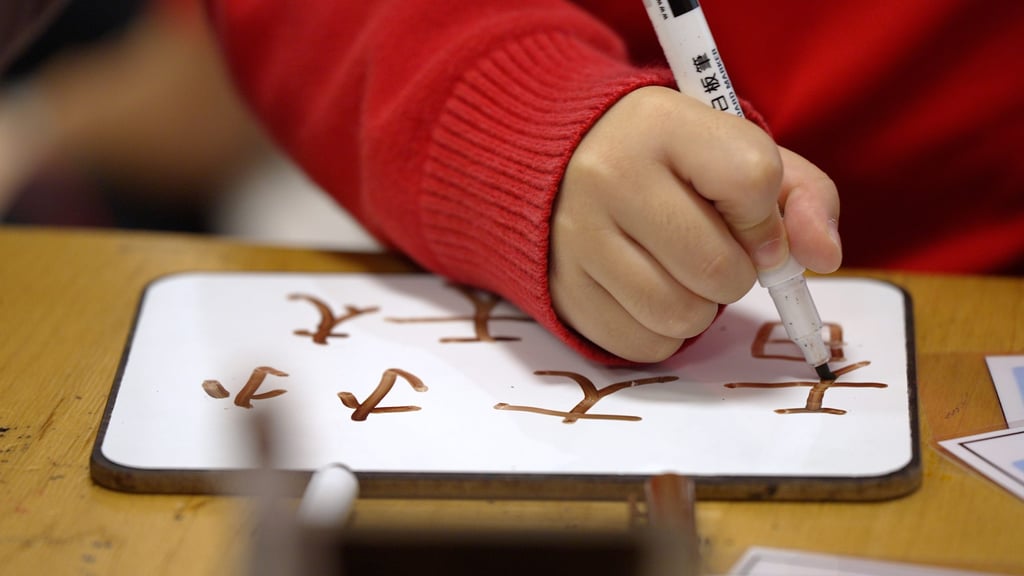
As AI dulls children’s patience and critical thinking, educators say handwriting and learning an instrument can rebuild the skills technology erodes

“The skills most under pressure are patience, sustained attention, critical thinking and contemplation,” says Ryan Stevenson, co-founder and director of Bright Heart Education, a UK-based tutoring agency. “These all require time, whereas AI can generate answers almost instantly. Proper thinking is a lifelong skill that AI should serve, rather than being its master.”
Sukhmani Ojha, an ICT facilitator at Carmel School Hong Kong, notes that AI has impacted students’ willingness to devote time and effort to solving problems.
“The most significant loss is the capacity for ‘productive struggle’ – the willingness to sit with a difficult problem, make mistakes and build a solution from scratch. The oyster cannot produce a pearl without grit,” she says.