How 3 artists redefined the traditional Chinese art of ink at Art Basel Hong Kong
Xu Jiong, Chao Chung-hsiang and Tang Chang brought calligraphy and ink landscapes with Western sensibilities to the fair

Ink has been at the heart of traditional Chinese art for centuries. Cultural ideals, aesthetic perception and the literati artistic tradition are deeply rooted in the use of ink – whether in calligraphy, landscape painting or, in many cases, a combination of both.
Today, the art form continues to be a medium for artists to explore the shape-shifting nature of language and aesthetics, with contemporary artists rethinking and redefining how brushstrokes – sometimes bold, at other times delicate – are interpreted.
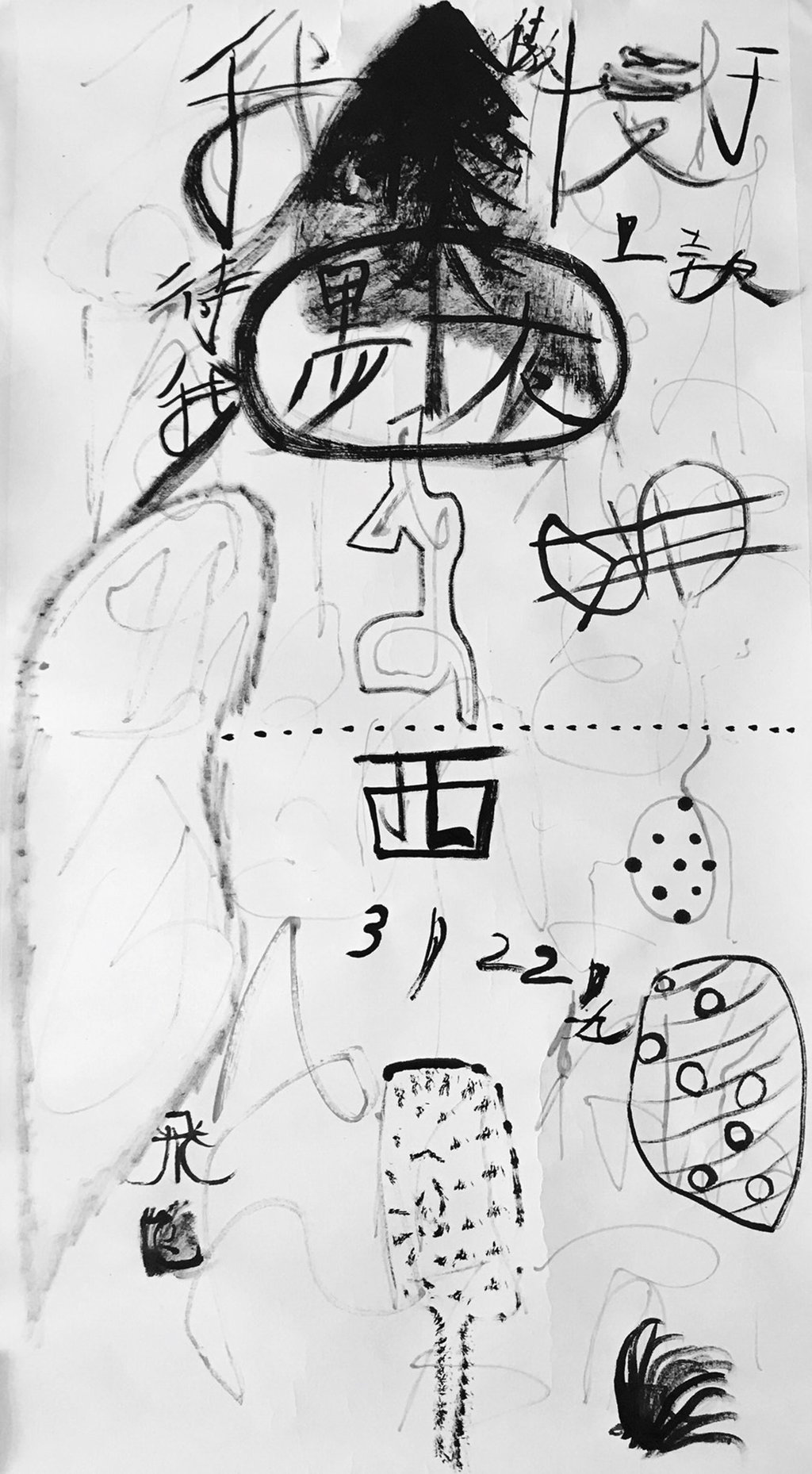
Each Modern gallery brings Xu Jiong’s works to the Insights sector this year, including the Spring Monster series. Born in Hangzhou in 1983, Xu trained as a calligrapher, which lent him a strong foundation in traditional Chinese calligraphy and painting from a young age. He injected elements of Western contemporary art into his works, exploring and expanding the literati art genre through a Western lens.
Through his vivid, dynamic brushwork, Xu blends the spirit of Chinese artistic traditions with Western visual language, reimagining landscape and calligraphy within a contemporary framework. Each Modern’s catalogue says: “His work constitutes a declaration that the future of Eastern aesthetics lies in unleashing its intrinsic energy and actively shaping new forms within the contemporary context.”