Art Basel Hong Kong previews open today: here are 9 artists to look out for
From Kazakh warrior sculptures to speculative films by Andrew Thomas Huang and Ayoung Kim, these are the artworks defining this year’s programme

Aya Shalkar and Uuriintuya Dagvasambuu
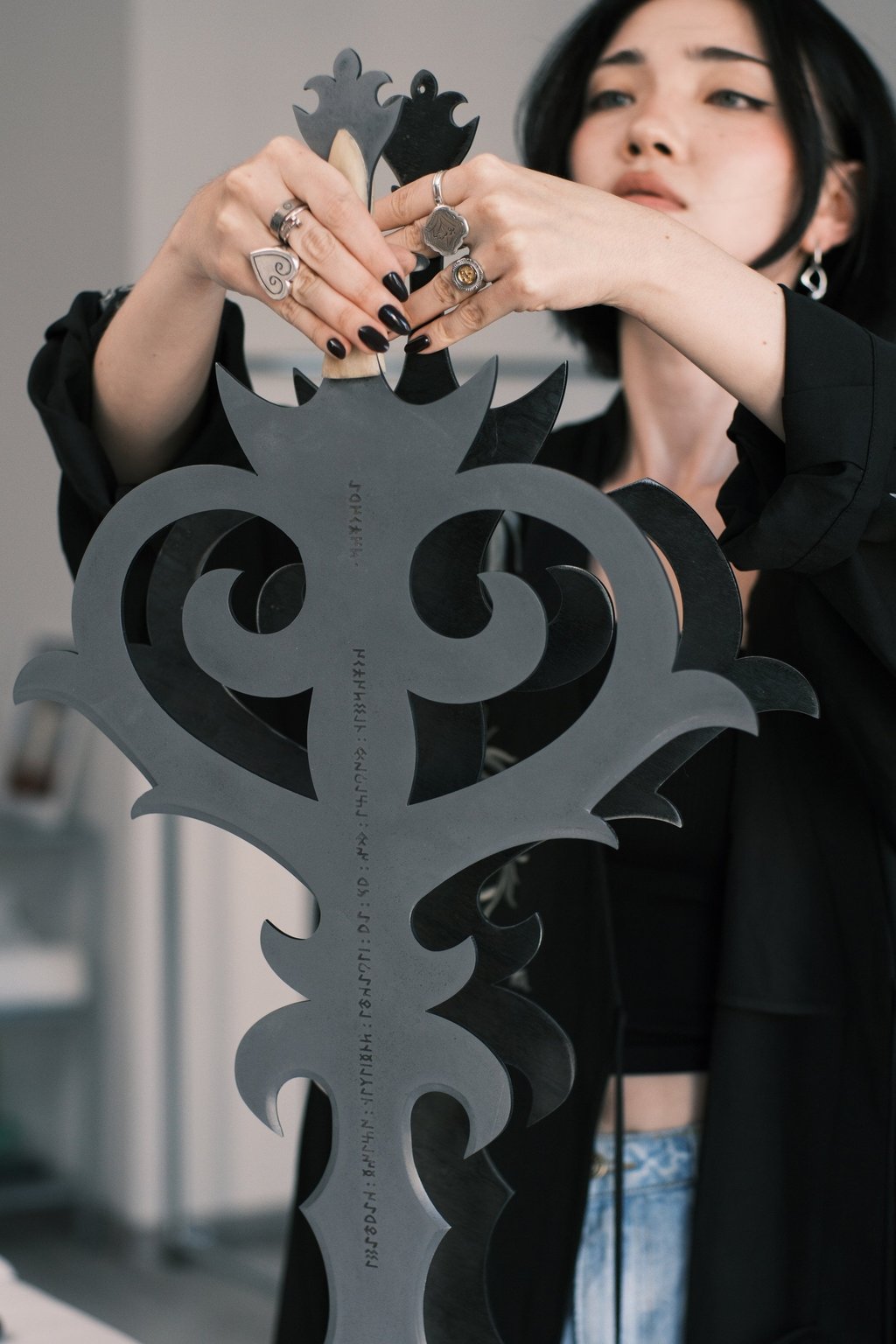
Art from Central Asia has been making its presence felt on the global art stage. Hong Kong’s Chat held a landmark show in 2023: “Clouds, Power and Ornament – Roving Central Asia” was the first exhibition on Central Asian textile art in Greater China, introducing local audiences to the region. The debut of the highly acclaimed Bukhara Biennale in Uzbekistan last autumn also brought the work of many of the artists practising in the region to the fore. New York-based Sapar Contemporary is presenting the work of Kazakh artist Aya Shalkar and Mongolian artist Uuriintuya Dagvasambuu. Both engage with themes of strong feminine characters across ancient civilisations, and cultural traditions of shamanic Tengri in Kazakhstan, Mongol nomads, Tibetan Buddhism and Islam.
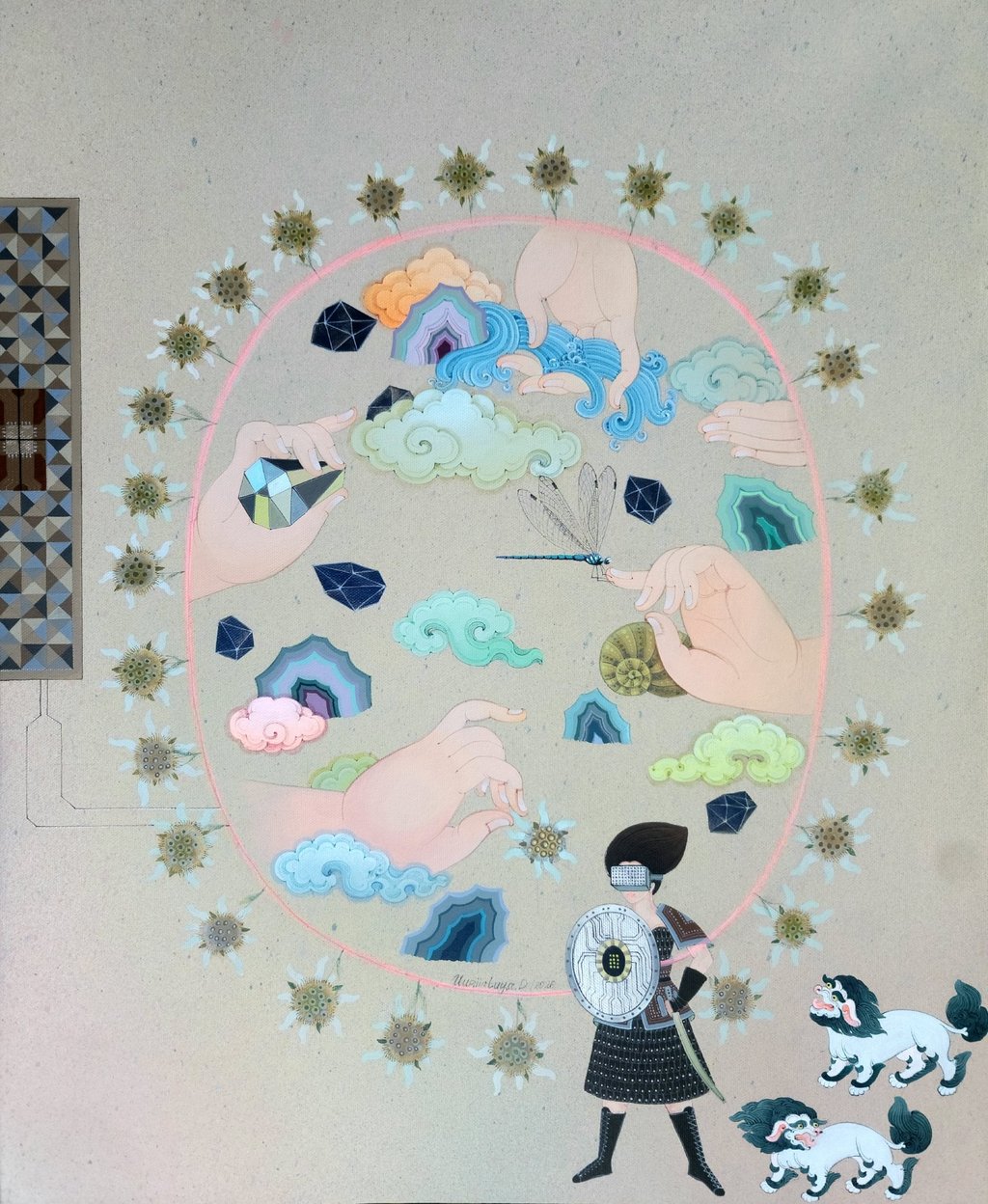
Typically addressing cultural identity and gender roles through sculptures, Shalkar utilises speculative fiction and archaeology to visualise stories of female warriors and other mythical beings, as told during the Peri civilisations. Her sculptures are often produced in collaboration with local Kazakh artists and incorporate steel, natural bone, brass and rope. Dagvasambuu puts a surrealist twist on Mongol Zurag painting and Buddhist iconography to depict contemporary versions of female warriors, such as mothers and migrant women, chronicling their everyday lives in her post-nomadic homeland.
Amba Sayal-Bennett
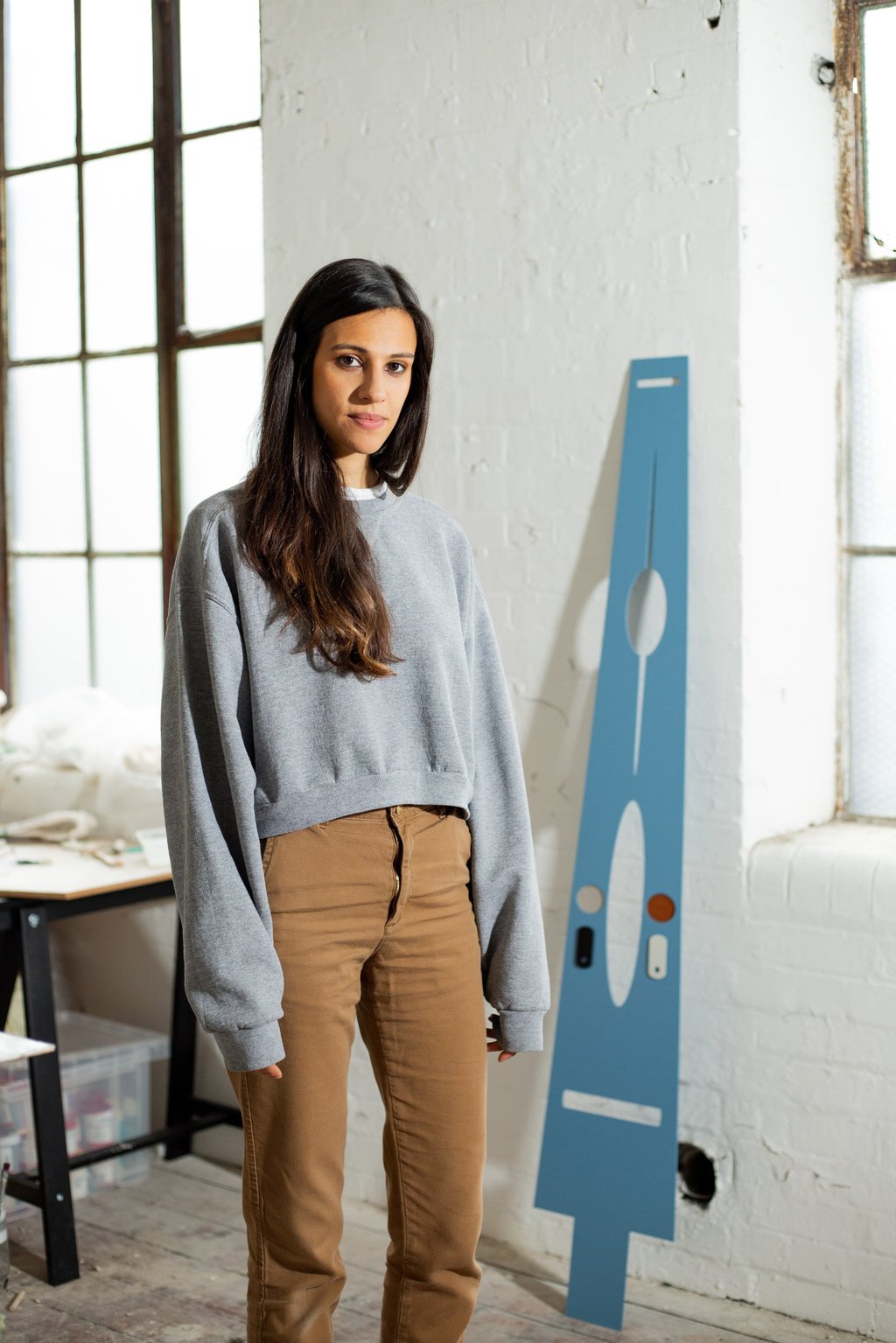
British-Indian artist Amba Sayal-Bennett addresses migration and the diaspora in her sculptures and drawings – specifically, how, through these experiences, knowledge is formed, imposed and reimagined. On view at Tarq’s booth in the fair’s Discoveries sector, System Overlay is a new series evolving from a recent body of work drawing from architecture and medicine. It is informed by European medical diagrams that tend to decontextualise organs and body parts, resulting in a fragmented rather than holistic image. Sayal-Bennett’s drawings depict organ-like forms overlaid with intricate, linear, almost blueprint-like designs. Working on a touchpad, she conceptually translates this sense of disjointed fragmentation onto tracing paper, as a kind of mistranslation forms in the gaps between her gestures on the touchpad, what is reflected on the screen and what is finally produced. Her sculptural forms, which are characterised by the same intricacy as her drawings, result in a meticulously crafted work that evokes a sense of clinical disease.
Kei Imazu, Noe Aoki and Akiko Kinugawa
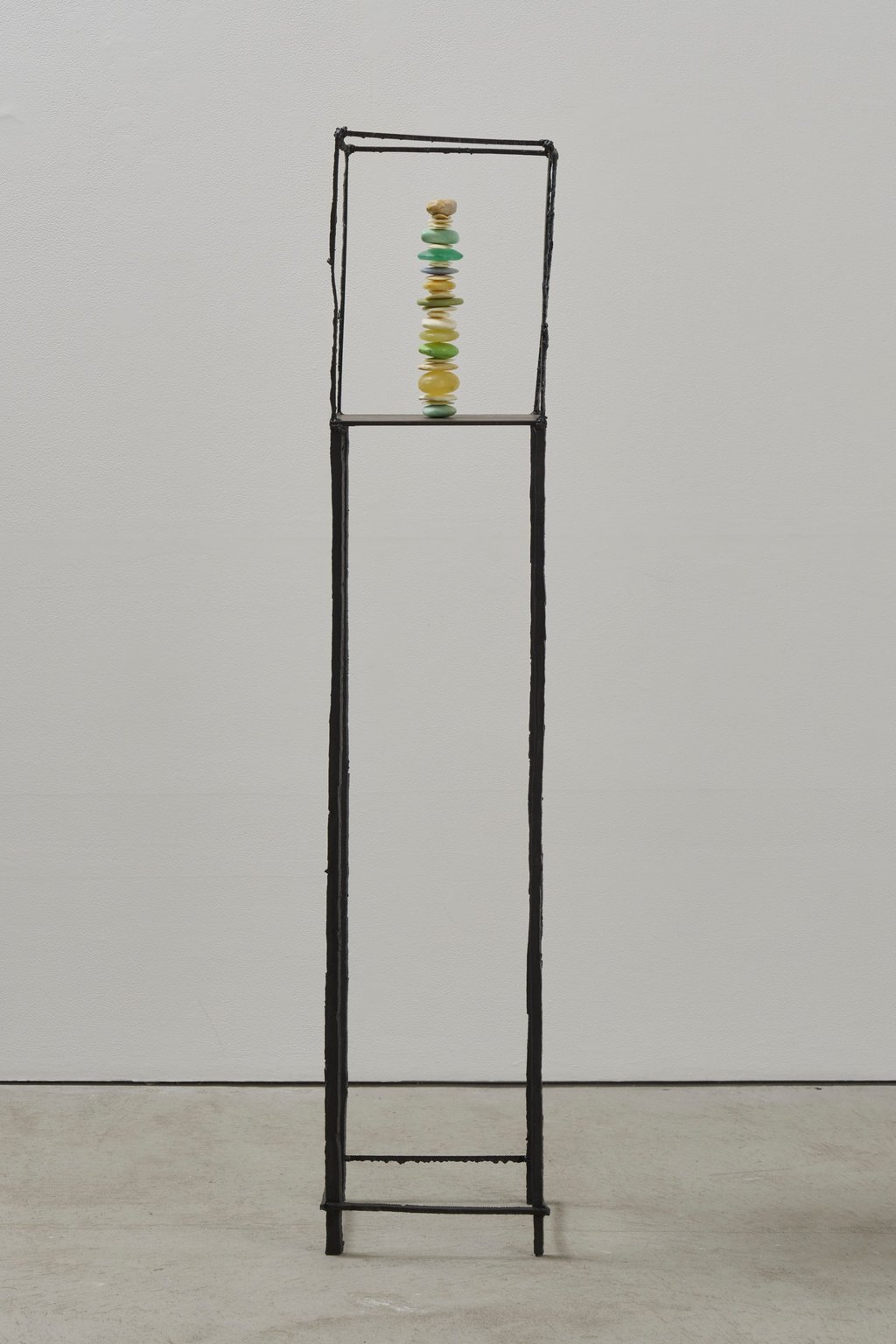
For the fair’s inaugural Echoes sector, Anomaly features the work of Noe Aoki, Kei Imazu and Akiko Kinugawa in a presentation that emphasises the transformative nature of the human body, positing its form as mutable rather than fixed. Aoki’s use of iron distinguishes her geometric, often circular sculptural ensembles. An essential element in the human body, iron formation in Aoki’s work is the result of a laborious process involving fusing and welding industrial iron sheets together. The result is one that questions sculpture as a medium in itself, transforming any space it’s installed in.
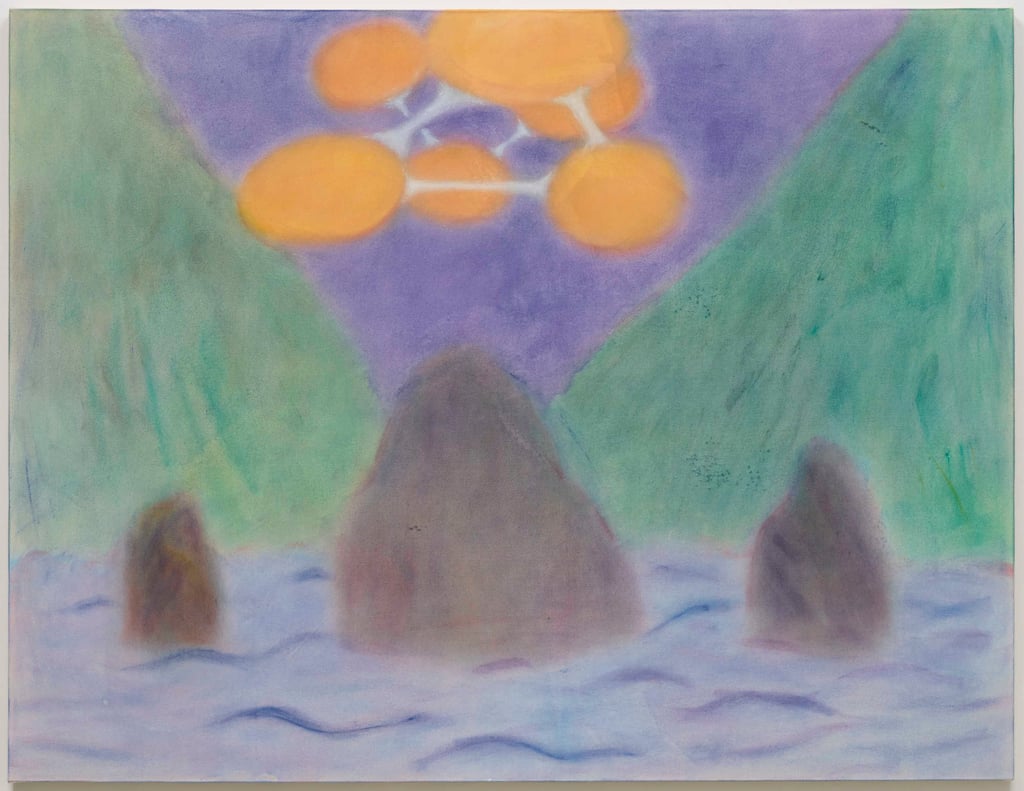
Kinugawa’s ethereal paintings sensitively blur the boundaries between body and landscape, depicting ambiguous life forms. She achieves her signature soft aesthetic through a repetitive process applying multiple thin layers of paint, yielding almost smudged, floating forms that seem to morph into one another.
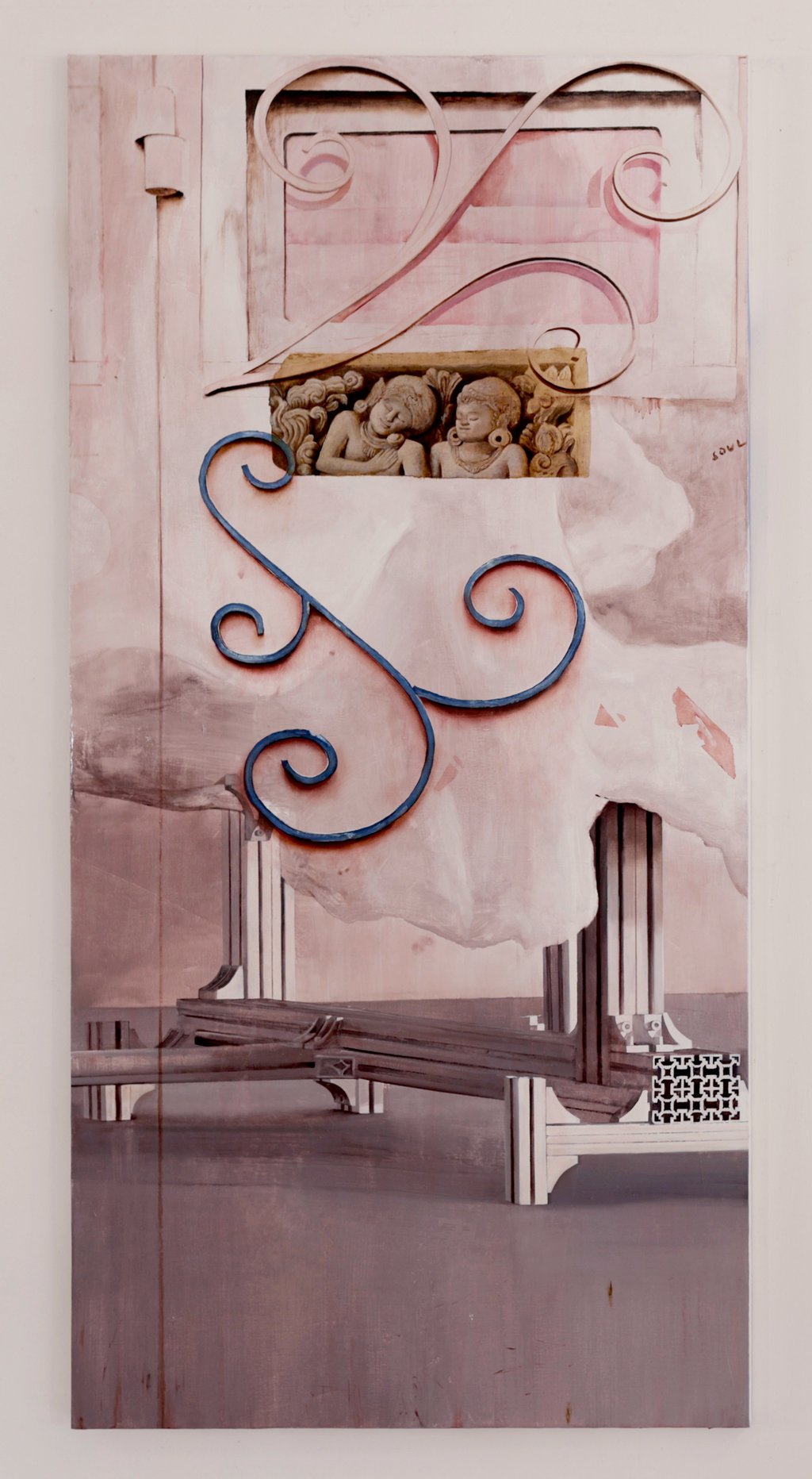
Based in Bandung, Indonesia, Imazu last showed her work in Hong Kong at the White Cube exhibition “Thresholds”, held last autumn. Her paintings are an amalgamation of numerous sources, including archival images, renowned masterpieces, random images on social media, Indonesian mythology, and the local life and history of Southeast Asian nations and regions. She paints the final compilation after editing all the elements on Photoshop and creating a preliminary sketch. The acceleration in technological developments alters human perception, demanding a fundamental reappraisal of how we view art history and visual culture at large.
Roksana Pirouzmand
Although best known for her performance art, LA-based Iranian artist Roksana Pirouzmand works across sculpture and installation, her work often characterised by her personal experiences and narratives, and focus on the human figure. Her newest series of patinated steel panels depicts landscapes with bodies rising from the water, at times transforming into other figures or island-like forms. A new kinetic large-scale ceramic sculpture is the booth’s main feature, while other new works on show are made from metal and ceramic. Forged through experimental techniques, including the application of molten metal to induce thermal shock in the ceramics, and introducing cracks that still manage to hold, the works are a poetic take on the process of transformation.
Andrew Thomas Huang and Ayoung Kim
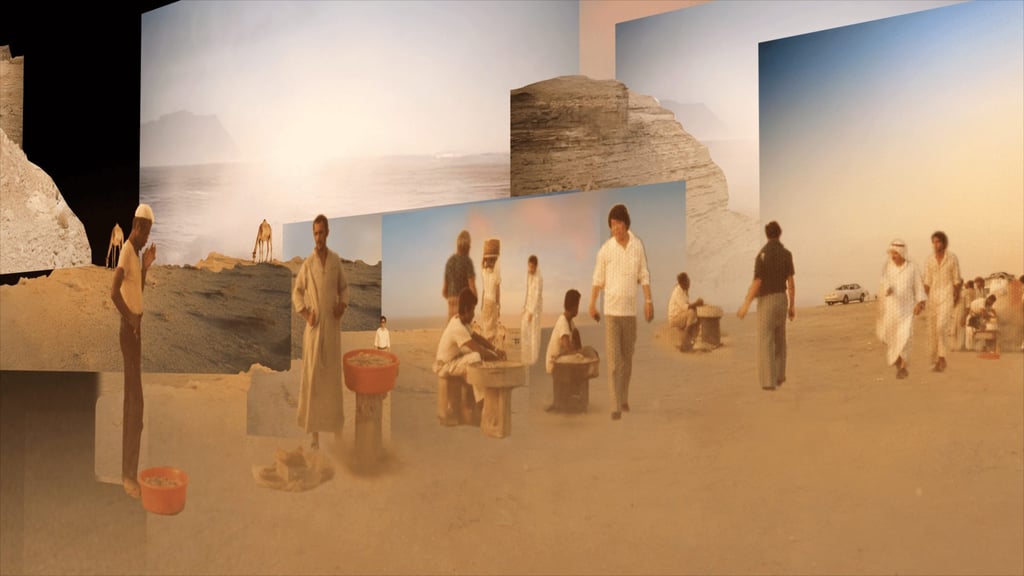
Ayoung Kim is a celebrated artist who combines speculative fiction with historical and personal narrative in sleek filmic visuals. She was a winner of the Chanel Next Prize 2026 and the 2025 LG Guggenheim Award. Her work, Dancer in the Mirror Field, graced the M+ Facade from October to December last year. Kim’s Al-Mather Plot 1991 will be screened at the fair, which uses her research on oil, geopolitics and urban transformation in Riyadh as the work’s central crux.