Nature versus nurture: unlocking the potential of Hong Kong’s children
Research shows that realising a child’s potential depends on a blend of genetics, environment and support

From the classroom to the parent-teacher meeting, when it comes to achievement, one question persists: is a child’s potential written in their genes, or can it be boosted by education? The debate around nature versus nurture is especially pertinent in the context of Hong Kong’s high-stakes academic milieu – one in which students may find themselves on a predetermined track in science or the arts, regardless of their own preferences or natural talents.
Dr Diana Lee, director of the University of Hong Kong’s Bachelor of Education in Early Childhood Education and Special Education programme, agrees: “While genetics may predispose a child to certain aptitudes, research shows that environmental factors – such as quality teaching, early exposure [to enriching experiences] and encouragement – play a pivotal role in developing such potential.” Access is also key, since, for example, “a child with an innate inclination towards art may never flourish without access to materials, guidance or opportunities to practice”.
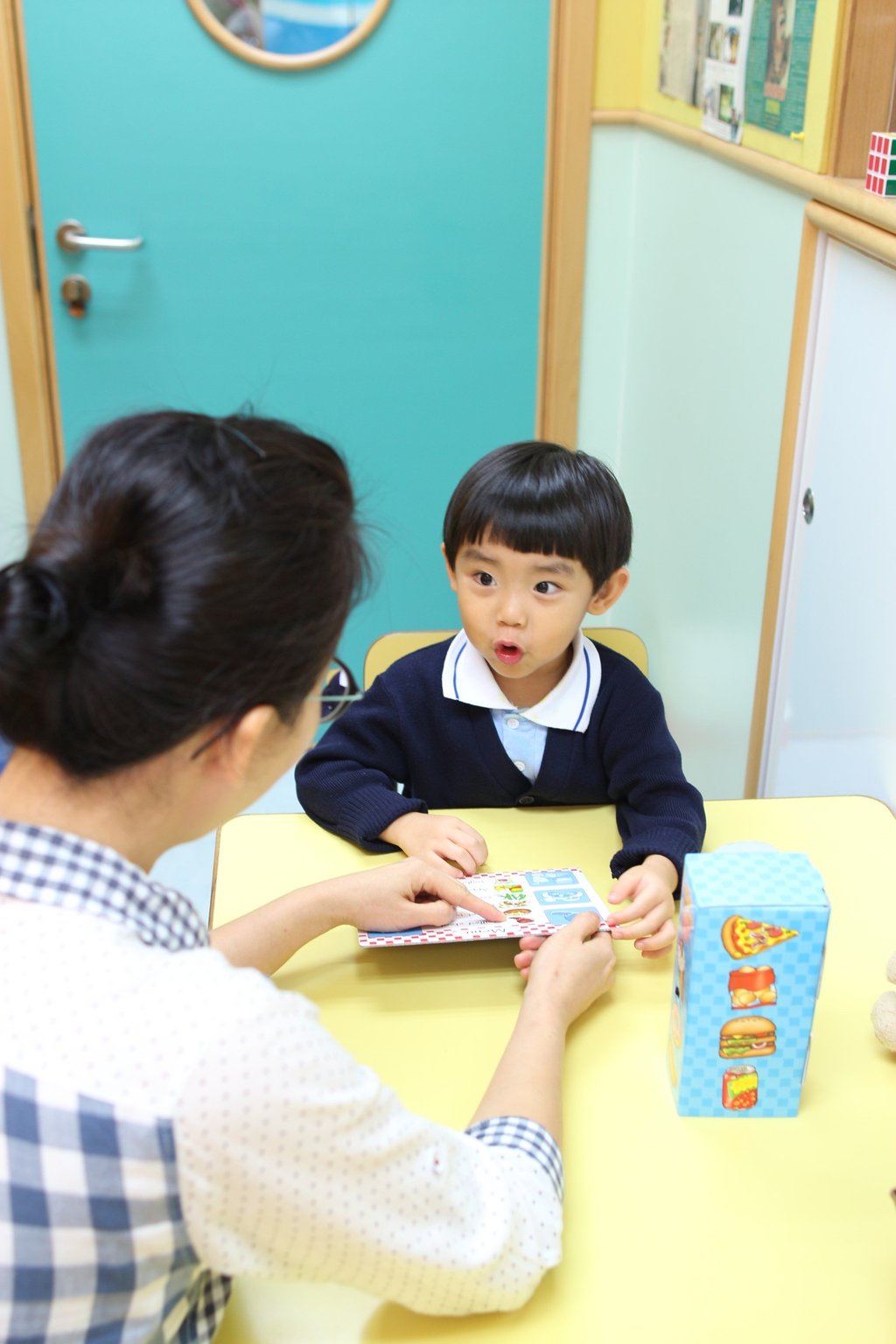
Camille, a mother of two, can relate. She first observed her daughter’s natural aptitude for mathematics in Year 1, but things took a turn when her child began skipping class due to “classroom noise” and the perception that “maths was not a subject typically associated with girls”. On the other hand, her daughter became more interested in science once lessons started being taught outdoors, showing just how much the learning environment matters.