AI literacy is key to Hong Kong’s future supremacy in the global education race
Experts gear up to move into the new era, with campaigns like Just Start set to teach AI skills to 1 million people in the city

This development was part of a broader, decisive national movement. In March, the local government in Beijing mandated new artificial intelligence courses for the city’s primary and secondary school students “in an effort to nurture future-oriented and innovative talent”. Guangdong followed suit a month later with its own educational framework on artificial intelligence education for children. By May, the central government had published two further guidelines to promote AI education nationwide.
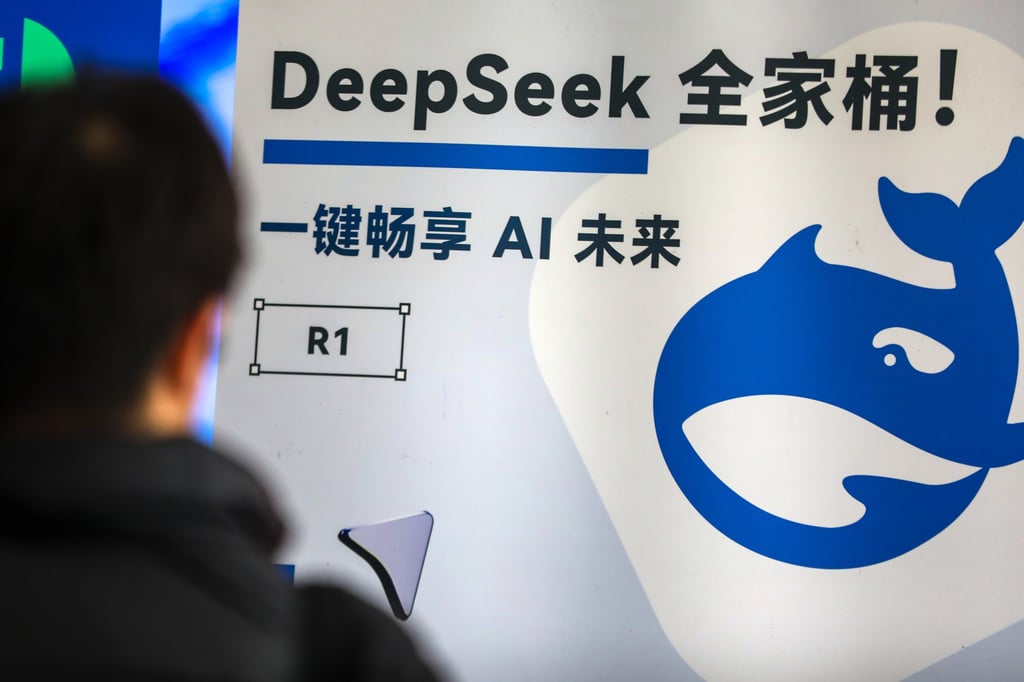
Yet as mainland China races ahead, some in Hong Kong worry that the city is playing catch-up, reacting to global trends rather than leading them, and that this risks leaving its workforce unprepared for an AI-dominated future.
“I’ve received a lot of comments from educators and even some social leaders saying, ‘Hey, tell me, what about Hong Kong?’” says Tommie Lo, founder and CEO of Preface, a “tech-enabling company” that teaches both adults and children subjects like AI and coding. This flurry of concerned inquiries prompted Lo to launch his “Just Start” campaign, which aims to teach AI skills to one million people in the city. Though the government highlights Hong Kong’s 20th place ranking in the International Monetary Fund’s AI Preparedness Index (AIPI), the results present a mixed picture. The city outperforms advanced economies like France and Belgium, but lags behind regional competitors such as Japan, Singapore and South Korea.
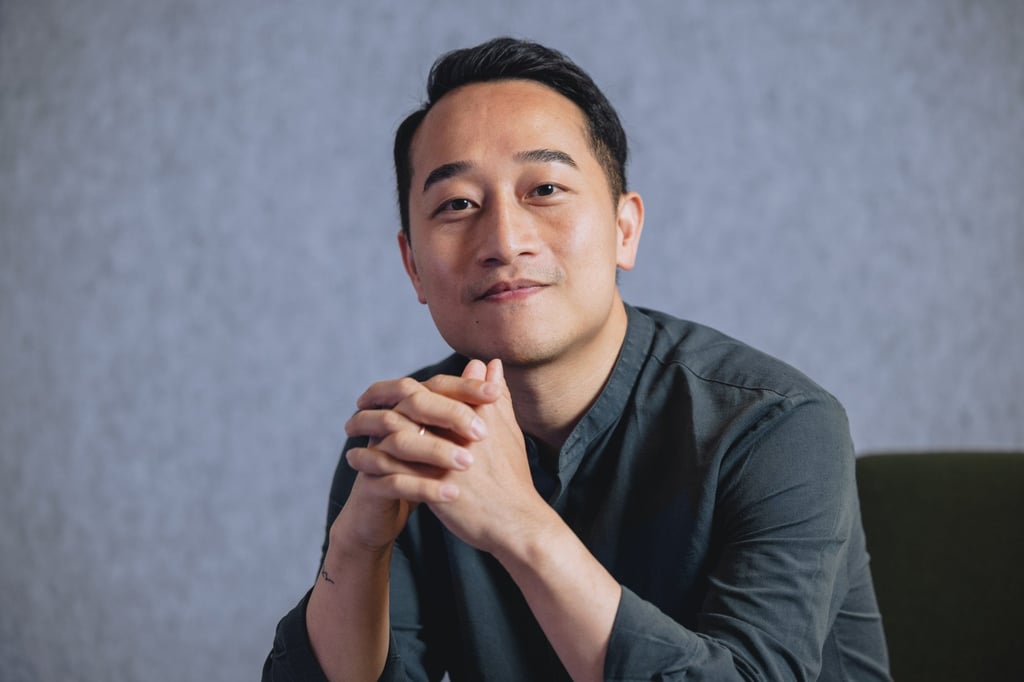
The stakes are high, as AI is not just changing China and Hong Kong, but “all mankind”, according to Lo, who believes the city’s AI readiness is “naturally not the highest”.
For AI expert Rose Luckin, Professor of Learner Centred Design at University College London’s Knowledge Lab, there is no turning back.
“You’ve only got to look at the billions and billions of dollars being invested, not just in building AI tools, but in the infrastructure – the energy generation, the data centres – what’s called the ‘AI industry’, to realise this isn’t going away,” she says.
For both Lo and Luckin, education is the key to navigating this new world – even more so than the latest tech hardware. “It is really important to recognise that success will require more than technology. This is really a people challenge,” Luckin says. She emphasises the crucial difference between merely using AI and truly understanding it. For her, this comes down to AI literacy, which she defines as “the ability to understand, critically evaluate, and effectively use AI tools and systems in daily life and work”.
Education is the most powerful lever to ensure AI works for society,
Luckin points to the biases and factual errors generated by LLMs as a reason why citizens must be taught to be critical of AI. The goal, she says, is to ensure “AI works for your country, not [to the detriment of] the people in your country”, and to prevent people from losing their own agency.
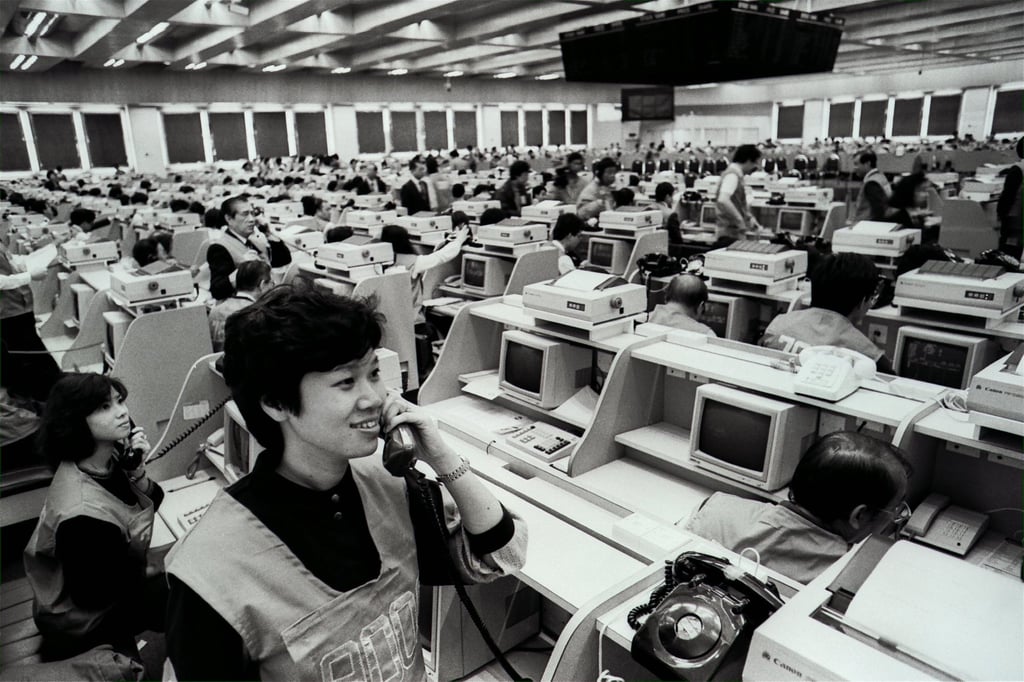
For Hong Kong, a pivot toward AI would be the latest in a long history of economic transformations. The city has successfully reinvented itself before, from a trading port to a manufacturing hub and then a global financial centre. At every step, education has been a critical factor – even its absence has been defining.
“Hong Kong’s industrial growth in the 1950s and 60s often relied on young, uneducated people,” says Dr John Carroll, Principal Lecturer in the University of Hong Kong’s History Department. “Is it a coincidence that compulsory free primary education wasn’t introduced until 1971, compulsory free secondary education only in 1978?”
The city’s shift towards financial services in the 1970s and 80s had much to do with geography and Hong Kong’s location on the fringes of a China that was slowly emerging from isolation. But education played a part too, according to Professor John D. Wong of the University of Hong Kong. “We certainly upgraded our human capital immensely. In the 1970s and 80s, Hong Kong instituted six years and then nine years of compulsory education. Most residents here would have had at least 12 years of pre-university education,” says Wong, who believes Hongkongers continue to place a “very high” value on education.
Despite concerns, the Hong Kong government has not been idle. In 2022, the Innovation, Technology and Industry Bureau published its Hong Kong I&T Development Blueprint, which set clear strategic directions for developing an AI industry. This was followed a year later by the creation of the Hong Kong Generative AI Research and Development Centre (HKGAI), established to pursue R&D on open-source foundation models, including Hong Kong’s own LLM – the city’s answer to ChatGPT and DeepSeek.
Late last year, Cyberport opened the Artificial Intelligence Supercomputing Centre (AISC) to provide around 1,300 petaflops of computing power for AI R&D projects, with plans to increase capacity to 3,000 petaflops by the end of this year. Most recently, the 2025-26 Budget announced that HK$1 billion has been earmarked for the establishment of the Hong Kong Artificial Intelligence Research and Development Institute (AIRDI) to spearhead and support the city’s R&D and industrial application of AI.
“Artificial intelligence is at the core of developing new quality productive forces,” says Tony Wong, Hong Kong’s Commissioner for Digital Policy. “It is a key industry that Hong Kong is committed to developing, and it lends support to the upgrading and transformation of traditional industries … Our efforts are beginning to bear fruit, as the adoption of AI within the community has gained noticeable momentum in recent years.”
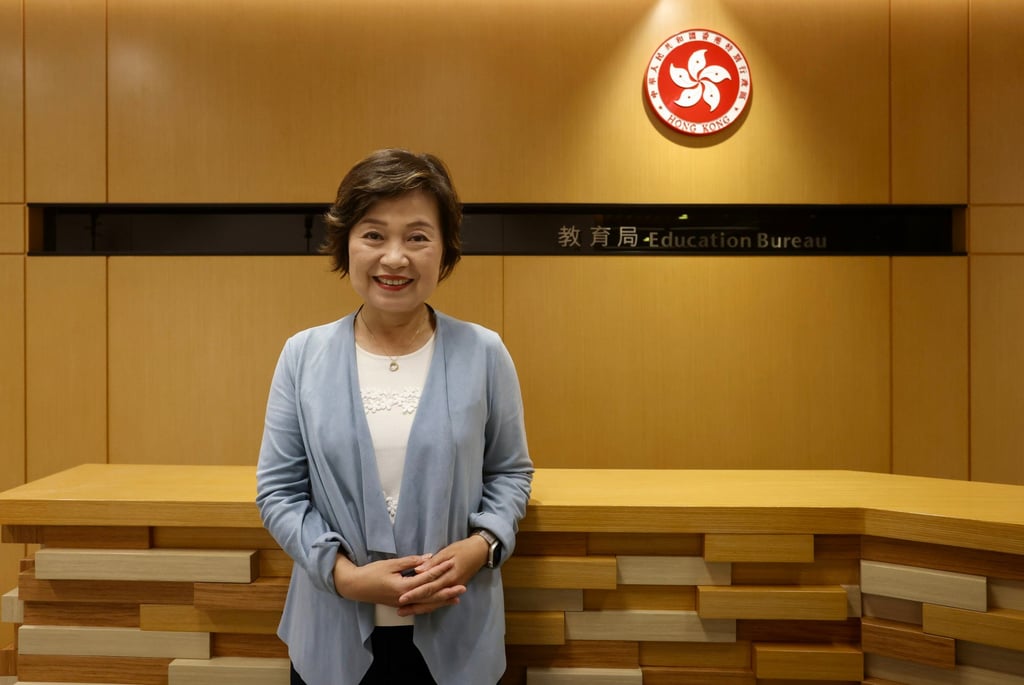
However, many feel that Hong Kong is still reacting to global AI trends rather than leading their implementation. When asked in June whether the local government would follow Beijing’s lead on mandatory classes, the Secretary for Education, Dr Choi Yuk-lin, told the Legislative Council that the Education Bureau would be “stepping up its efforts to promote digital education, including the application and education of artificial intelligence”. For some, the policies announced do not go far enough or fast enough. “Every company will require an AI transformation,” insists Lo, “but 99 per cent of our university degrees have nothing to do with AI or data. How will you be able to get a job when you can’t assist with that transformation?”
Luckin agrees with Lo about the societal changes AI will bring, believing that AI literacy will be essential for work, learning and “being part of society, to be perfectly honest”. She urges greater education in this field now.
“Education is the most powerful lever to ensure AI works for society,” Luckin says. Without it, she warns, “there is a definite risk that the AI will operate on you whether you like it or not because it’s part of so much of what we do, and is already being integrated into systems.”

In contrast to Luckin’s caution, Lo expresses confidence in Hongkongers’ adaptability, believing it means they have not been left behind just yet. He describes them as “crazily agile” and “very hardworking and very bold when we see the future”, traits that have enabled them to navigate past economic transformations. For Lo, the time has come for Hongkongers to fully embrace the future.
“All you need for the first step is courage,” he says. “There are no prerequisites. For instance, people talk about coding, but so long as you can speak or type, you can have AI code for you. AI is actually lowering entrance barriers … Your classroom can be a coffee shop, it can be a McDonald’s table, it can be anywhere. There’re no more limits to where you can learn.”