How Hong Kong schools are reshaping IB programmes to better prepare students
Canadian International School and Hong Kong Academy aim to equip students to thrive in an uncertain future shaped by AI, and increasing environmental and political uncertainty

In today’s rapidly evolving world, the role of education is being redefined. Technological advancements, economic shifts and the rise of artificial intelligence (AI) have presented new challenges – and opportunities – for educators worldwide.
At the heart of this transformation is a shift from conventional academic metrics to a more holistic approach that integrates real-world applications, soft skill development and student agency. Schools are no longer just teaching content: they are teaching students how to think critically, adapt to change and engage meaningfully with the world around them.
Dr Brian Hull, diploma coordinator at Canadian International School of Hong Kong (CDNIS), emphasises how the delivery of the International Baccalaureate (IB) curriculum is central to achieving these goals. He also stresses the importance of teaching students through “concepts”, “content” and “contexts”.
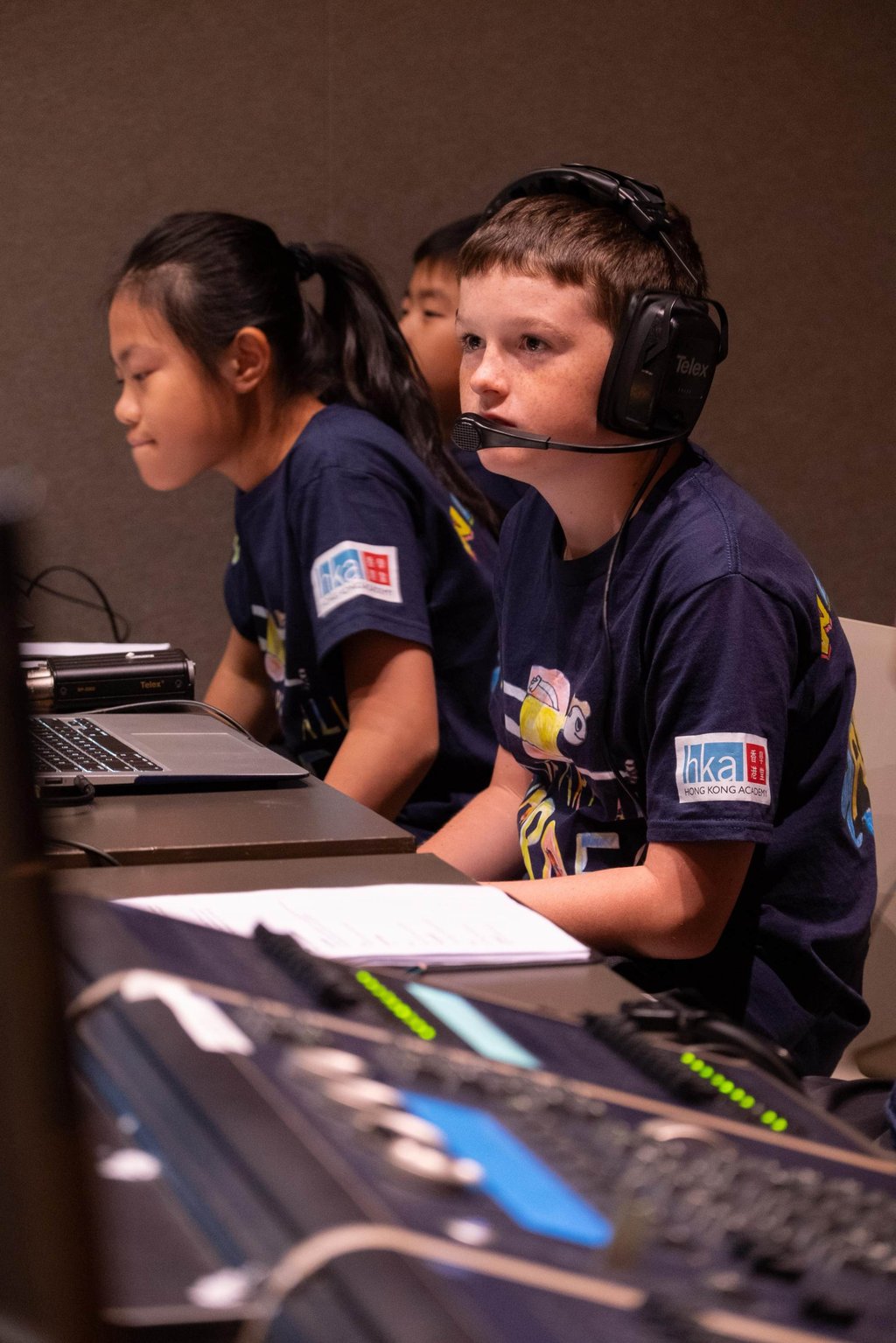
“Through this lens, students are able to look at the big ideas in various subject areas in the context of real-world examples,” he says. This approach encourages students to connect their learning to global issues such as the rise of AI, environmental challenges and political polarisation.