
Data centres to become rising investment class amid Hong Kong’s smart city bid
But there is a shortage in the city of physical structures with the power supply to run these facilities

Hong Kong has the potential to be a regional technology centre and play home to more data centres. Can the availability of space and infrastructure catch up with the demand?
Hong Kong aspires to become a smart city empowered by innovation and technology. As part of those innovation and technology ambitions, the government extended a concessionary scheme originally slated to expire on March 2016. Under the scheme, owners of eligible industrial buildings can apply for a waiver at nil fee to convert parts of industrial buildings to data centre use for the lifetime of the building.
Data centres are set to play a leading role in smart cities as repositories for the massive volumes of data required to be collected, stored and analysed.
As more buildings, internet of things (IoT) and autonomous vehicles collect and share user data to become more interconnected, corporations continue to digitalise information, and e-commerce complements bricks-and-mortar stores and cash payments, the thirst for data storage and processing will only grow. This will mean an increase in the number of data centres and the upgrade of existing facilities to squeeze more processing power out of them.
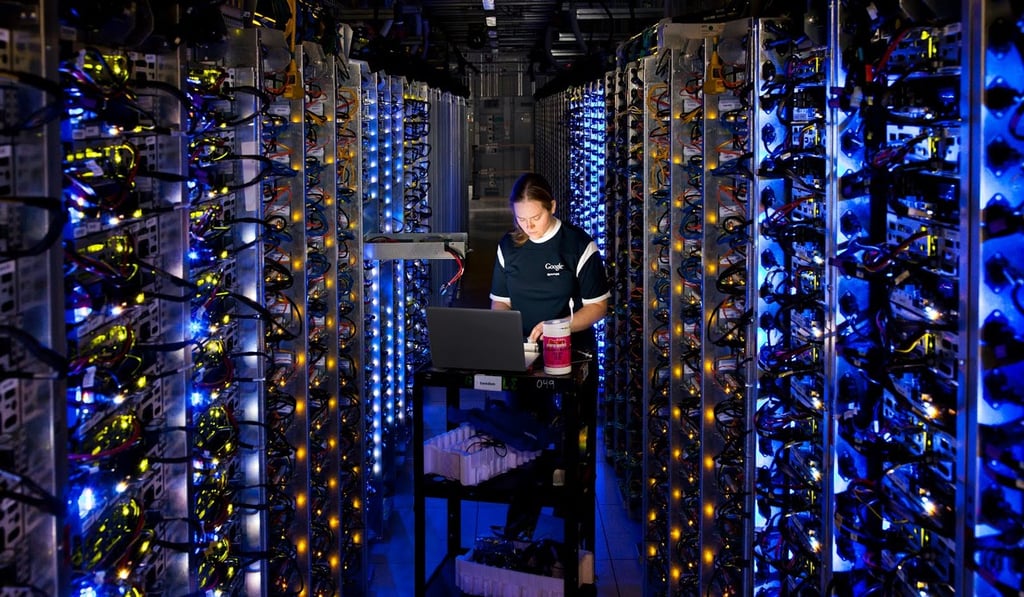
Valuing data centres requires special knowledge and expertise. As an investment class, data centres are new, with little transaction records to go by
As technology continues to be the enabler of traditional and new industries, the demand for data storage facilities will remain strong. Physical structures able to provide the power supply needed to run data centres has been in short supply. These factors would seem to favour data centres as an investment class and support robust valuations. In assessing risk, what drives demand also poses the biggest threat – will the speed at which technology is evolving make data centres redundant or obsolete in the future.