
Opinion: Nano flats spur demand for self-storage facilities

The growing number of “nano flats”, flats with a usable size area under 160 sq ft, is spurring demand for self-storage facilities. However, storage operators have flagged a 30 per cent drop in available space for business in light of tightening warehouse regulations following a fatal fire in June 2016. These new guidelines have created murky waters for self-storage business owners and landlords. While safety is a priority, CBRE urges the government and operators to find a middle ground so that the market demand is not ignored.
There are over 800 self-storage locations managed by about 100 operators across town, according to data from the Fire Department. The Fire Department and the Buildings Department sent warning letters to more than one-third of these operators after a fatal fire took place in a warehouse in Kowloon Bay last year. The letters specified new rules for the fit-out of self-storage warehouses.
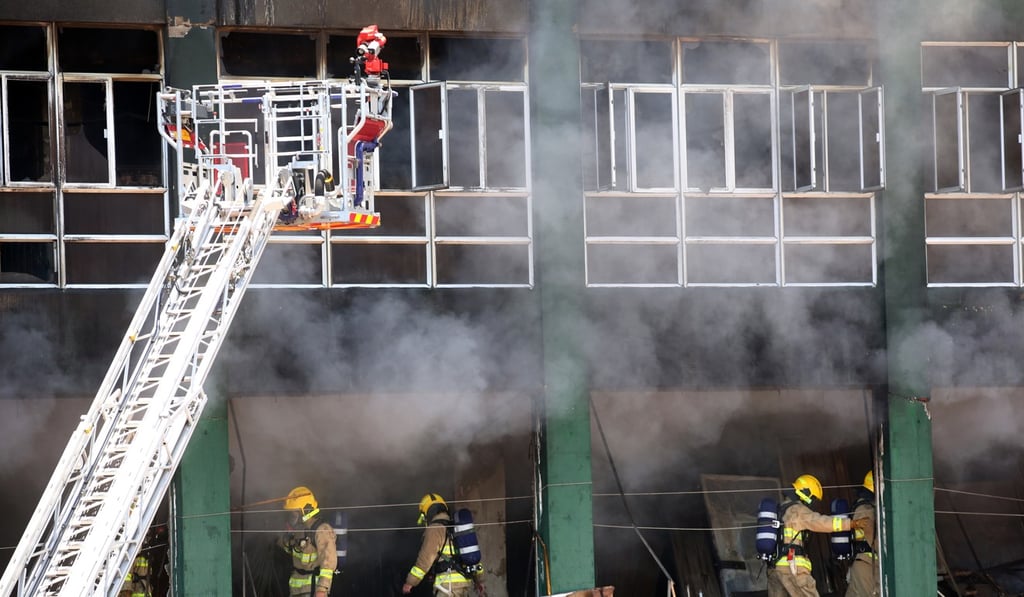
The two most controversial points amongst the new regulations were the requirement for a 2.4-metre corridor between containers, a 1.4 times increase from the existing regulations on warehouses, and a 1:16 window to total floor area ratio.
Based on the new guidelines, about one-third of Hong Kong’s available storage space will be slashed, according to Luigi La Tona, executive director of the Self Storage Association Asia. CBRE predicts that the actual reduction would be more than that as small to medium-sized operators that cannot afford the costs associated with refitting their space will be forced to close down. There have already been various cases of self storage businesses folding. The costs incurred by operators to meet these new regulations will also potentially create a surge in storage rental fees.
There have already been various cases of self storage businesses folding. The costs incurred by operators to meet these new regulations will also potentially create a surge in storage rental fees
Our team at CBRE believe that there are viable solutions that can satisfy the operator and government’s requirements. For example, container doors could be converted into sliding doors so that the corridor space will not be compromised while both doors are open. From our understanding, the Fire Department has increased the corridor dimension from 1 meter to 2.4 meters to create more space for firemen to move between containers in case of an emergency. A sliding door ensures that the firemen’s safety is taken into account without infringing on the self-storage space.