SCMP Advertising+ and IAB HK study shows why every business needs a good story.
- Brands can no longer afford to remain silent, but need to be an active participant in creating the narrative.
- Storytelling stands front and centre, driving resonance and recognition with customers.

When it comes to building a brand, storytelling stands front and centre, driving resonance and recognition with customers. That was one of the key findings in a landmark study conducted by SCMP Advertising+ and the Interactive Advertising Bureau of Hong Kong (IAB HK) on how marketing is a key lever and driver for growth for brands in the region.
Every business needs a story
According to the research published in a white paper titled Unlocking Brand Marketing’s Potential in Asia, brands can no longer afford to remain silent, but need to be an active participant in creating the narrative.
“Stakeholders and audiences are conversing about your business, whether you like it or not,” explained Adrian Warr, vice-chair of APAC practices and sectors & APAC head of employee experience, Edelman.
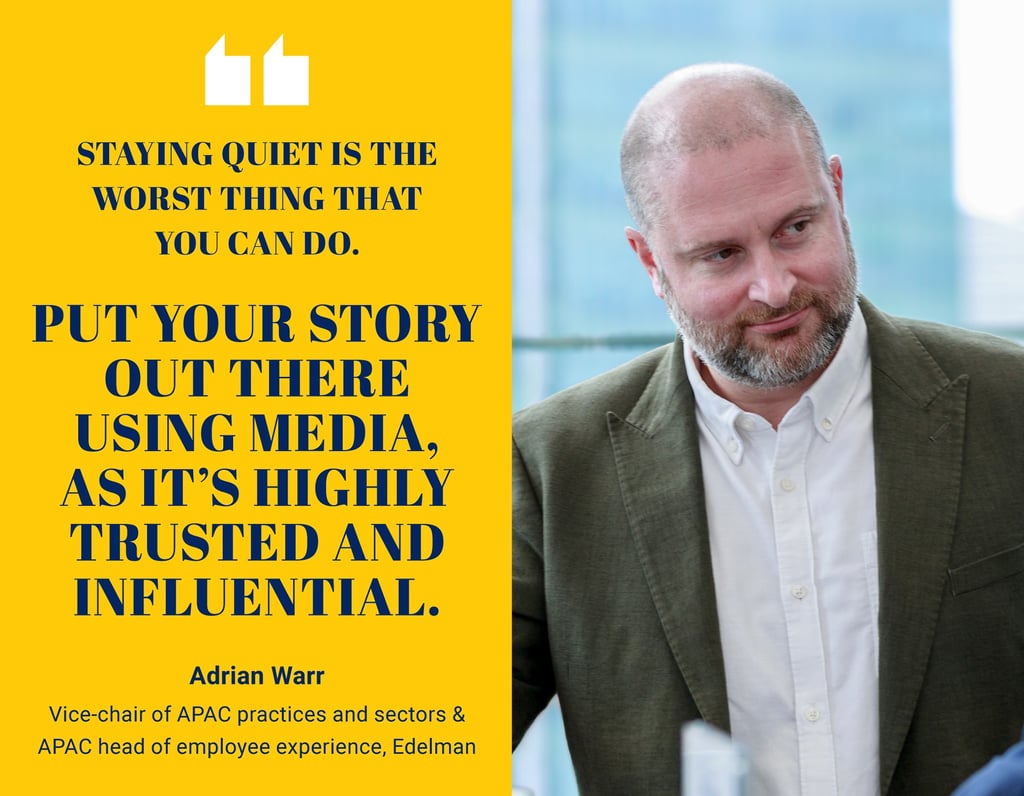
“Staying quiet is the worst thing that you can do. You need to lean in and influence the narrative. Put your story out there using media, as it’s highly trusted and influential,” he added.
A unifying force
Indeed, marketers today agree on the power of storytelling as a unifying force in creating resonance and recognition – especially in the presence of social media and a vibrant digital ecosystem. The white paper research found that, more than ever, marketers understand the need to use storytelling to reach out to their customers and create brand trust.
In fact, according to Brenda Bey, chief marketing officer, GoGoX, creating a memorable brand today very much rests on how marketers tell their story.
“Stories about how we face customer problems together – that’s what creates the recognition that sets us apart,” she said.
And her peers couldn’t agree more.
“There’s nothing better than hearing from someone you trust,” said Papri Dev, vice-president of communications APAC, Tinder. “A brand is like meeting a person; if I meet you today and you’re a completely different person the next time we meet, I won’t trust you.”

Indeed, what the research showed is that brands today must be based on fundamental values that don’t change. To resonate with its audience, a brand needs to stay culturally relevant, constantly evolving as its audience and demographics change. This was one of the highlights from the study, which comprised a series of round-table discussions with chief marketing officer-level executives from major brands across Singapore and Hong Kong, as well as a questionnaire completed by IAB HK’s membership database of marketers.
Creating engaging stories
Storytelling starts with having a customer-centric mindset that is focused on the customer’s interaction and experiences. It’s about humanising the brand and finding a way to connect with audiences.
According to Cindy Chee, communications director (Hong Kong & Macau) at Cartier, post-Covid real-world experiences are back. The brand recently held the Cartier & Women exhibition at the Hong Kong Palace Museum and successfully educated and inspired the market on the heritage and values of the maison.
“When it comes to finding a partner, the organisation or spokesperson that a brand chooses to partner with speaks volumes about who the brand is and what those values are,” says Hilda Chan, head of marketing at Hong Kong Science and Technology Parks. “This is especially true in the world of start-ups, where it can go a long way to building trust,” adds Suren Rastogi, head of marketing at Finbots.ai. “Without our partnerships, it would be difficult to build the brand we need to get people in the door,” he explained.
But brands must choose their partners wisely, marketers caution. It is important that brands select a partner whose values align with theirs.

Then there are governments which are able to influence the story and the changes it brings. In fact, research from Edelman has shown that people are three times more likely to feel there will be effective change when governments and businesses work together, said Warr.
Regardless of the method of engagement, one thing is clear among the marketers and that is brands must remain an active participant in the conversation.
“If you’ve got customers and you’ve got stakeholders, then you need to be engaged in brands and get your version of the story out there,” said Paul Phillips, strategy & insights director, South China Morning Post, who led the research.
“Brand is no longer something that is thought up in a boardroom. It’s the sum of conversations that people are having about your business, so it’s important to lean in and shape that conversation.”