Shanghai Tang makes life a party … again
- The world’s most iconic Chinese luxury brand is making waves as consumers indulge anew.

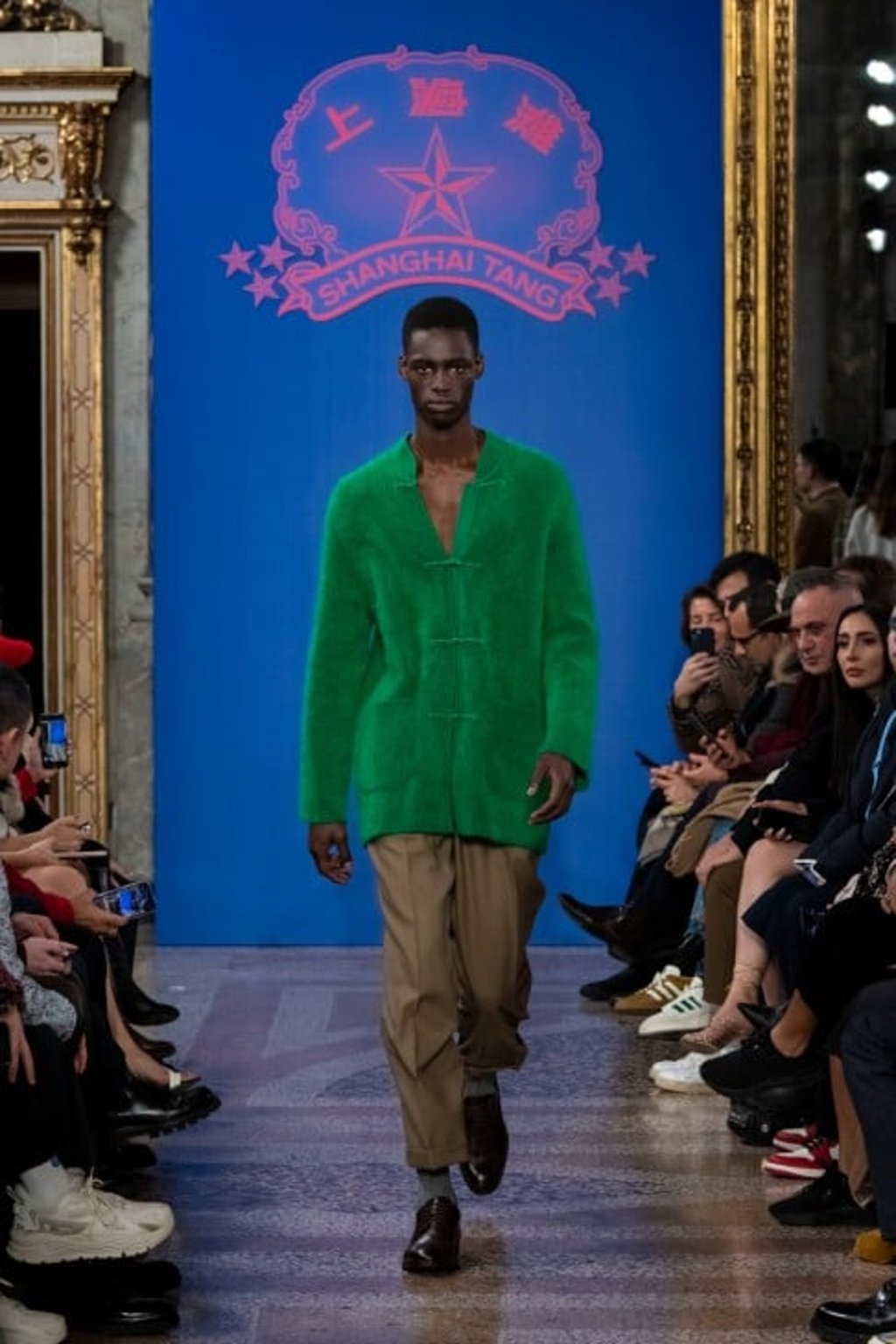
On the runways of Milan fashion week last month, perhaps unexpectedly, the hottest ticket in town was at Palazzo Serbelloni, where Shanghai Tang, the most globally recognised luxury brand to emerge from China, promised an evening of “reunion.”
As the lights dimmed, China’s most celebrated violinist, Mengla Huang, began to play Paganini’s “Nel cor più non mi sento”. The stage came to life with a menswear collection that made an emphatic statement that China is back.
The hype surrounding Shanghai Tang’s show in Milan suggests a resurgence of the late Sir David Tang’s ethos. Through the sheer force of his personality, the larger-than-life Hong Kong bon vivant made Chinese style chic around the world in the heady 1990s with his membership-only China Club and the legendary Shanghai Tang boutique. Opened in 1991 and 1994, respectively, both places drew inspiration from the glittering lifestyle and aesthetics of 1930s Shanghai.
By hobnobbing with royalty and the rich and famous, the flamboyant Tang cultivated a loyal celebrity following that included the late Princess Diana, Kate Moss and Gong Li, to name a few. Tang stoked a passion for the brand, with the traditional qipao and the five-button Tang jacket in unconventional, eye-popping bright acid colours. Shanghai Tang’s style quickly found favour, with the jet-setting beau monde aspiring to the glamour of the lovelorn Maggie Cheung in Wong Kar-wai’s cinematic masterpiece, In the Mood for Love. Tang’s witty then-motto, “Proudly Made by Chinese”, celebrated its origins audaciously, with a dash of humour and irreverence.
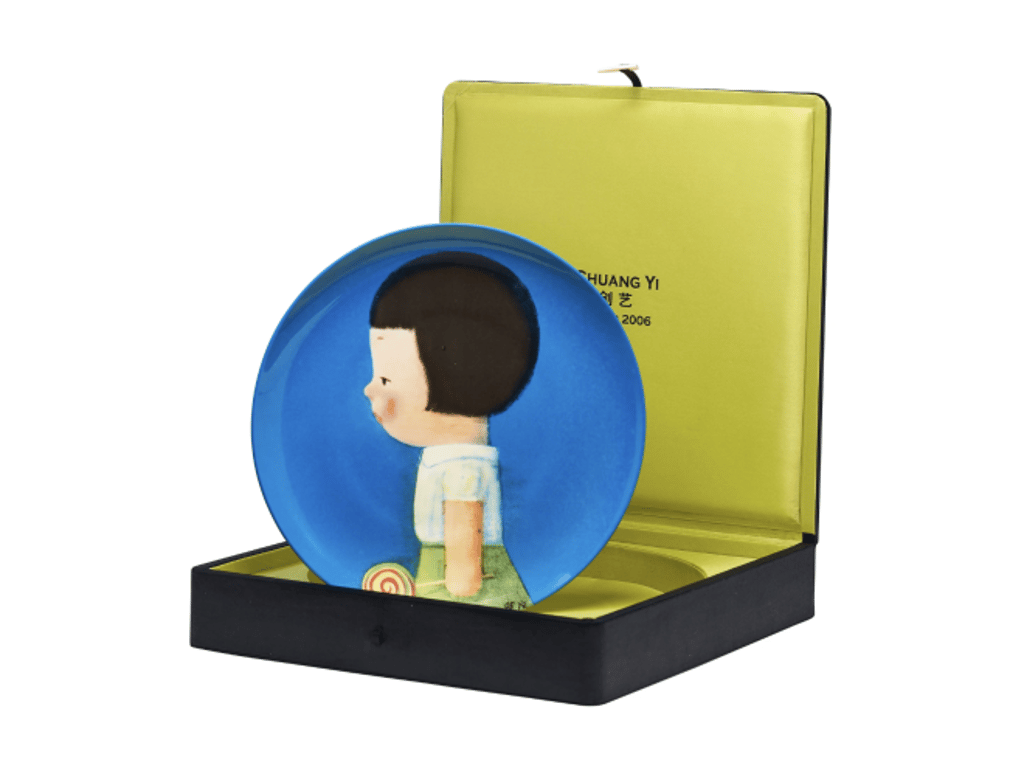
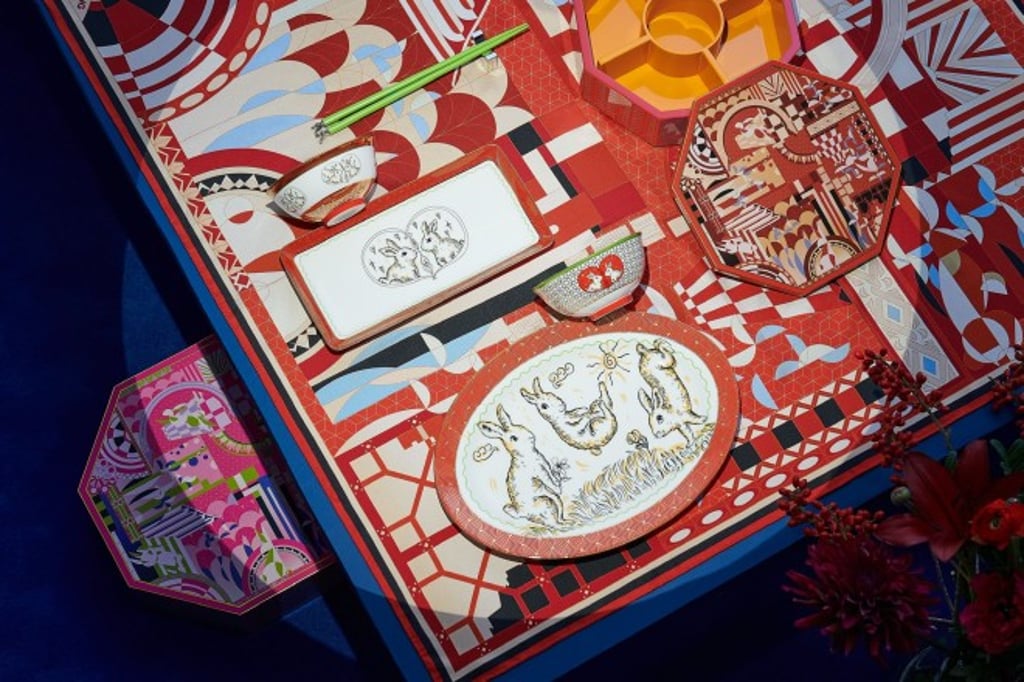
Shanghai Tang also became inextricably linked to a growing interest in Chinese contemporary art. Its decorative homewares, often crafted in partnership with young, lesser-known artists, became de rigueur gifts. Years later, many frequently appear in auctions at houses like Sotheby’s as their artisans have risen in prominence.
A Chinese homecoming
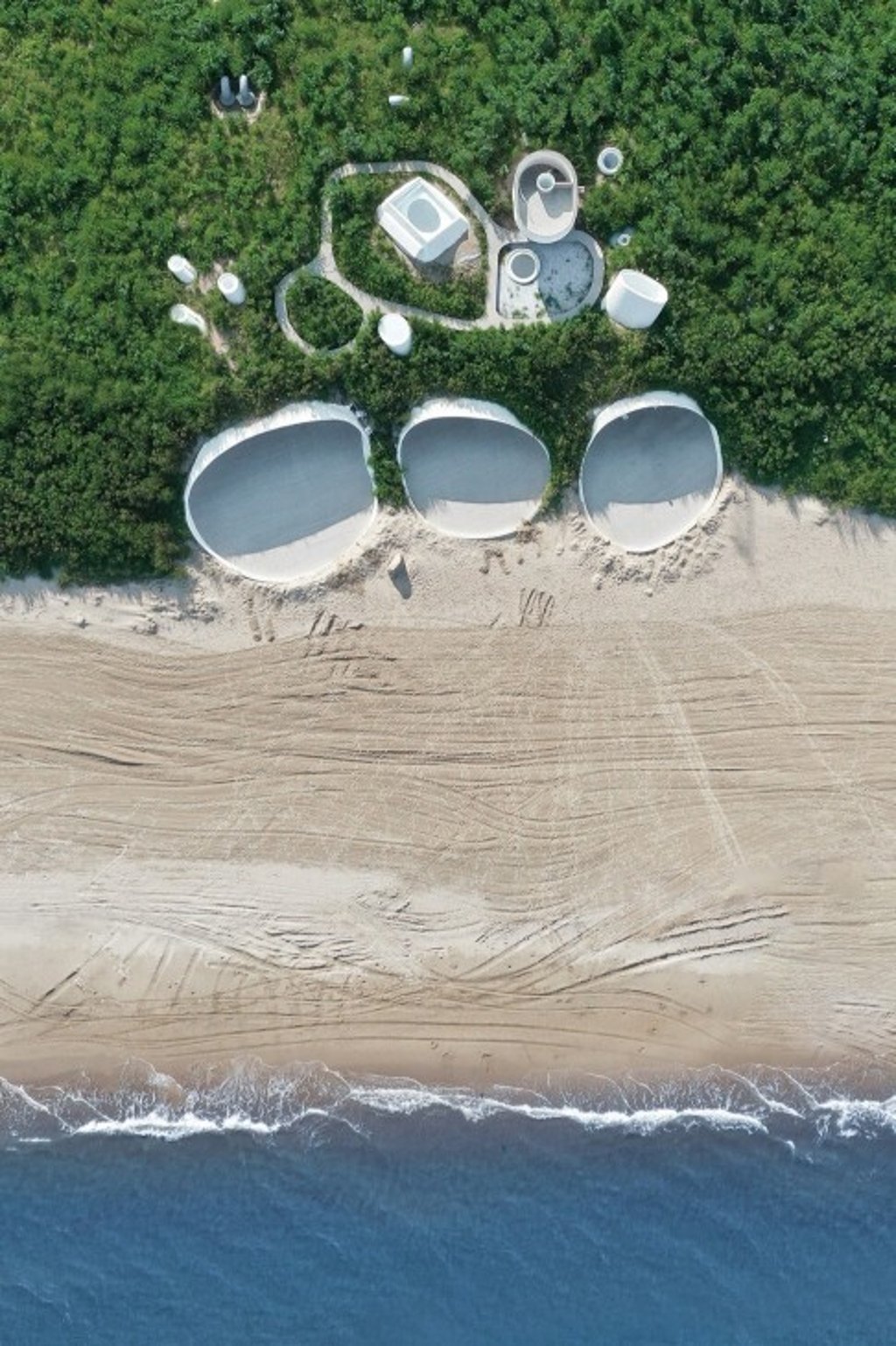
Twenty nine years on, during which its fortunes rose and fell under owners Swiss luxury conglomerate Richemont Group and Italian Alessandro Bastagli, Shanghai Tang came once again under Chinese ownership. High-profile Chinese entrepreneurs formed UTAN Group and quietly began to make a few striking deals. First up was acquiring the UCCA, China’s leading contemporary art museum, and transforming it into one of the world’s most-visited by running the largest-ever Chinese retrospectives of Picasso, Warhol, and more. New museums have followed, like UCCA Edge in Shanghai, and, stunningly, UCCA Dune in Beidaihe, one of the most photographed buildings in China referred to by the Economist as the museum “buried on a Chinese beach.”
Next, UTAN acquired Shanghai Tang, promising a transformation to bring the brand closer to its Chinese contemporary art-influenced heritage with a hefty dose of Chinese youth culture. UTAN also directed Shanghai Tang to bring back its core spirit by featuring menswear in classically-vivid colours, and featuring the brand’s original logo with an updated five-pointed star to reflect its Chinese cultural capital. Meanwhile, the brand’s new motto, “Make Life a Party”, is designed to capture Tang’s playful and eccentric spirit.
Newfound Chinese self-confidence
The bold direction that UTAN is taking with Shanghai Tang is not surprising, as China chic or “guochao”, has been trending over the past few years. Chinese consumers, especially Gen-Z’ers, are moving away from purely Western luxury brands towards more authentic offerings that strongly reflect Chinese identity and individuality, and, in Shanghai Tang’s case, the best of Chinese contemporary art and design. Shanghai Tang’s approach also mirrors the country’s vision of promoting its “cultural confidence”, capturing the zeitgeist of Chinese chic and expert craftsmanship.
The resurgence is becoming increasingly obvious. Tang jackets and qipao, reinterpreted by Shanghai Tang for daily wear, are becoming part of the everyday wardrobe of Chinese celebrities and entrepreneurs, with more getting on board the trend. At the World Economic Forum in Davos in January, the CEO of Yum China Holdings, Joey Wat, made an impact dressed in Shanghai Tang, as did Mariano DiVaio, renowned Italian model and actor, in Milan. They join numerous global celebrities who have long been fans.
Bringing contemporary Chinese art to the fore
As the brand continues to evolve, one thing is clear – art is inextricably linked to Shanghai Tang’s DNA. Tang, an avid collector, was pivotal in introducing contemporary Chinese art to the world, starting with the ’85 New Wave Movement, which coincidentally later became the subject of one of the UCCA’s most celebrated exhibitions.
With China rapidly normalising post-Covid, and the pent-up demand for luxuries and indulgences becoming increasingly evident, Shanghai Tang’s blend of luxury, fashion and art seems once again on trend. Moreover, the message the group is sending to the world is clear – China is back, Shanghai Tang is back, and contemporary Chinese culture is here to stay as a leading force on the world stage.