How Hong Kong can bounce back from latest surge in Covid-19 cases, says ExCo convenor Bernard Chan
- Businessman and politician believes improved vaccination rate among residents will enable city to reopen to the world later this year
- He tells ‘Friday Beyond Spotlights’ television talk show he is confident Hong Kong will continue to add value to China beyond 2047

[Sponsored article]
The willingness of Hong Kong residents to follow the government’s coordinated Covid-19 efforts will be the key to tackling the spread of the coronavirus disease, says Executive Council convenor Bernard Chan.
He commented on the large proportion of people living in the city who have downloaded the government’s Leave Home Safe Covid-19 mobile app during today’s television talk show, Friday Beyond Spotlights, shown on the Hong Kong International Business Channel.
Last month, the government said the contact-tracing tool had been downloaded 7.5 million times since it was launched in November 2020.
“I think people realise that this is the only solution to help us to trace down to the source of the virus,” the politician said.
Although the wearing of masks remains a hotly debated topic in many parts of the world, there is also little resistance to the requirement in Hong Kong.
“Hong Kong people, generally speaking, are happy to wear a mask because it protects them,” he said.
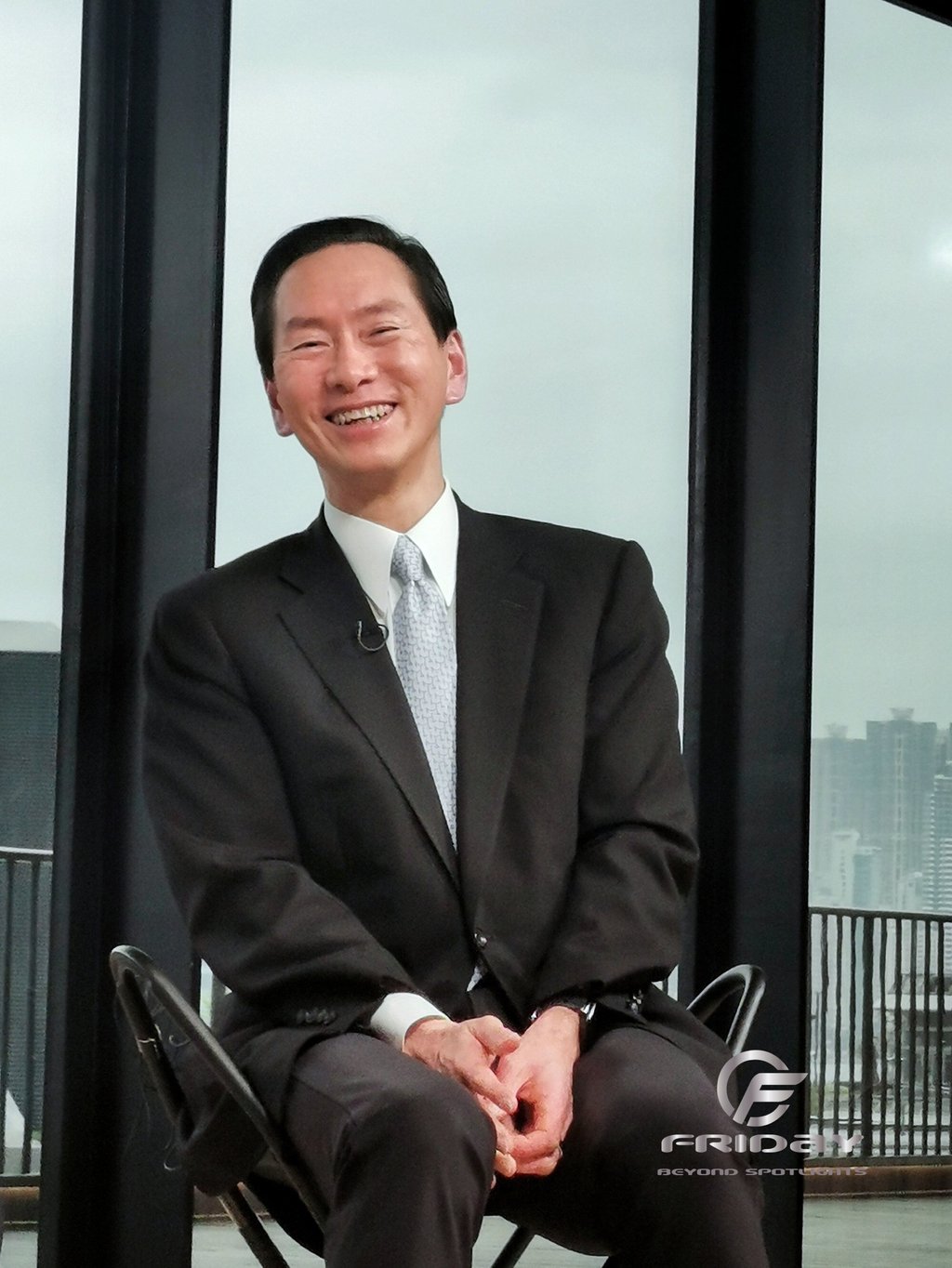
As Hong Kong battles a rising fifth wave of Covid-19 cases in the city, the government remains resolute in its efforts to contain the spread of the disease.
Starting from February 24, a vaccine pass arrangement, which has already applied to certain catering premises, will be fully implemented. This will mean that all customers aged 12 or older – except those with a valid vaccination medical exemption certificate – must have received at least one dose of Covid-19 vaccine before entering a range of food and leisure premises, including shopping malls.
A new version of the Leave Home Safe app, which was available to download on January 27, includes a new function allowing users to upload their vaccination records.
Chan is a prominent Hong Kong political figure, who represented the insurance constituency in the Legislative Council from 1998 to 2008, and has served on ExCo since 2017 following his appointment by Hong Kong Chief Executive Carrie Lam. He has also been a Hong Kong deputy to the National People’s Congress since 2008.
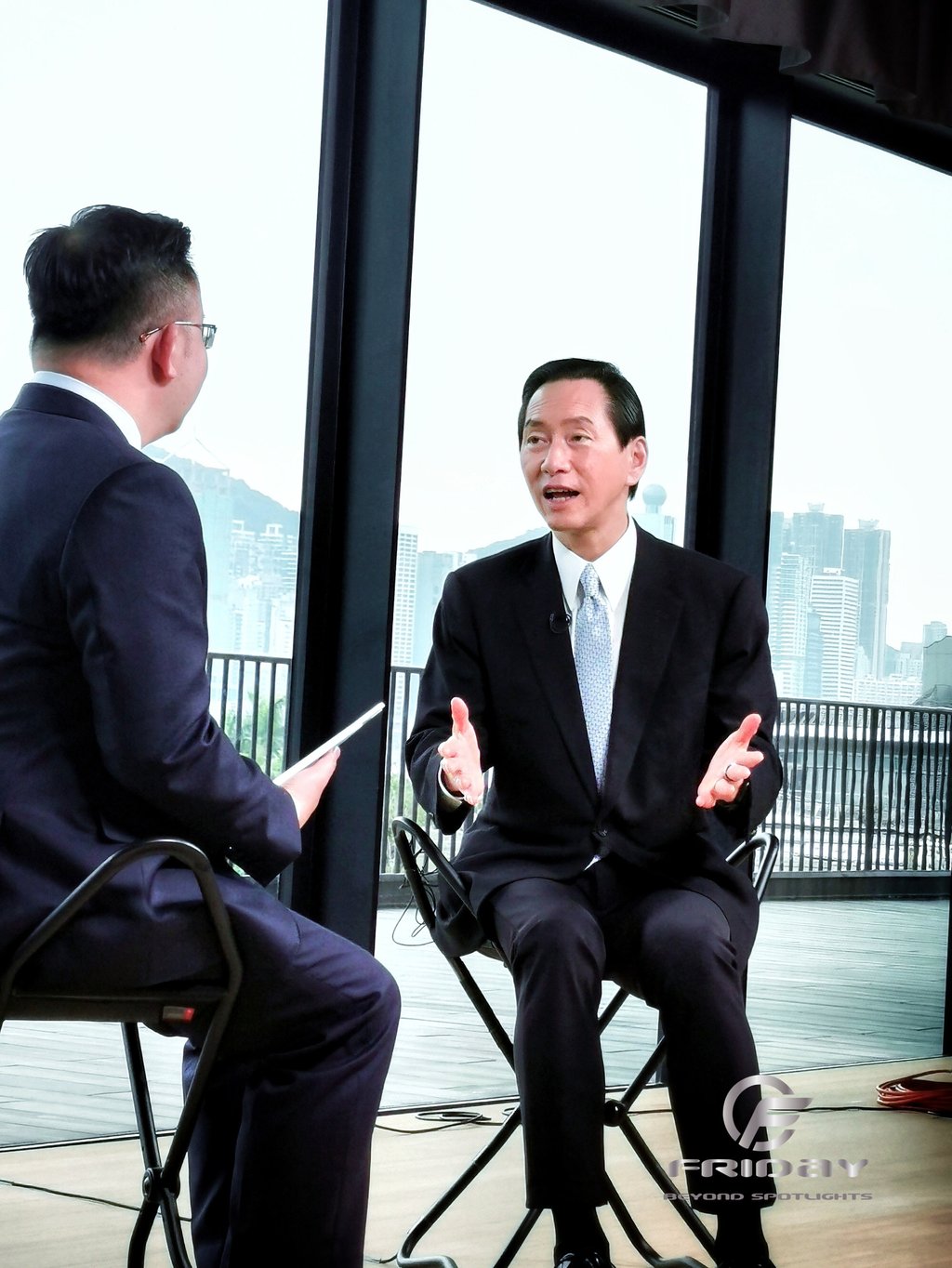
He admitted during the show that without the benefit of its traditional core strength of ease of travel, Hong Kong is suffering as an international business city.
“There’s a pocket of Hong Kong [people], the very international side of Hong Kong, that needs to travel for business, even for family reunions,” Chan said. “They can’t deal with the quarantine that we require.”
Except for a limited number of exemptions, all travellers arriving in Hong Kong – in addition to showing the required vaccination record and Covid-19 test result – are subject to 14 days of compulsory quarantine at a government-designated facility.
“If we want to open up back to the world, we must make sure that the city, the people of Hong Kong are fully protected,” Chan said.
His views on the current situation may have been shaped partly by his own long battle with health issues during his years studying studio art at university, when he faced three coronary bypass operations, he said. “I was very sick, so I spent pretty much every other semester in the hospital… for all sorts of operations – three bypass operations and a number of other procedures.”
However, he said he believes Hong Kong’s long-term prospects remain bright, especially since the city has one of the biggest and fastest-growing business markets in the world right on its doorstep.
“In the history of Hong Kong, [it] has always added value to China at different times,” he said. “China has morphed itself out from [being] … a very poor country to now the second largest economy in the world.
“People should not even associate [the year] 2047 with anything anymore. The [more important question] is how can Hong Kong take advantage of the ‘[one country,] two systems’ to add value?”
He stressed that the growing 300 to 400-million-strong middle class population living in the Guangdong-Hong Kong-Macau Greater Bay Area presents a huge opportunity for the city.
“That [is a] middle class that’s bigger even than the [population of the] country of the United States,” he said.
Business aside, Chan said Hong Kong has also become home to a thriving arts and culture scene.
“Hong Kong used to be all about work,” he said. “Now arts and culture is going to be a huge advantage of Hong Kong, with the West Kowloon Cultural District [arts development],”
“The M+ Museum, which is a contemporary art museum, [is] probably the best in the region. We have the Palace Museum to be opened in the middle of this year. We have a lot of exciting offerings.”
Chan is chairman of the Palace Museum and a member of the board of the West Kowloon Cultural District.
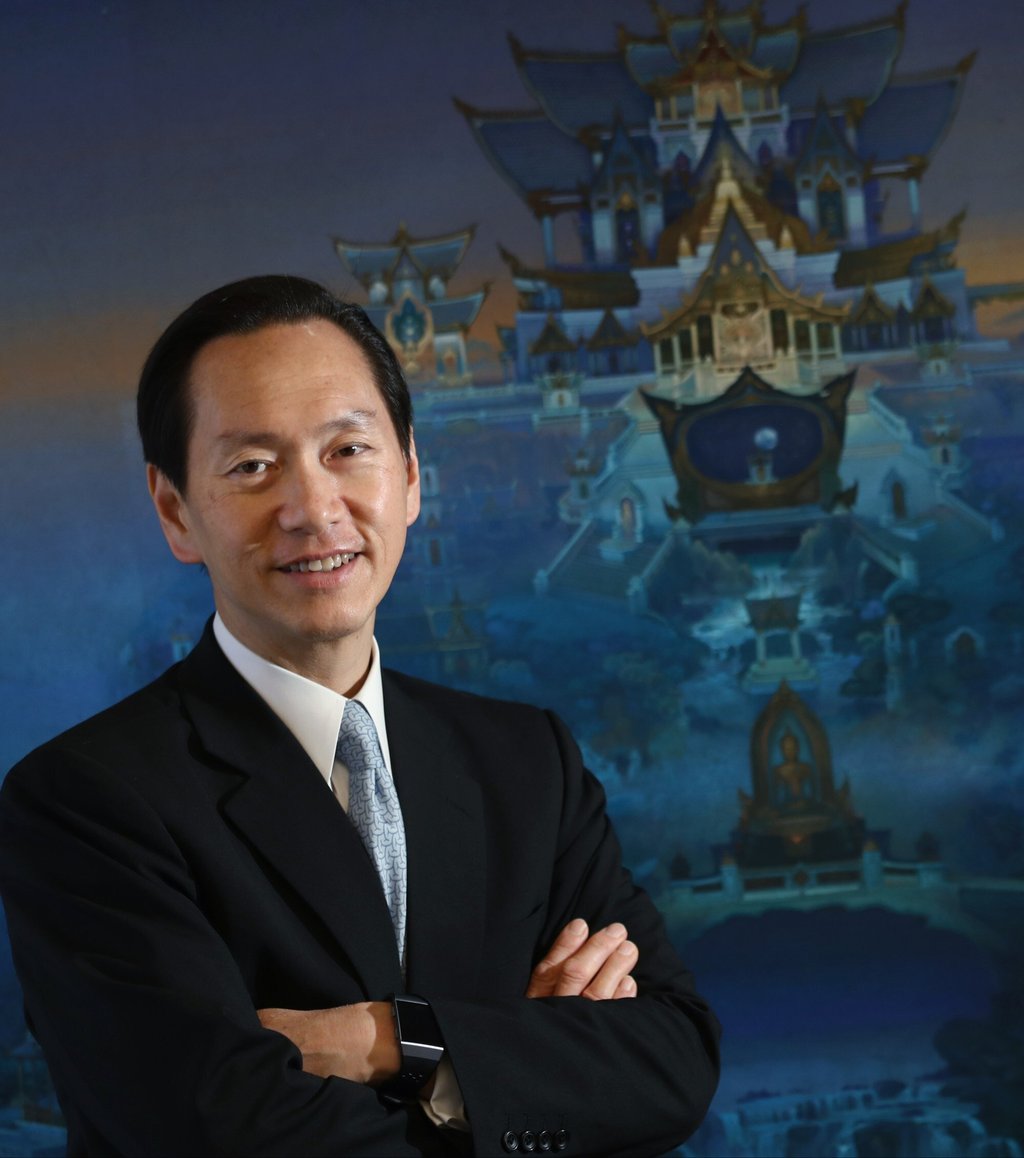
Just as he stayed positive while overcoming his health issues – and remains an enthusiastic participant of swimming and volleyball – Chan remains positive about Hong Kong’s future.
Earlier this month, he expressed his optimism that Hong Kong will reopen this year – hopefully with a “fully vaccinated community” and better knowledge of how to deal with the Omicron variant of Covid-19, he said.
“I always try to see things in a very positive way. I hope 2022 will be a new year for Hong Kong, that we can all recover from this Covid pandemic.”
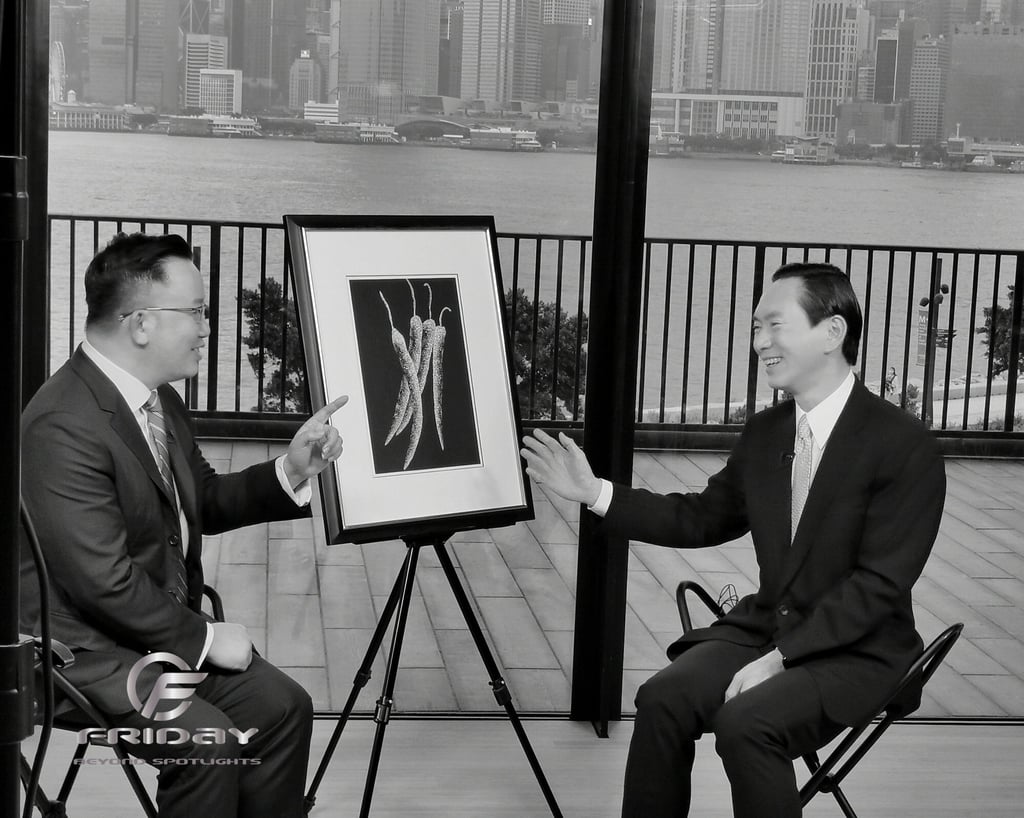
To hear more from Chan as he discusses how his health issues led him to study art and become a life-long painter, how he does his own household chores instead of hiring a helper, his Thai connections, love of chillies and his plans for Hong Kong as a businessman, click the video links for the full interview.