How Hong Kong can – and should – raise its game to restore status as a major global financial centre
- Business leaders at the city’s non-profit think tank, Better Hong Kong Foundation, say there are plenty of reasons for optimism
- Council members John Lee and Catherine Leung both believe the city can eclipse Asian rivals by rekindling its famous can-do spirit

[Sponsored article]
After the scares and setbacks of the past three years, the official line is that Hong Kong is now primed and poised to bounce back. The economy is revving up, the city’s doors are open again to welcome tourists and traders and it’s all systems go for business and investment.
Prominent members of the Better Hong Kong Foundation (BHKF), a non-profit think tank formed by the city’s business and community leaders, see plenty of reasons for optimism.
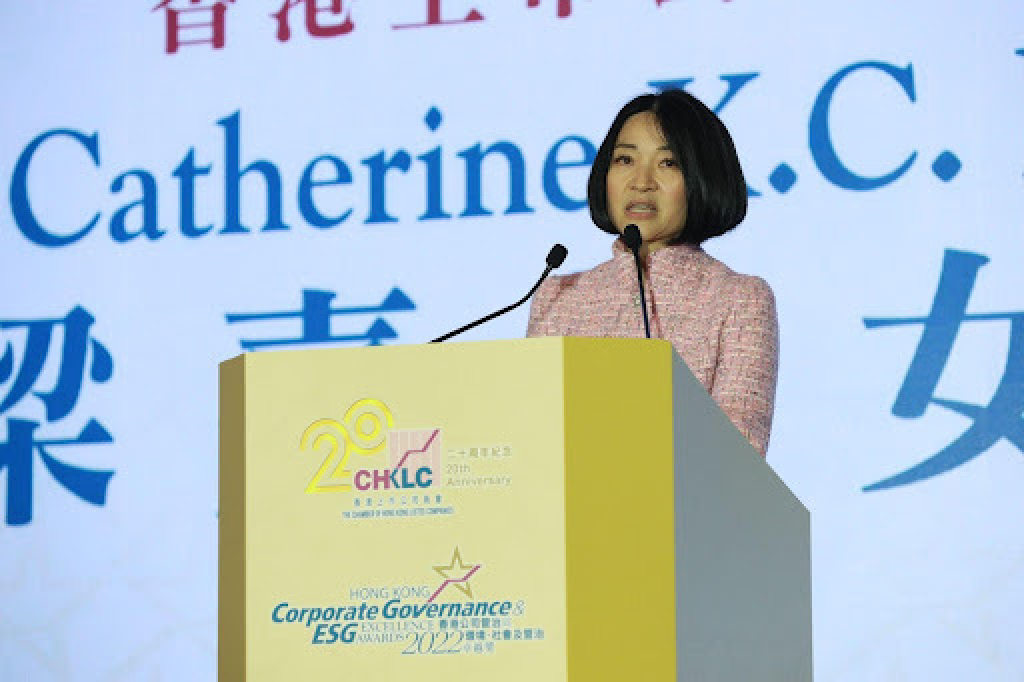
John Lee, vice-chairman and head of Greater China for global banking at investment bank UBS, and Catherine Leung, co-founder and partner at MizMaa Ventures, a venture capital firm which has close links with Israel’s tech start-up scene, are both BHKF’s council members. They have wide-ranging views about what is required to enhance the city’s competitiveness and drive growth.
Leung is also the chairperson of the Chamber of Hong Kong Listed Companies, whose membership includes 240 companies listed on the main board and Growth Enterprise Market board of the Hong Kong stock exchange.
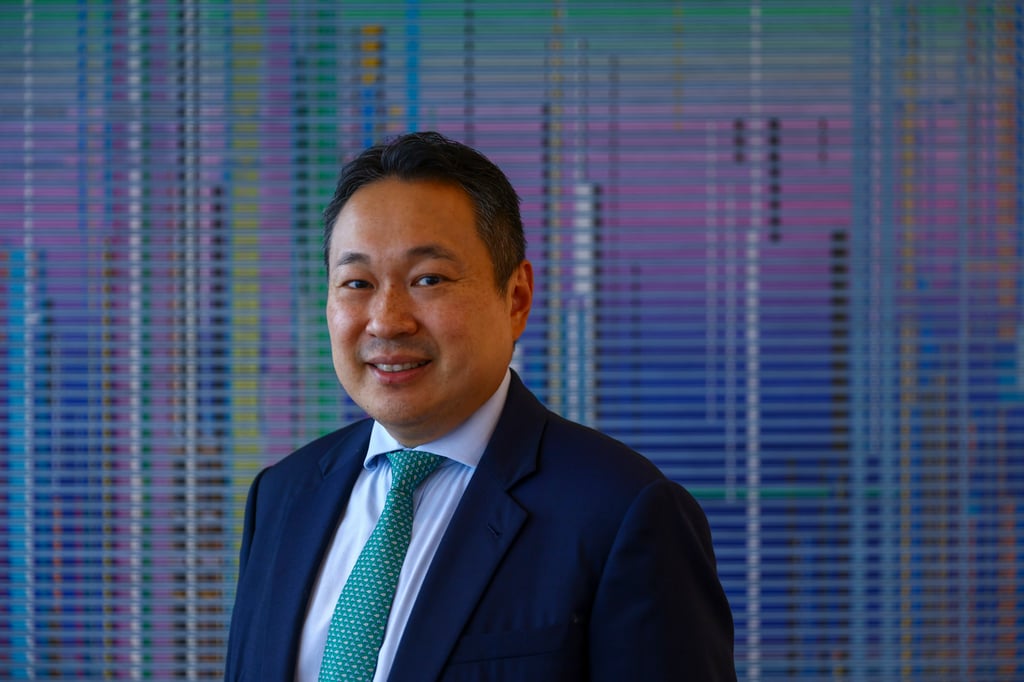
Lee and Leung take great encouragement from recent policy statements, notably Chinese President Xi Jinping’s July 1 speech marking the 25th anniversary of the Hong Kong Special Administrative Region, which confirmed the city’s “distinctive status and advantages”.
They believe that a clear vision, one shared by the government and the wider investment community, plus decisive and timely action, will make it possible to rise to the challenge.
Lee and Leung agree that there is nothing to stop Hong Kong eclipsing rivals to stand tall as Asia’s premier financial market and restore its status as a major global player. Yet achieving that will depend on unity of purpose, tapping into new sources of long-term capital, a balanced approach to regulation, and a rekindling of the city’s famous can-do spirit.
“Firstly, I think one needs to step back and take a view of Hong Kong’s role in the overall scheme of things,” Leung says. “If you read the reports on President Xi’s July speech, I think it’s very clear that China needs Hong Kong.
“The more China wants to have quality, sustainable growth, employment for all and a good environment, with the country really playing its part as a global citizen and being self-sufficient in technology, the more important Hong Kong is for all of that.”
To make things happen, though, the city cannot afford to rest on its laurels, she says, as financial hubs across the border have come on by leaps and bounds in the past few years.
In September, Deloitte China released a report showing that Shanghai and Shenzhen stock exchanges were set to retain first and second positions in the global initial public offering (IPO) rankings for funds raised in the first three quarters of this year, based on existing figures and estimates.
Hong Kong stock exchange was expected to be ranked fourth – even after big IPOs by a retail business and an electric-vehicle battery manufacturer.
Clearly, Hong Kong cannot rely as it has before on a steady stream of new mainland-backed listings, or automatic allocation to the market by the usual institutional investors.
So, to fulfil the function of a gateway to China and a genuine global financial centre, it is vital to attract new flows of capital from insurance, pension, venture capital, private equity and sovereign wealth funds from different parts of the world.
In that respect, last October’s delegation to Saudi Arabia and the Middle East, led by Hong Kong’s Financial Secretary Paul Chan Mo-po was seen as a definite step in the right direction.
However, those relationships still need to be strengthened to convert discussions and good intentions into real investment in Hong Kong-listed equities, bonds, IPOs or early-stage start-ups.
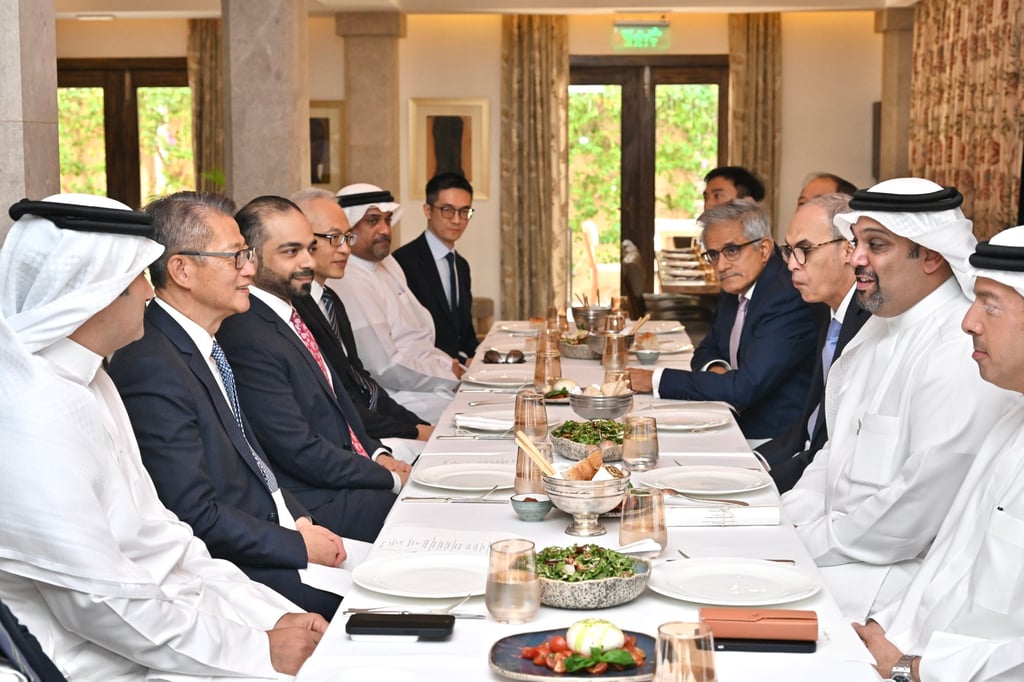
“I think the Middle East entities are very interested in the growth of China; they want to participate and have a vantage point into the Greater Bay Area,” Leung says. “If Hong Kong can do more work and actually ‘solidify’ these visits into action points, then that can become a very important channel.”
Lee says a key priority for the local exchange is to continue to internationalise. The likes of Prada, L’Occitane and Samsonite have shown it is possible to attract big-name listing candidates from overseas, which add to the mix and serve to differentiate Hong Kong from the mainland market’s focus on domestic manufacturing and retail.
However, to push that forward, there should be reforms to facilitate new types of listing, whether pre-revenue or in the specialised technology space to encourage artificial intelligence, cloud and software as a service (Saas) companies.
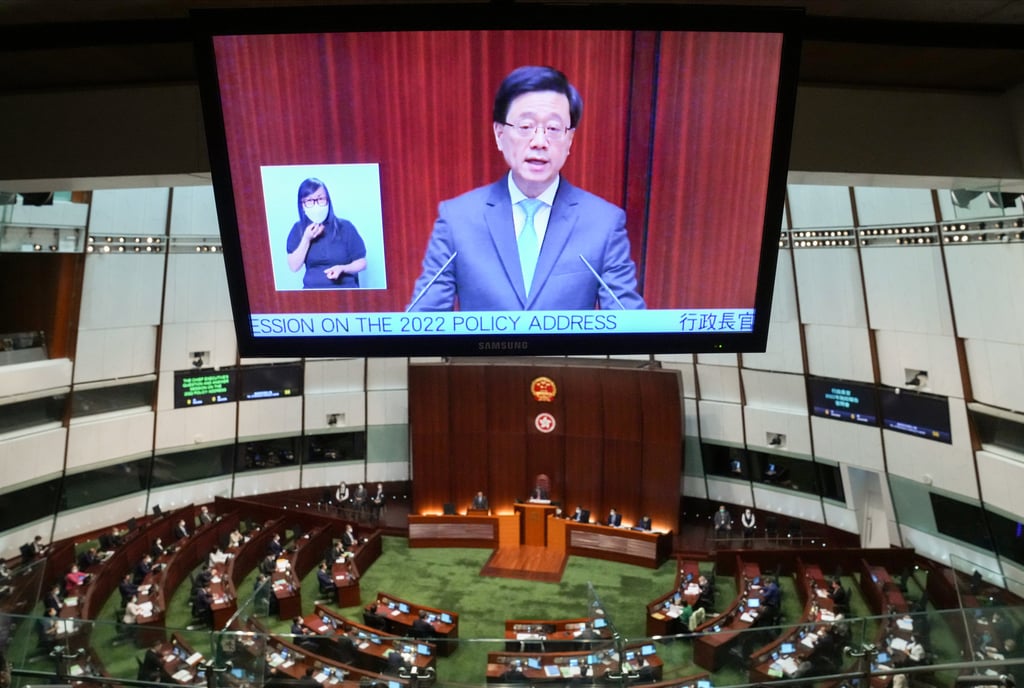
For this, the new Chapter 18C scheme – the Hong Kong stock exchange’s proposed new listing regime for unprofitable or pre-revenue Big Tech companies – outlined in Hong Kong Chief Executive John Lee’s policy address in October, points the way. It requires listing candidates to disclose a credible path leading to the “commercialisation threshold”, and has already sparked a number of expressions of interest.
To keep general trading volume up, BHKF believes it is worth considering a reduction or exemption from the current stamp duty of 0.13 per cent (as a percentage of transaction value) to cut transaction costs for certain stocks such as small- to mid-caps, or those listed under the dual-tranche, dual-counter model. Doing this would help to dispel suggestions that other markets, notably Shenzhen and New York, are more welcoming and competitive.
Besides that, the recent establishment of the Hong Kong Investment Corporation (HKIC), which includes a HK$30 billion (US$3.8 billion) co-investment fund, is viewed as a positive development for attracting and supporting strategic enterprises in different sectors which want to take a stake in local companies and find a foothold in China’s Greater Bay Area development zone; the bay area scheme aims to link Hong Kong, Macau, Guangzhou, Shenzhen and seven other Chinese cities into an integrated economic and business hub.
“[HKIC] is something that I think is long overdue, but it is good that it’s getting started now,” Lee says. “It will help to reinforce or incubate early- to mid-stage companies, similar to the work of the GIC [sovereign fund] in Singapore.”
GIC is one of the three investment entities in the city state that manage the government’s reserves, alongside the Monetary Authority of Singapore and Temasek. Two of its main focuses are “investing in technology” and “investing sustainably”.
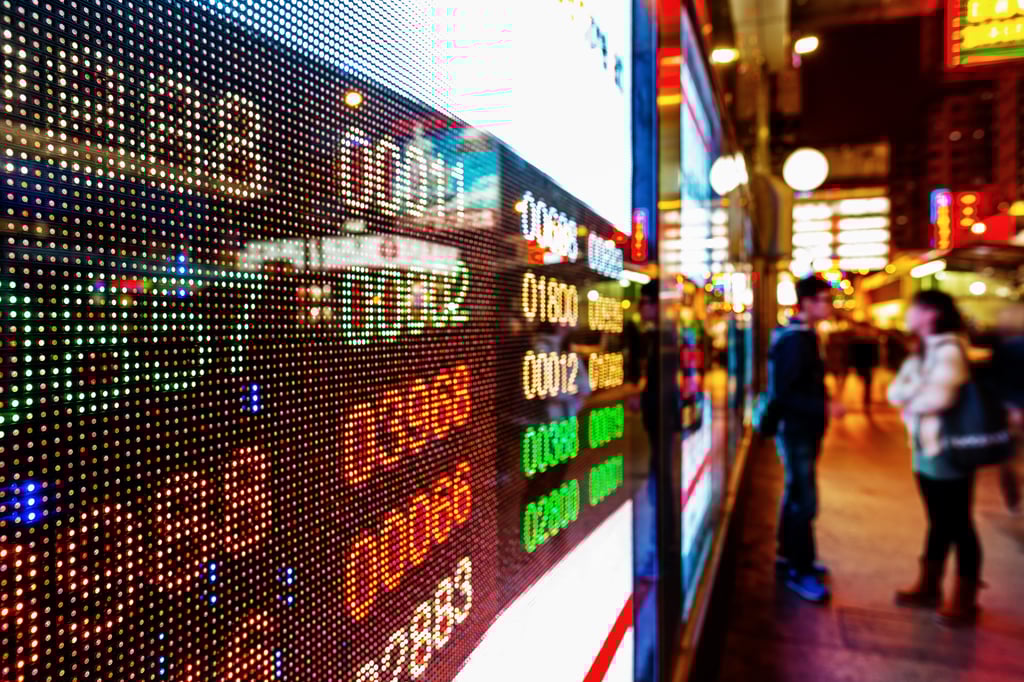
However, the Hong Kong measures will pay off only if regulation does not become a barrier to expansion, Lee says. Anyone operating in the city understands the importance of the rule of law and a clear framework of regulations to govern different sectors.
However, with the arrival of the digital economy, blockchain, e-commerce, cryptocurrencies and the metaverse, regulators must also be nimble enough to support entrepreneurs working in these areas, as well as life sciences and enterprise software, without leaving investors or business partners exposed to undue or unseen risk, he says.
“Hong Kong is still viewed as a very important financial hub, but actions speak louder than anything else,” Lee says. “We are commercial people, but we need to bring in more investment and talent.
“The top talent admission scheme will help to attract high-income earners and graduates from the world’s top 100 universities, and the [city’s] Global Financial Leaders’ Investment Summit in early November was a success. But we must keep working to become more competitive.”
Looking ahead to possible developments in the next five to 10 years, Leung thinks the regulators need to be clear about what Hong Kong wants.
Some “battles”, for example to get more listings of mainland semiconductor firms, may have been lost because the critical mass is now in Shanghai, she says. But the apparent mindset that Hong Kong wants the big companies to list here, while the smaller ones go elsewhere, bears closer re-examination, especially as sectors such as biotechnology continue to take off.
“My disappointment with the recent consultation paper is the market cap requirement of HK$8 billion for so-called specialised tech,” Leung says. “It doesn’t really lend itself to fast-growing, promising enterprise software companies that would welcome the opportunity to raise capital in Hong Kong.
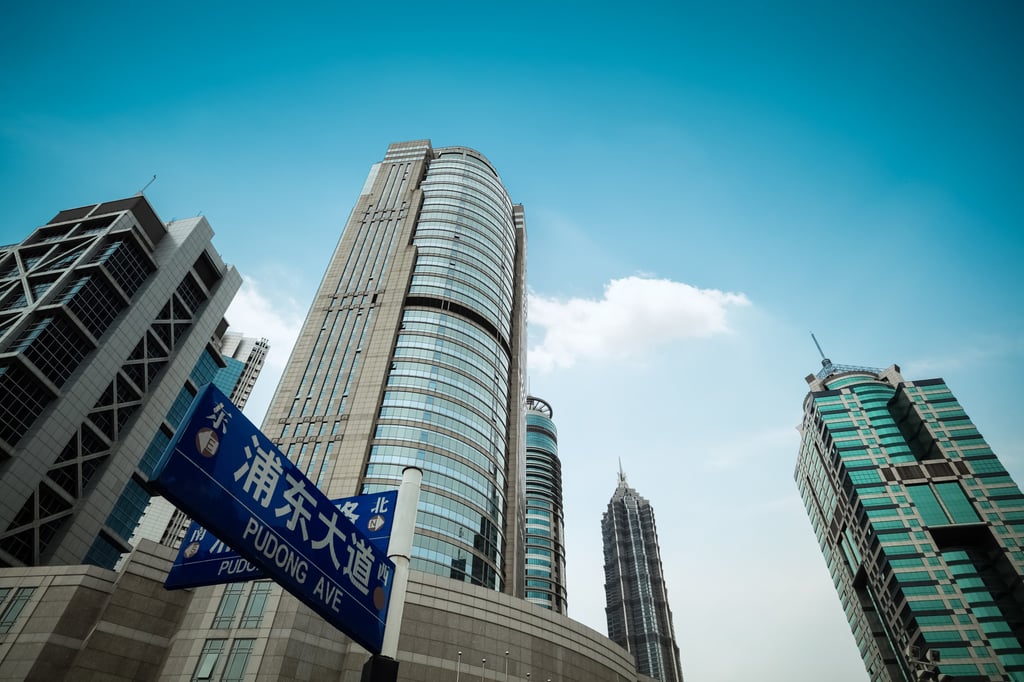
“There are so many mushrooming companies in cloud computing, HRtech [human resources technology], proptech [property technology] and so on. If you don’t get them when they’re smaller, and they choose to list in Shanghai instead, which has lower [entry] requirements, they won’t move back.
“So, it’s time for Hong Kong to wake up. We need to cherish and nurture the promising medium-sized guys, too.”
Lee says that, after a good start in promoting sustainable finance, more must now be done to create an integrated environmental, social and governance (ESG) ecosystem serving Hong Kong and the Asian region.
As the fight to slow climate change takes on greater urgency, and environmental issues move up the agenda, investment funds and venture capital firms will be looking to steer money into companies dedicated to creating a greener future.
He says that as things stand, nothing prevents Hong Kong from being at the heart of that ecosystem, financing renewable energy, replacement industries and recycling projects and, in doing so, also strengthening its position amid the inevitable uncertainties of the geopolitical scene. But the city’s citizens and residents must play a crucial role, too.
Leung says: “I think the new government is really trying very hard to do new things and re-establish Hong Kong; that’s fantastic.
“However, as citizens, we also need to think outside the box and be able to cover things the government hasn’t thought about. That’s our job and people have stopped doing it, so we need to get that spirit back again, too.”