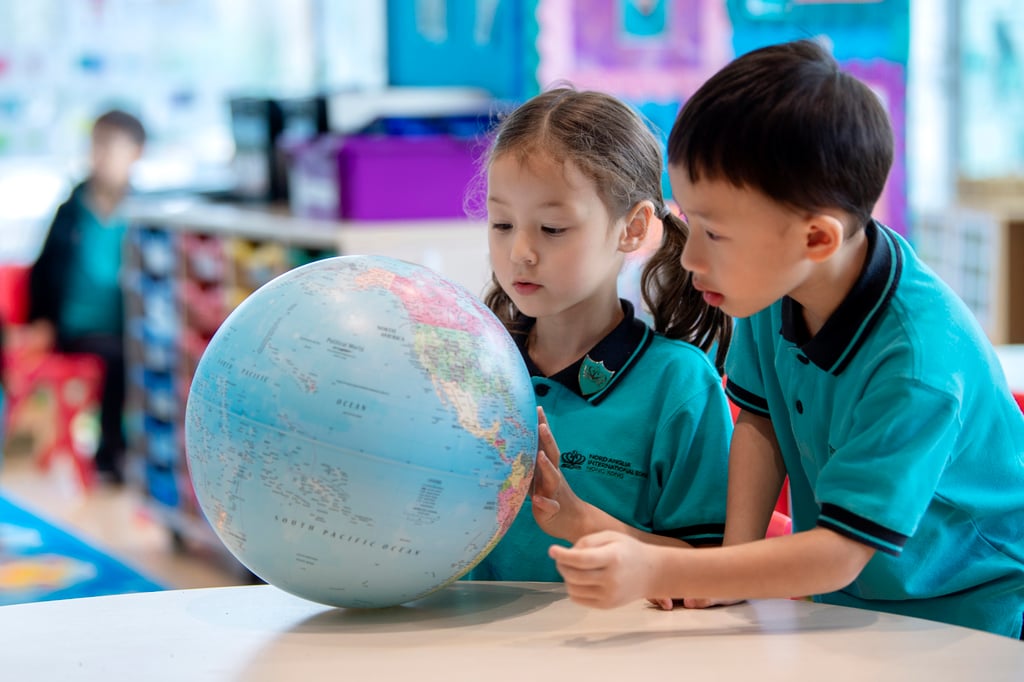
Nord Anglia balances academic rigour with all-round development in its first decade

[The content of this article has been produced by our advertising partner.]
In the 10 years since welcoming its first intake in the autumn of 2014, Nord Anglia International School Hong Kong (NAIS Hong Kong) has clearly come a long way.
Now split between three campuses in Lam Tin (primary), Sai Kung (early years) and Kwun Tong (secondary), student numbers have grown from an initial 500 to today’s 1,500-plus, all of whom benefit from a strong curriculum, high-quality teaching, and a diverse range of activities outside the classroom.
“Being part of an organisation which operates more than 80 schools around the world, we have had opportunities to develop quickly by sharing best practices and research,” says NAIS Hong Kong principal Kenny Duncan. “It also means we include aspects of global mindedness in our teaching and that older students can join international programmes and expeditions.”
The English national curriculum is used as a framework up until the age of 14, with other elements incorporated as and where appropriate. This allows for emphasis on STEAM subjects, as well as lessons that explore the history and context that come with living and studying in Hong Kong and China.
Students then switch to the IGCSE curriculum and, in their final two years, take the widely respected IBDP (International Baccalaureate Diploma Programme). Along the way, they have the chance to take part in drama, music and dance programmes run in collaboration with New York’s prestigious Juilliard School plus project-based challenges designed by postgraduates and professors at MIT (Massachusetts Institute of Technology).

This year, as a way of marking its 10th anniversary, NAIS Hong Kong is putting special focus on the importance of service to others. That is already a key constituent of the IBDP, but the intention is to see it take root throughout the school.
As a result, students are being encouraged to go out into the local community, raising funds, and assisting charities and NGOs. These efforts include work with Feeding Hong Kong to provide meals for people in need, and with organisations in Kwun Tong which aim to promote recycling in the fashion industry.
Showing real initiative, one student with a passion for design technology is putting those skills to use by repairing wheelchairs every Saturday. He uses a 3D printer to produce wheels and bearings and is committed to giving continuing support.
The concept of service, though, is not limited to Hong Kong. This year, 10 or more international trips and visits will allow senior secondary students to spend time in countries like Cambodia, Laos and Tanzania. Under close supervision, they will take part in local community projects, perhaps teaching a class or helping to build an extra schoolroom, and see what life is really like for their contemporaries in other parts of the world.
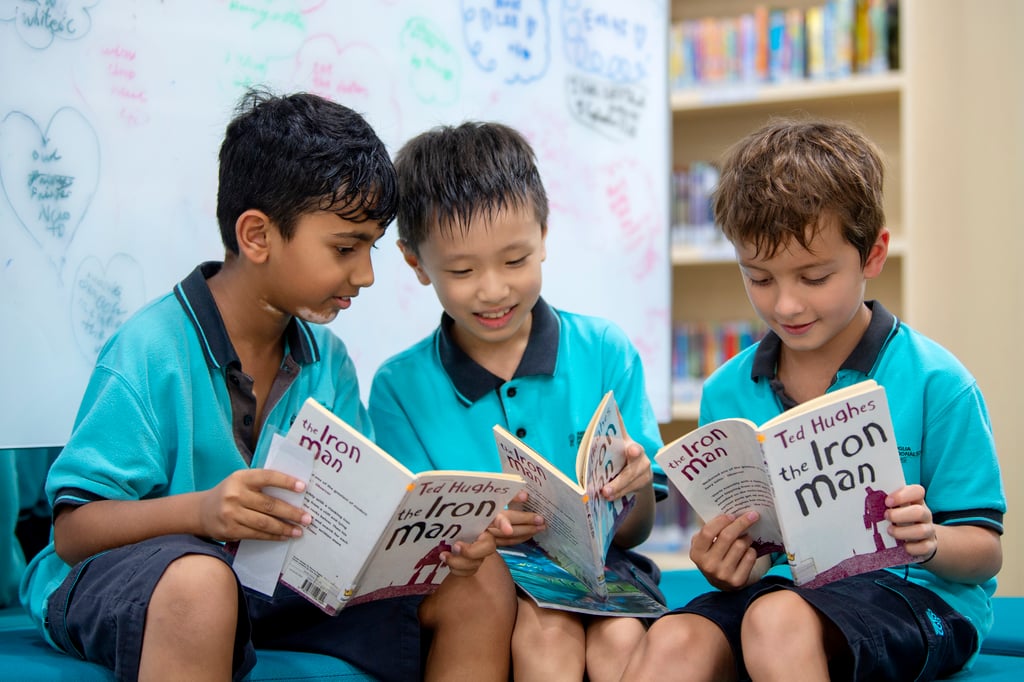
“We also have an ongoing relationship with Unicef to inform students and get them involved in health and education projects,” Duncan says. “In fact, we have won a Unicef social impact award for incorporating arts and technology in different ways and making students aware of their responsibilities as citizens of the world.”
That extends to discussions about the UN Convention on the Rights of the Child and, as with two upcoming trips – one for school musicians to perform in Prague, the other to speak Spanish in Toledo and Barcelona – the objective is to ensure students understand the real world in all its many forms.
“Getting strong academic outcomes is the key to their futures, but we also recognise the importance of developing the whole child and enriching their experience,” Duncan says. “We also make sure our pathways are appropriate.”
Accordingly, Putonghua classes are compulsory up to early secondary; a Chinese stream for acquisition of English has been introduced for non-native speakers; and the IBDP option leading to more vocational qualifications will be made available.