How to choose the right school for children and support them through their journey
- Involve the child in the school selection process, says Ben Keeling, principal of Shrewsbury International School Hong Kong
- Parents may want to plan their child’s education well ahead, but more important to make correct choice for what is needed now
[Sponsored article]
Pupils at Shrewsbury International School Hong Kong – which caters to preschool and primary schoolchildren aged from three to 11 at its Tseung Kwan O campus – and their families had to cope with the “new normal” as well, but its principal, Ben Keeling, remains optimistic.

“I think we’ll become a more empathetic and connected community. Strength will emerge as a result of an incredibly testing period.”
Even without a global health crisis, children are likely to face other changes during their educational journey. Typically, starting school, or progressing to a higher level of education, can be worrisome.
Keeling wants to reassure parents who may be anxious about these necessary developmental shifts.
“Children usually cope more effectively with change, think more flexibly and are more adaptable to unfamiliar environments than adults do,” he says.
“So, while the parents may be feeling a degree of pressure – this is healthy, normal and to be expected – they should know that children are likely to thrive in a new setting.”
Assess the schools
Selecting a school that is most suitable for a child can be a daunting experience. Keeling advises parents to assess the school’s ambition and vision first. The best way to do this is to meet the principal, even if only for 10 minutes, he says.
“It’s hugely important that parents enjoy some face[-to-face] time with the leader of the organisation to help them make a judgment about the school,” he says.
“If time with the principal is not afforded to them, that to me would be a sticking point.”
Secondly, parents should make a “cultural assessment”: is their child going to be happy, accepted and welcomed in the school’s community?
The best way to ascertain this is to sign up for school tours and watch how the school’s children and adults – both administrative and academic staff – interact and relate to each other. “Look at how they speak to each other and look at their body language, too: these observations are telling,” Keeling says.
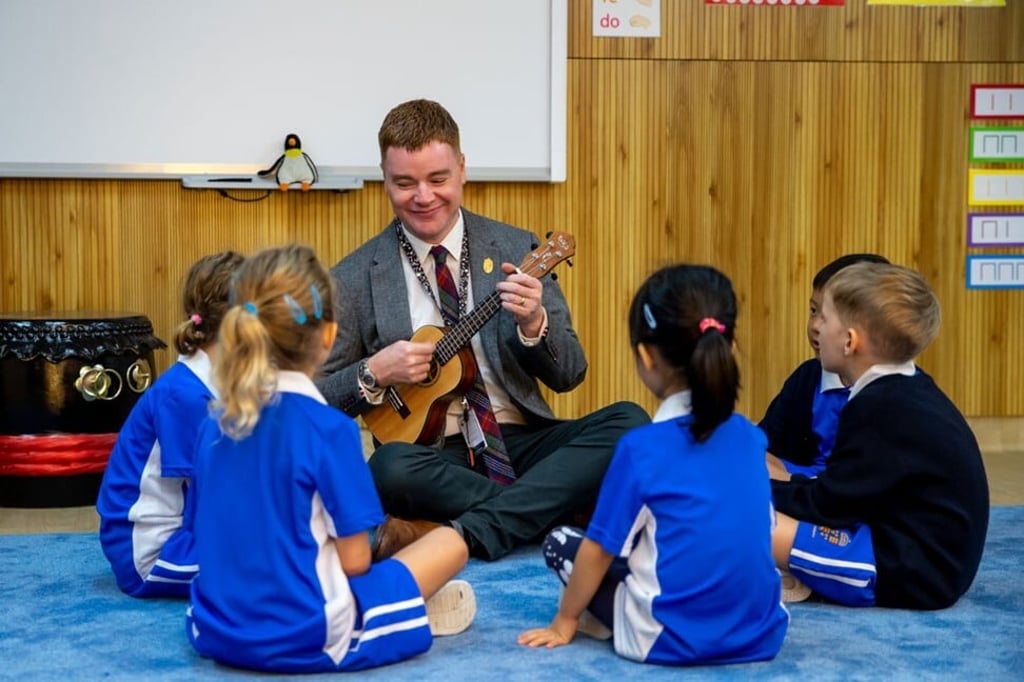
He also advises parents to simply make the right choice for “now”, because children will change and evolve as they mature.
“While having an ambitious forward plan for your child is natural, it’s also important to be conscious and alert to the needs of your child in the moment,” Keeling says. “The same child at four and later at eight years old could be very different indeed.
“It’s dangerous to be planning too far in advance with very limited knowledge or understanding of what may come. Parents should embrace flexibility within their forward planning.”
This is especially true for international families in Hong Kong, who are in the region for work and are often limited by an employment contract. For such families, Keeling recommends planning for their child’s education no longer than two or three years in advance.
Plan ahead together
Involving children in the planning of their educational path is also key to them having a fulfilling learning experience, he says. The best time to engage with the child is as soon as he or she feels ready.
“Do it as soon as you feel that he or she is able to internalise, understand and rationalise the options before them,” Keeling says.
This engagement process is closely aligned to one of the core values at Shrewsbury: children must be given ample opportunities to discover themselves.
“A sense of self-understanding drives self-efficacy,” Keeling says. In short, happy children learn better and can achieve greater success.
“When children have a better understanding of their potential, and of their areas for growth and development, that greater sense of self will breed a greater sense of understanding, satisfaction and happiness,” he says “Happy people are proven to be more successful in their lives.”
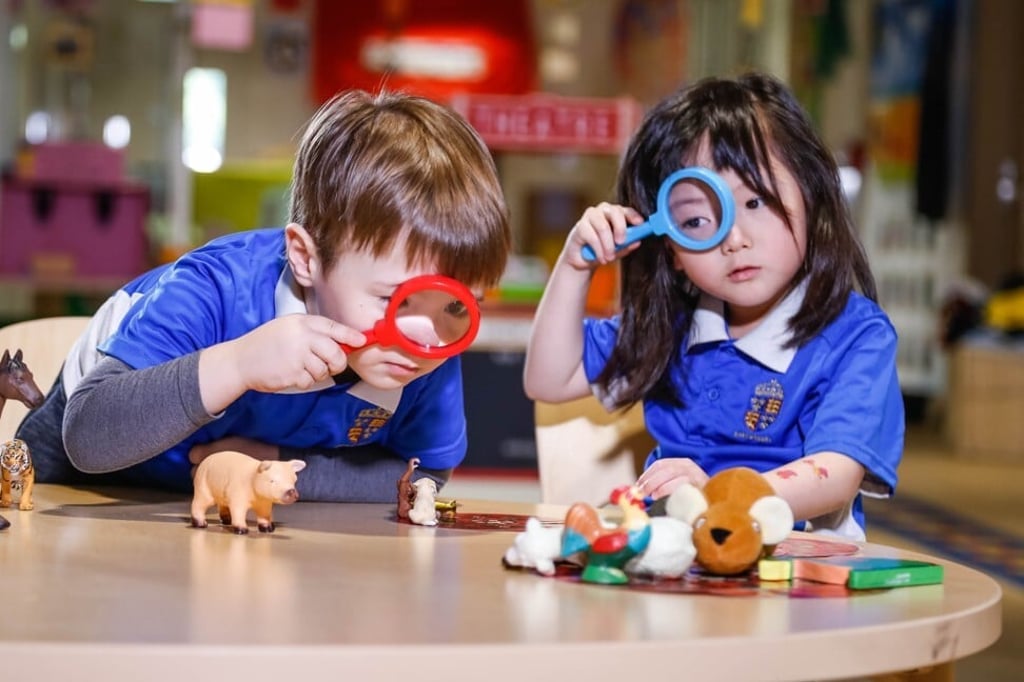
To guide children on this journey of self-discovery, Shrewsbury offers a broad curriculum, which enables children to explore and engage on a wide variety of subjects – whether it is dancing and singing, or mathematics and English literature.
Children at Shrewsbury are also encouraged to work together. “They learn from one another, so they get a sense of where they fit within their local community,” Keeling says. This ensures children enjoy a multitude of healthy and diverse engagements with those around them.
Keeling also recommends that parents consult their child again when he or she is preparing to move from one school to a higher level of education. “Do it with them, not to them,” he says.
Shrewsbury has built a solid reputation for helping parents and children in their secondary school selection and its school partnership coordinator is always ready to facilitate this group discussion and process.
Keeling says: “The best way to ensure that the process works well for all people is to involve all people. The involvement of the school is critical in finding the best and most successful pathway for the child, too.”