Why it’s important to nurture empathy and compassion in children from an early age
- Learning such values helps youngsters gain a better understanding of others and develop into ‘respectful citizens’ who can contribute to society
- Ben Hart, upper primary school principal at Hong Kong International School, says its curriculum encourages pupils to be curious about global issues
[Sponsored article]
Learning compassion and empathy – values that help us to show care when others are suffering and also understand and share their feelings – forms an important part of a child’s emotional development.
Youngsters start to gain the ability to sympathise and empathise with other people between the ages of about three to six – around the time they start to interact with their peers at kindergarten, according to the Hong Kong government’s Family Health Service, which promotes health and disease prevention among preschool children and women in the city.
Educators not only want to see such values in young children, but also have a responsibility to nurture them, says Ben Hart, upper primary school principal at Hong Kong International School (HKIS) on Hong Kong Island – the latest expert to discuss pertinent issues surrounding education in South China Morning Post’s recurring EdTalk video series of interviews.

“I think it‘s one of the most important things that we can do as educators for primary students,” he says. “They are at a genuine age where they start exploring ways that they can contribute to society and demonstrate empathy and compassion towards others. It’s a very natural thing for children to do.”
He says learning these values encourages children to be lifelong learners and develop into “respectful, global, international citizens”, which is why HKIS – which teaches children from Reception One (pre-kindergarten, aged 3 to 4) to Grade 12 (17-18) at its lower and upper primary schools in Repulse Bay, and middle and upper schools in Tai Tam – integrates service learning opportunities in its curriculum.
Service learning forms a fundamental part of the international private school’s mission to contribute to society and its American-style education grounded in Christian values.
Encouraging global curiosity
“A lot of our curriculum is designed to promote curiosity [so that] children really understand the global issues that are happening on a smaller scale within their community,” Hart says.
These could be things they may notice in Hong Kong on a community level. In Grade 5 science, for example, teachers have been talking to pupils about ecosystems and the impact humans have on the environment.
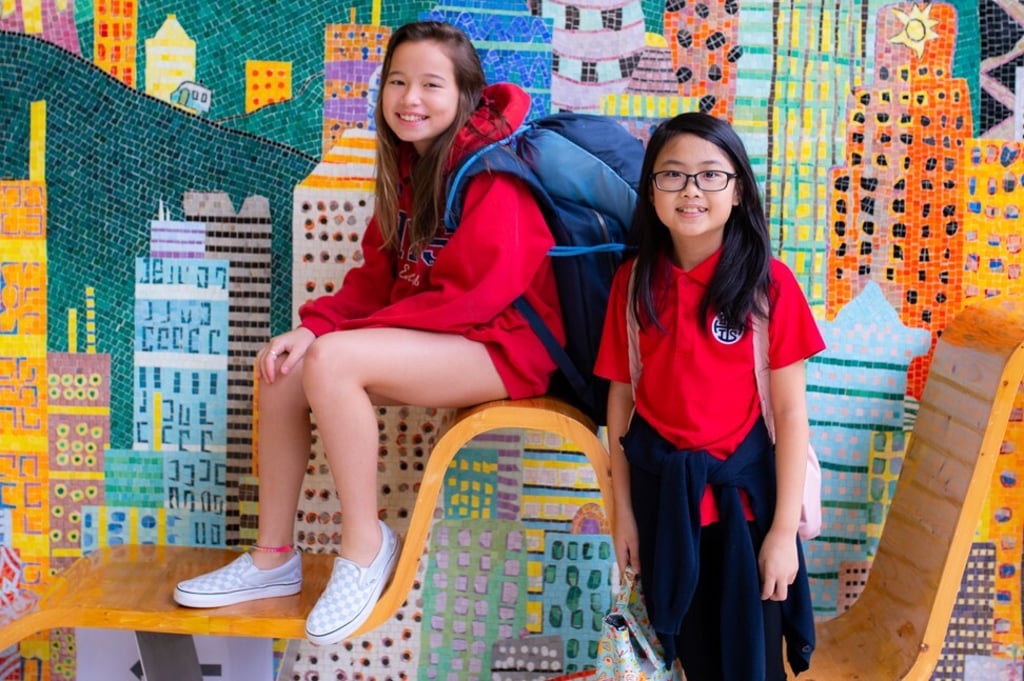
This inspired the children to take part in litter clean-ups on beaches and along hiking trails near the school. The ultimate goal was for pupils to understand that “no good act is too small”, Hart says.
“Sometimes taking action is seen as needing to be a really big thing, when the reality is a lot of those ‘little drops in the bucket’ or ‘small steps’ can be what leads to bigger change,” he says.
“I think that it‘s about the intentionality that we have in leading children to feel like they can take action. We really want to have children lead children to action – to have them feel that they can genuinely make a difference.”
Focus on community service
The upper primary school’s pupils also have plenty of opportunities to help others as part of its Service Learning Club, which shows them how they can contribute to society.
As pupils grow older and reach HKIS’ middle and high schools they become really passionate about larger global issues and more active in carrying out voluntary service, Hart says.
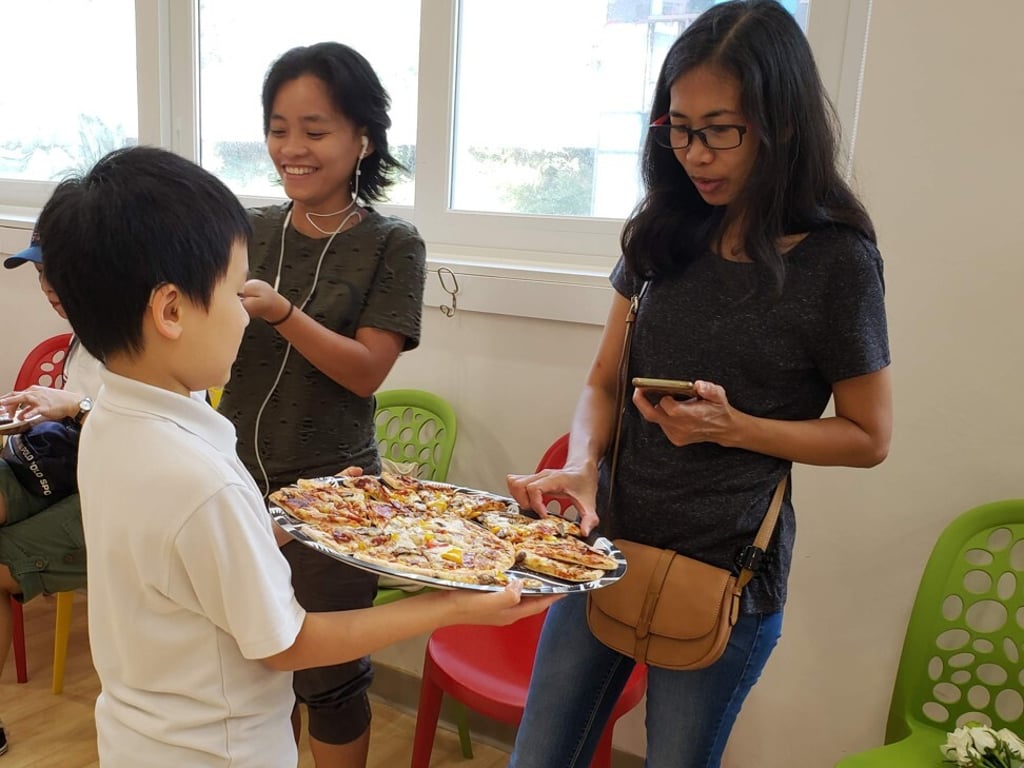
One unit of the curriculum, called People on the Move, examines the global and social circumstances leading to people becoming refugees, while the social studies curriculum looks at topics such as civil rights and government.
“Part of the work is being intentional in providing those opportunities and being authentic to the curriculum, but then also allowing things to flourish and grow for children,” he says.
The school’s Helper Appreciation Day is one example of pupils learning about – and showing – empathy for others.
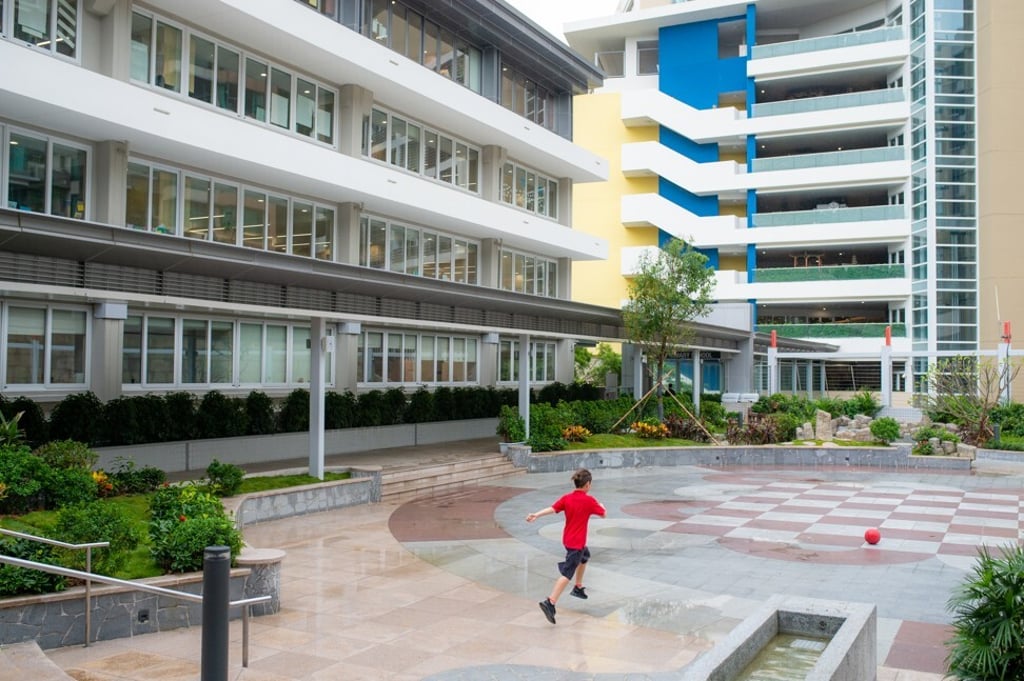
“It is a way to have children think about and demonstrate appreciation for the people that have helped them in their lives,” he says.
Many pupils ask teachers if they can lead different community service projects, and parents are also often involved to support their children’s endeavours.
“Academic success is important, but we also want them to be respectful of different cultures and know they can have a true and meaningful impact on the world around them,” Hart says.