How fisherfolk of Aberdeen Harbour and tiny island of Peng Chau forged Hong Kong’s vibrant history
- Sheltered bay area near Aberdeen, on southern coast of Hong Kong Island, is traditional home of city’s fishing community
- Tranquil outlying island of Peng Chau, once thriving base for leather, pottery, match and lime ash factories, now flourishing arts hub

[Sponsored article]
Hong Kong’s relatively short, yet colourful history has influenced not only the city itself, but also the mainland and the wider world.
Many of its stories are tied to the sea-flanked geography of the territory, on the coast of southeastern China, comprising 262 outlying islands and numerous bays and harbours – including the sheltered waters of the iconic deepwater Victoria Harbour, between Hong Kong Island and Kowloon Peninsula – which have helped to forge its development as a major international free-trading shipping port.
Aberdeen Harbour, a sheltered bay area between Aberdeen and Ap Lei Chau island on the southern coast of Hong Kong Island – the traditional home of the city’s fishing community – and the tiny, tranquil outlying island of Peng Chau, with links dating back to the Qing dynasty’s (1644-1911) heyday, demonstrate the city’s uniqueness.
Unassuming island home to multifaceted history
When you step from the ferry on the small secluded pier, on the back edge of C-shaped Peng Chau, it is hard to imagine that this was once a thriving hub of fishing and other small – yet important – industries. The island’s chill, car-free environment makes it seem as if time has stood still for decades.
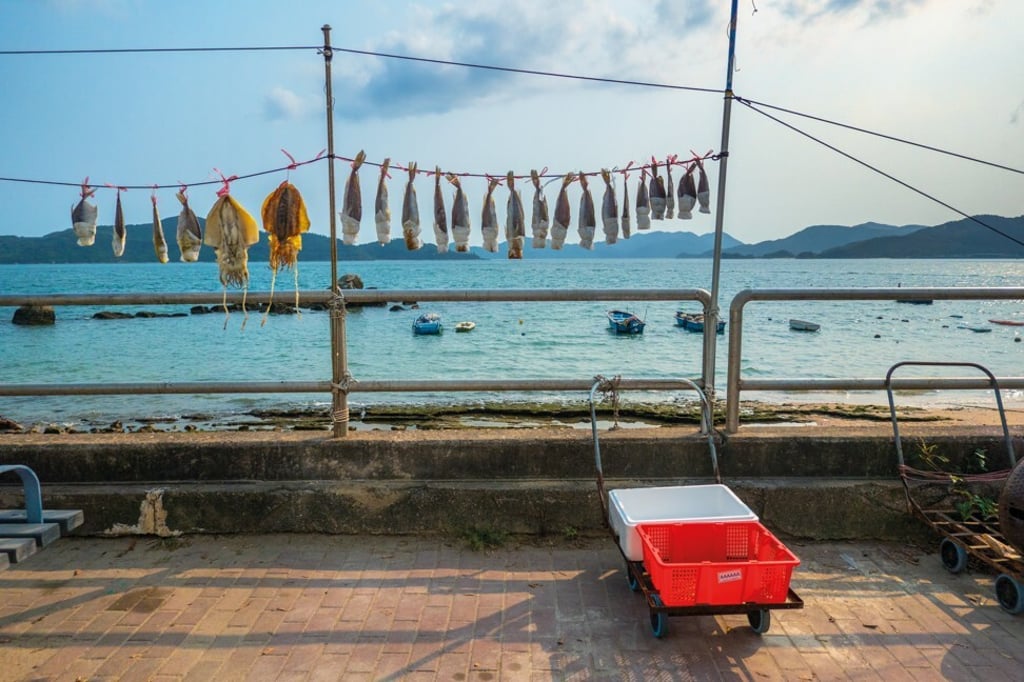
Apart from its historic fisherfolk, Peng Chau was also home to a thriving lime ash production industry – widely used in the city’s construction industry – alongside ceramic pottery and cane-making factories and the Great China Match Company, once the largest match company in Southeast Asia, which employed more than 1,000 people at its peak in the late 1940s.
Some of the former factory buildings have been repurposed as trendy art spaces, most notably Fook Yuen Leather Factory, a Grade III-listed historic building. Peng Chau native Sherry Lau invested lots of time – and her own money – to transform the building into My Secret Garden, characterised by installations made of scrap materials collected from junkyards that hark back to the island’s industrial past. They attract hordes of Instagram enthusiasts at weekends.
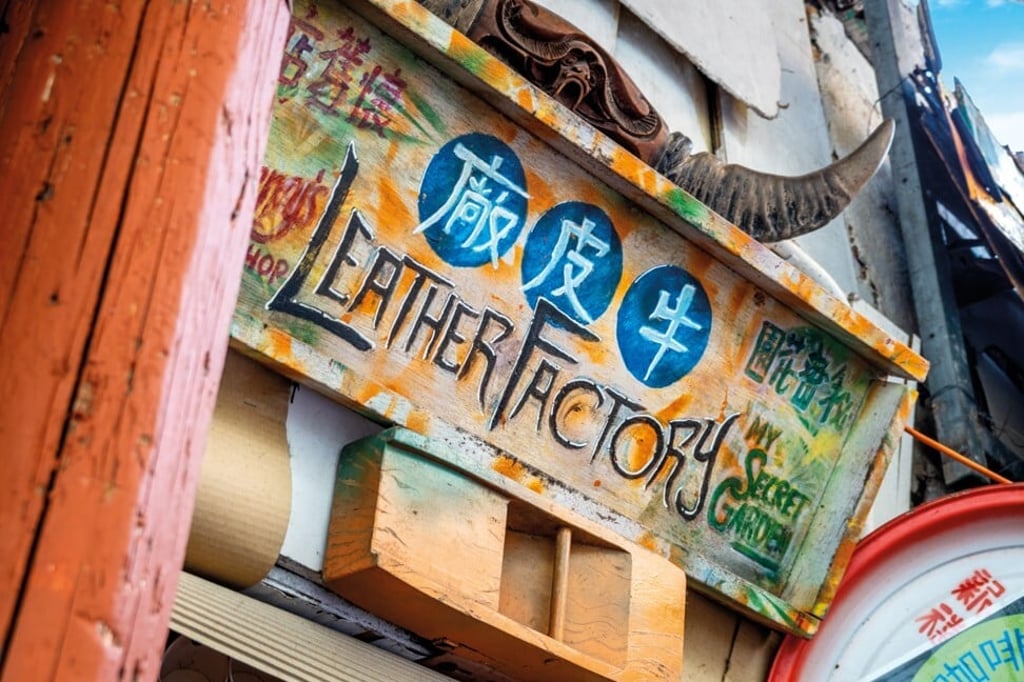
A number of artists have opened shops here, including Ka-yu Ng, 32, founder of 5+2 art studio, who began selling her drawings to supplement her income in her mid-20s. A chance encounter with Lau eight months ago inspired her to take “the last chance to fight for my dream” as an artist.
“Each day is like a new lesson, as people come in, and I try to find out more about myself,” Ng says. “The environment of Peng Chau is like a little town. I feel completely free here – I have space to breathe.”
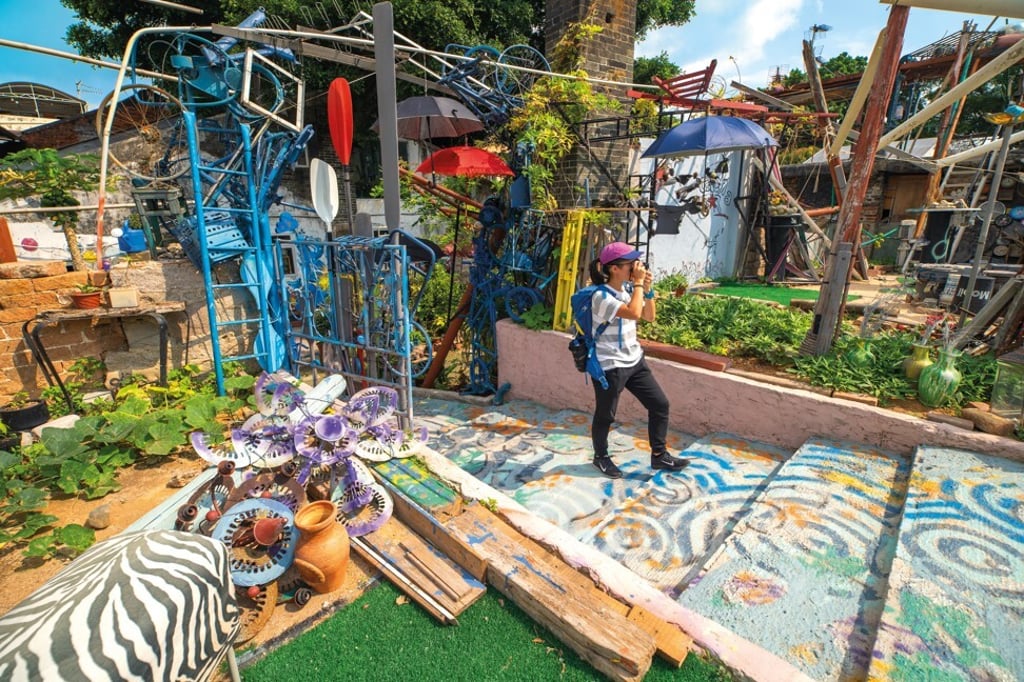
Other hidden gems include Islanders Space, a cafe/bookshop that also hosts events related to Peng Chau culture, A Lit Corner, where visitors can enjoy a coffee and browse vintage paraphernalia such as typewriters, telephones and wall clocks, and nearby E.art.h Rock Studio, which is home to a treasure trove of gems and runs jewellery-making classes.
The island offers a good selection of popular places where you can enjoy simple snacks or a sit-down meal, including Kee Sum Cafe, not far from the piers, loved by residents for its deep-fried shrimp toast.
The island’s other popular Instagrammable spots include the small, remote craggy outcrop of Old Fisherman‘s Rock, a white-sand beach at picturesque Tung Wan Bay and – arguably one of Peng Chau’s oldest residents – the banyan tree next to Kam Fa Temple.
Fishing harbour where city’s epic story began
Aberdeen Harbour was a vibrant fishing community long before Victoria Harbour began to develop in the 19th century.
The years from the 1950s to the early 1970s formed the golden era of Aberdeen Harbour when its waterfront setting – home to its boat people and their floating village – was often immortalised in international films, including 1955’s Love is a Many-Splendored Thing, starring William Holden and Jennifer Jones, 1960’s The World of Suzie Wong, again with Holden and Nancy Kwan, and Bruce Lee’s kung fu action film, Enter the Dragon in 1973.
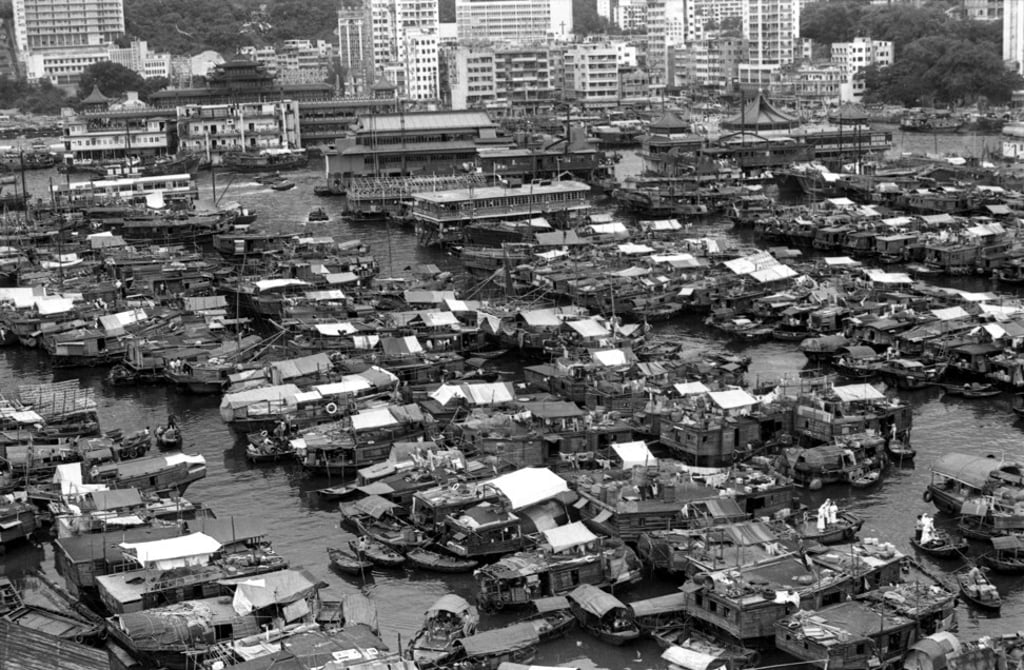
Dedicated sampans served numerous purposes, such as congee kitchens to grocery suppliers. But as Hong Kong developed industrially over the years, new generations of boat people moved ashore to take up different job opportunities.
Today, you will spot luxury yachts cruising the harbour juxtaposed with fishing vessels unloading their offerings each morning at Aberdeen Wholesale Fish Market, which supplies more than 70 per cent of the local live seafood. Occasionally, traditional sampans shuttle past, highlighting the harbour’s vibrant history.
A few double-decker houseboats, where fisherfolk work and live, can still be seen in the harbour today. Known as zyu ga teng – literally “houseboat” – in Cantonese, preserved seafood and laundry can often be seen hanging side by side on outdoor decks of these vessels.
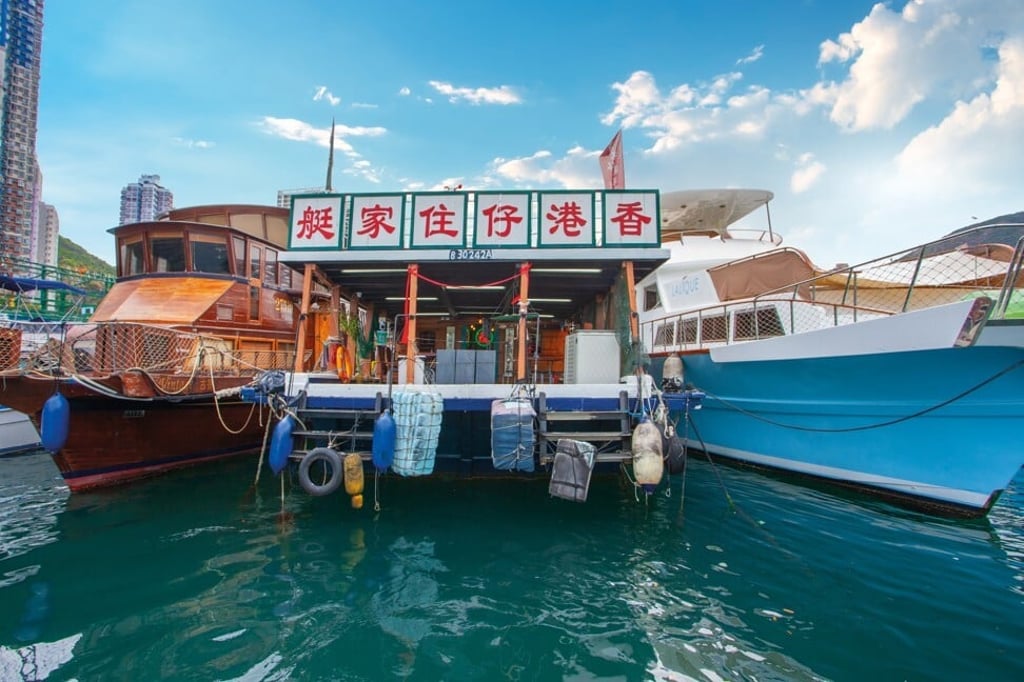
One of them has also been turned into a heritage attraction. Kenny Chan, whose family were fisherfolk, founded Aberdeen 1773, a cultural tour company, to promote Aberdeen Harbour’s unique floating village community and also pay tribute to his heritage. He led the move to renovate one of the houseboats and turn it into the Aberdeen Houseboat museum.
Visitors who join the Aberdeen 1773 tour will first circle around the harbour aboard a sampan as they listen to an audio guide highlighting the notable landmarks they are passing, such as the iconic floating Jumbo Kingdom Restaurant – now temporarily closed – and the area’s rarely visited bustling shipyards. The tour ends with a visit to the museum.
The sampan, which includes a dining area, photo gallery, wedding-themed chamber and a few rooms displaying old maritime artefacts, photographs and videos, provides visitors with a glimpse of what life was like for Aberdeen’s fisherfolk community. The museum’s exhibition also features retro furniture and colourful neon signs, which provide some great photo opportunities.
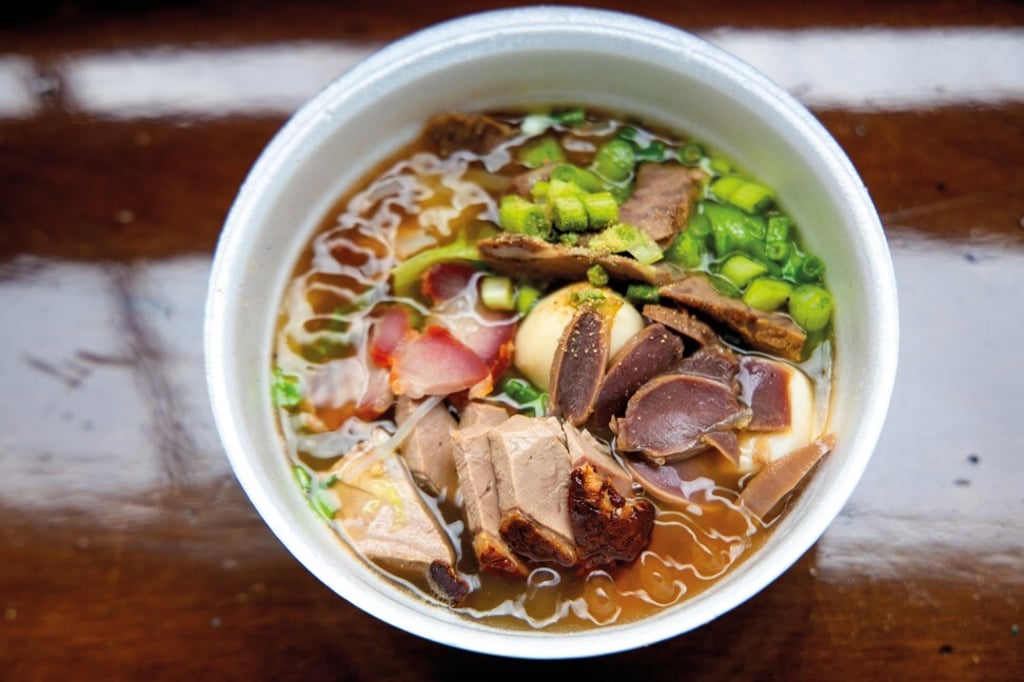
Those visitors who choose to join a lunch sampan tour can enjoy a bowl of freshly prepared, traditional-style boat noodles, served in a fish stock, alongside fish balls and roasted meat. This fare was once a regular favourite of Aberdeen’s many fisherfolk, but is now rarely consumed. However, thanks to the historic harbour tour, this delicious dish – and the nearly forgotten world of Aberdeen’s fisherfolk – live on.