Teeth Straightening: More Than Just a Perfect Smile & Why It's Important for Your Health!

[The content of this article has been produced by our advertising partner.]
When it comes to teeth straightening, the first thing that comes to mind is getting a perfect smile. However, orthodontics is not just about aesthetics; it plays a crucial role in improving both oral health and self-confidence!
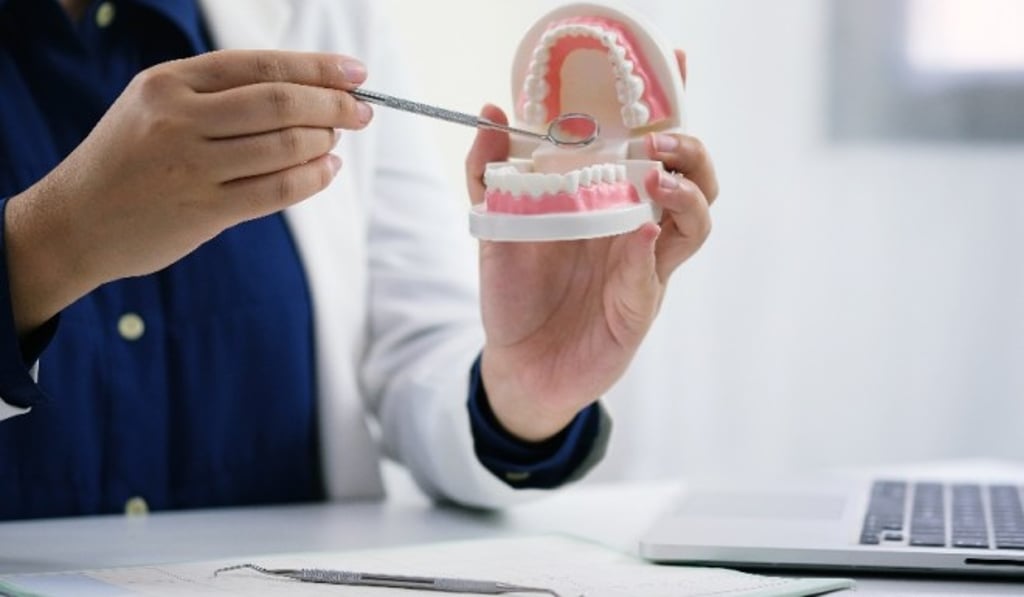
Orthodontics is a specialized area of dentistry dedicated to correcting misaligned teeth and jaws. It aims not only to improve the appearance of your smile but also to enhance how your teeth function. Orthodontists undergo additional training to diagnose and treat various issues, helping patients achieve balanced, healthy, and beautiful smiles.
Why Orthodontic Treatment is Essential
While a straight smile is often seen as the primary goal, orthodontics plays a significant role in maintaining long-term oral health. Misaligned teeth can make brushing and difficult, increasing the risk of cavities, gum disease, and even speech problems. Early orthodontic intervention can help prevent these complications and contribute to a lifetime of good dental hygiene.
Common Orthodontic Issues
Malocclusion (Bad Bite): This occurs when teeth are misaligned when the jaws are closed. Types include:
- Deep Bite: Excessive overlap of the upper and lower teeth.
- Underbite: Lower front teeth protrude past the upper front teeth.
- Crossbite: Some upper teeth sit inside the lower teeth.
- Open Bite: A gap between the upper and lower front teeth when biting down, often due to mouth breathing and thumb-sucking habits in young children.
- Crowding: Overlapping teeth due to insufficient space.
- Spacing: Gaps between teeth, often due to missing, or smaller-than-normal teeth.
Jaw Misalignment: Disproportionate or asymmetric upper and lower jaws can cause issues with chewing, speaking, and breathing. Severe misalignment may require advanced orthodontic intervention. It may also lead to temporomandibular joint (TMJ) disorders, which cause jaw pain and discomfort.
Protruding or Impacted Teeth: Teeth that stick out or fail to erupt properly can pose both functional and cosmetic concerns. Treatment can realign these teeth, reducing the risk of injury, damage to adjacent teeth and improving overall dental function.
Exploring Your Treatment Options
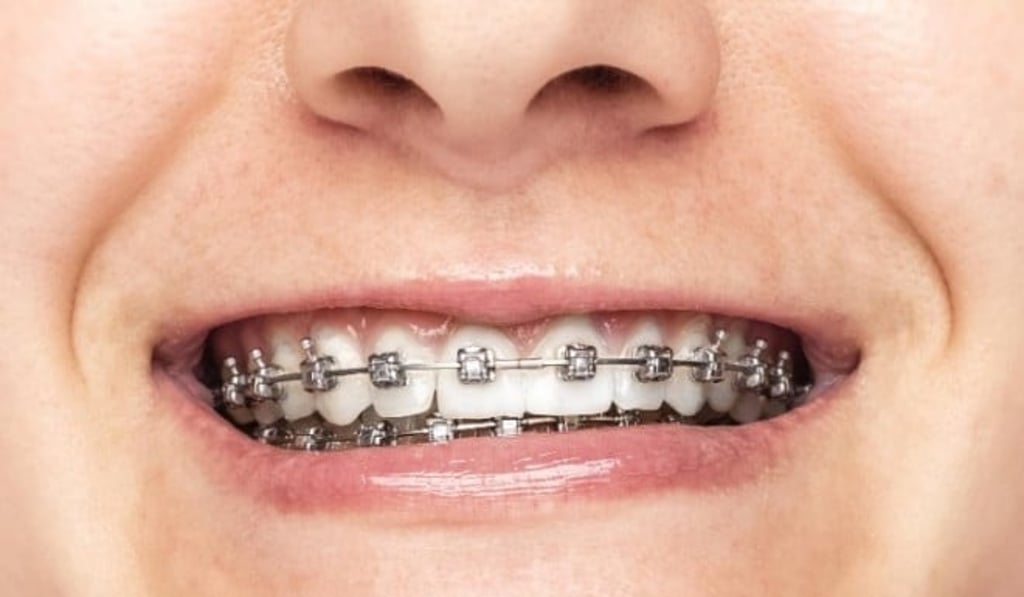
- Conventional Braces: These use metal wires and brackets to gradually move teeth into alignment. Metal brackets are visible but affordable, while ceramic brackets are less noticeable. Self-locking brackets offer a more efficient movement of teeth.
- Lingual Braces: Similar to conventional braces, but attached to the back (tongue side) of the teeth, making them less visible from the front.
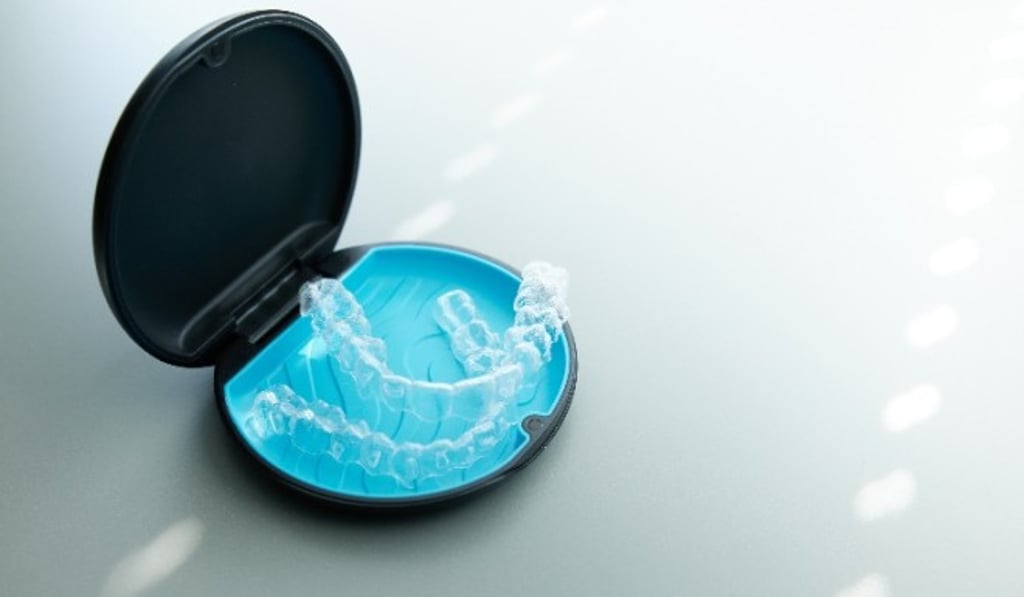
- Clear Aligners: Clear aligners, like the Invisalign system, have become popular as an alternative to traditional braces. These custom-made plastic trays gently move teeth into place. Clear aligners are removable and virtually invisible, offering a more discreet option, especially for adults and teens.There are several different clear aligner systems available in the market, each with its own material, features and track record. Consulting with an orthodontist to determine if you are a candidate for clear aligner treatment is essential for peace of mind.
- Retainers: Worn after orthodontic treatment to maintain the new position of the teeth and prevent them from shifting back.
Want to get started? Here’s 5 easy steps!
- Consultation and Diagnosis: The first step involves a thorough assessment of your condition using visual exams, X-rays, photographs, and digital scans.
- Treatment Planning: Your orthodontist will present various options, considering the need for extractions, treatment duration, and whether braces or clear aligners are the best choice.
- Fitting the Appliances: Braces involve attaching brackets to teeth and connecting them with wires. For clear aligners, attachments are placed on teeth, and you'll receive custom-made trays along with care instructions.
- Regular Adjustments and Monitoring: You’ll need to visit the orthodontist regularly to monitor progress. Braces require adjustments every 4 to 6 weeks, while clear aligner trays are updated every 8 to 12 weeks.
- Completion and Retention: After aligning your teeth, the orthodontic appliances are removed. Retainers are then fitted to maintain the results, and regular check-ups are scheduled to ensure long-term stability.
Choosing the Right Orthodontist
Selecting an accredited, experienced orthodontist saves you time, money and potentially disappointment. Look for someone that makes you feel at ease, possess a strong professional reputation. Other considerations include integration of advanced technologies throughout treatment and a clean, hygienic environment with flexible payment options.
Maintaining Your New Smile
Orthodontic treatment doesn’t end with the removal of braces. Retainers should be worn as instructed, and maintaining good oral hygiene and regular dental check-ups are essential for long-term success. By following these habits, you can enjoy a healthy, attractive smile for years to come.
Orthodontics is more than just about achieving a perfect smile—it’s an investment in your long-term dental health. With treatment options ranging from traditional braces to nearly invisible clear aligners, there is a solution to suit every lifestyle and need. Take the first step toward a healthier, more confident smile today.
PKWY Dental Specialists

1 https://www.aos.org.sg/what-is-orthodontics/
2 https://aaoinfo.org/resources/glossary-of-orthodontic-terms/
3 https://aaoinfo.org/adult-orthodontics/
4 https://aaoinfo.org/adult-orthodontics/
5 https://aaoinfo.org/treatments/
6 https://aaoinfo.org/whats-trending/7-common-bite-problems/
7 https://aaoinfo.org/whats-trending/is-straightening-your-teeth-purely-a-cosmetic-decision/
8 https://aaoinfo.org/treatments/
9 https://aaoinfo.org/whats-trending/what-is-an-impacted-tooth/