Patagonia’s toughest climb is accountability to Earth
Patagonia’s first full sustainability report doesn’t sugarcoat. Work in Progress is a revealing look at what it means to run a business for the planet.

[The content of this article has been produced by our advertising partner.]
For years, the privately-held company shared its environmental efforts through Our Footprint on patagonia.com, B Corp assessments, and other tools — but the reporting was fragmented. Work in Progress brings Patagonia’s impact data, purpose-led governance, giving ecosystem and environmental activism into one cohesive, transparent document for the first time.
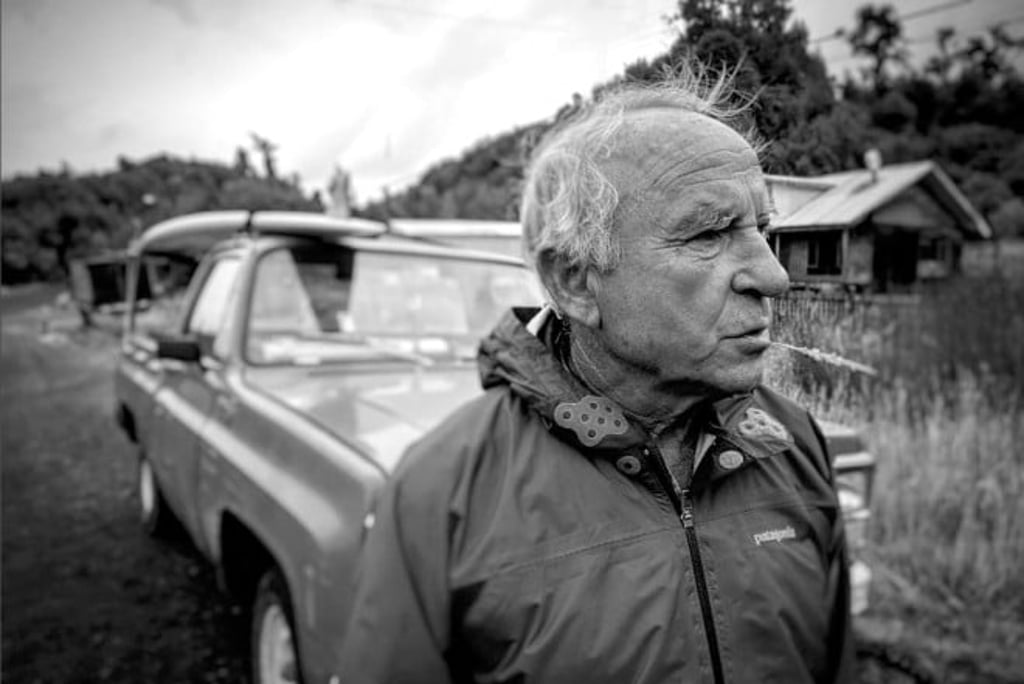
In 2022, Chouinard and his family transferred ownership to the Patagonia Purpose Trust and the nonprofit Holdfast Collective. The move ensured that profits — after reinvestment — would be used to protect nature and biodiversity. It was a radical act of corporate rewilding that redefined responsible business. Now, Patagonia reports to a new boss: Earth.
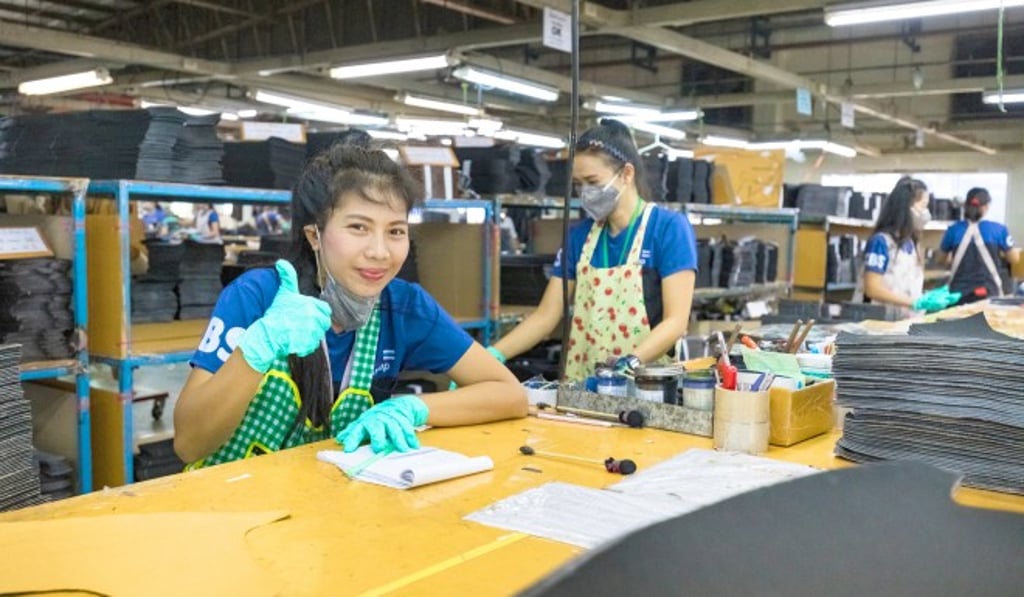
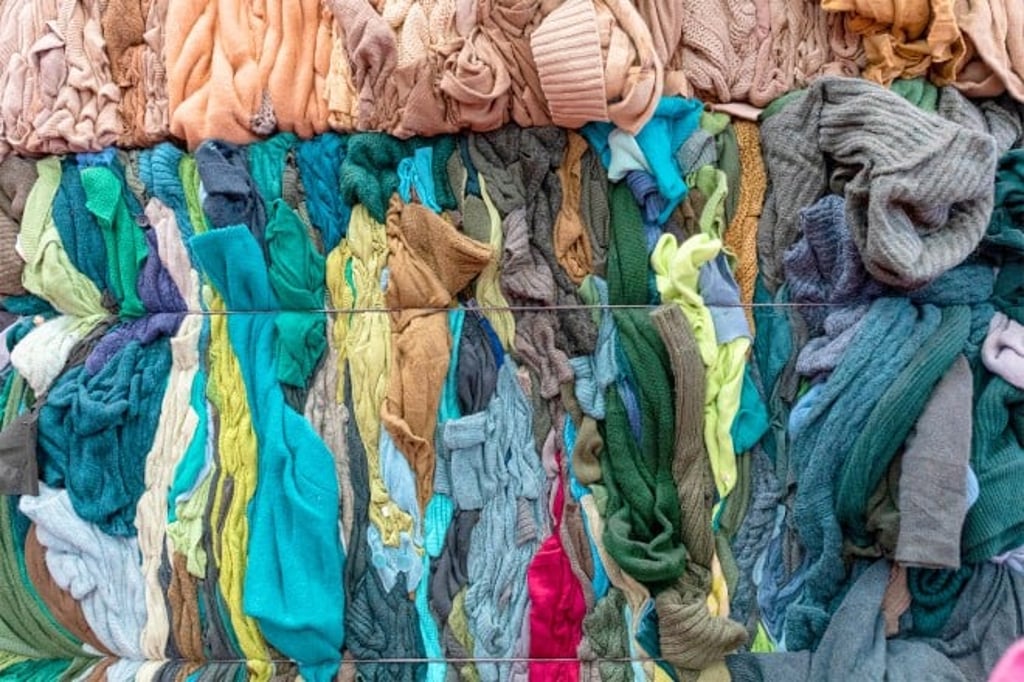
Yet for every milestone, the report acknowledges missed marks in its 2025 goals set 10 years ago. Patagonia fell short of making 100 per cent of products with preferred materials, reaching 84 per cent. Its aim for half of synthetic fabrics to come from secondary waste — such as post-consumer textiles or discarded fishing nets — remains distant, with only 6 per cent currently meeting that target. And while Fair Trade premiums are a step toward equitable compensation, the company admits that ensuring a true living wage across its supply chain remains “complicated”.
Perhaps most telling is Patagonia’s decision to abandon its 2025 carbon neutrality goal. The company concluded that neutrality, often achieved through offsets, doesn’t go far enough. It’s now aiming for net-zero emissions by 2040 — a more rigorous target that demands systemic change.
“Working for our new boss is tough,” the report states. “But we wouldn’t have it any other way. Because she gets it: Progress beats perfection.”
This ethos — of relentless experimentation and radical transparency — is what sets Patagonia apart. It’s not just about doing less harm. It’s about asking better questions, sharing imperfect solutions, and inviting competitors to join the climb. The company sees itself not as a finished product, but as an ongoing experiment in responsible business — a philosophy that echoes Chouinard’s belief that business should serve nature, not exploit it.
Giving back, giving more
Patagonia’s sustainability journey to do less damage and increase positive impact has never been a solo ascent. The brand continues to mobilise its global community — from outdoor athletes and creatives to scientists — as active participants in environmental change. Whether funding grassroots campaigns or hosting repair workshops, Patagonia sees its customers not just as consumers, but as collaborators in climate action.
Buying a Patagonia jacket isn’t just about technical performance. It’s about powering environmental activism, supporting workers, and investing in the planet. Each garment is stitched with intention — and a promise to do better.
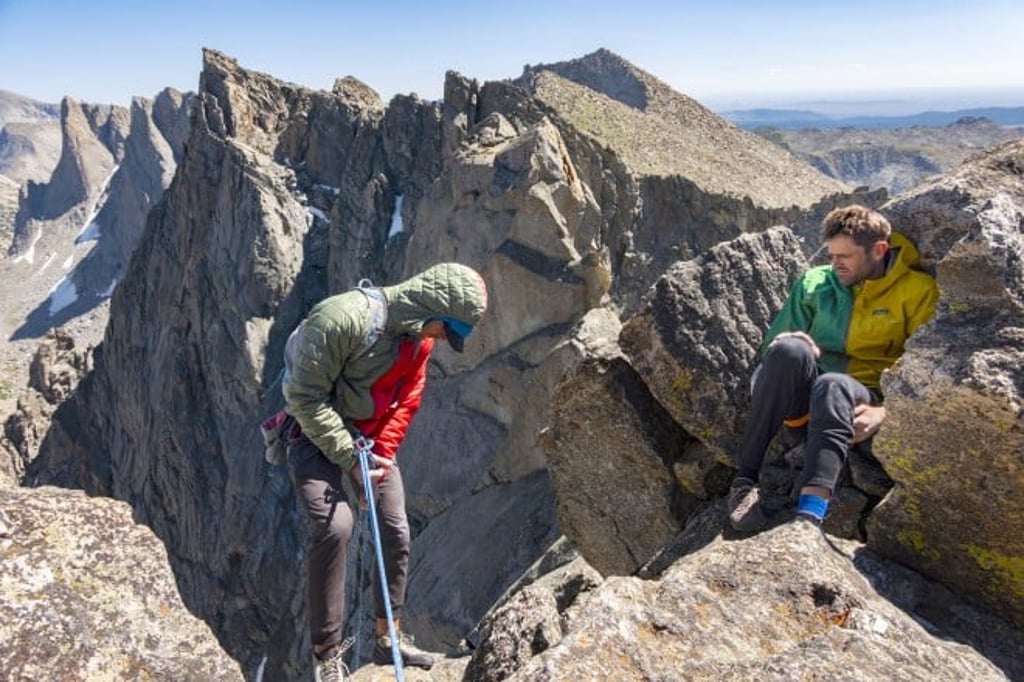
The company invites the community to read Work in Progress and take action. Patagonia’s greatest adventure may not be on a mountain peak, but in proving that business can be a force for good. And while the path is steep, the view — a healthier, more equitable planet — is worth the climb.