Peptide alchemy: here’s how fish-cell biotech transforms skincare
A deep dive into a biotech platform that isolates and cultivates fish cells to unlock the full spectrum of natural peptides for skincare, tracing both the underlying science and the journey from initial lab experiments to consumer-ready formulations

[The content of this article has been produced by our advertising partner.]
In a sterile, closed vessel at Avant’s Singapore production facility, a vial containing just milligrams of fish cells sparks a carefully controlled cultivation process. Within weeks, those cells multiply into kilograms of biomass.
After harvesting and washing, the team uses a non-chemical lysis method to break open the cells and retrieve every molecule inside.
“Some asked, ‘Why not just source fish collagen from an established supplier?’ Collagen is only one protein; it’s primarily a structural protein rather than a signalling protein,” says Carrie Chan, CEO of Avant.
“Collagen acts like the scaffold of a building, but it can’t call in the repair crews; by contrast, the peptides in ZelluGEN™ each play messenger roles, telling skin cells to ramp up collagen, build and align collagen fibrils and heal damage,” she explains with a simple analogy.
Among them is Fibulin, for example, a peptide that guides elastic-fibre formation and decreases sharply as skin ages. ZelluGEN™ replenishes Fibulin, along with hundreds of other peptides, all at once, she explains further.
“Our skin cells produce less Fibulin as we age and after UV damage, so replenishing collagen or just one or two peptides may have only a limited effect. Nature produces exactly what is needed. Each protein is unique and essential.”
Known as Zellulin® ZelluGEN™, this proprietary marine-cell extract contains hundreds of cell-identical peptides essential for the skin’s innate repair machinery, including Fibulin, Decorin, Lumican and Connective Tissue Growth Factor, to name a few, which are not available in the skincare active market.
Fish skin cells naturally produce a wide range of peptides biologically similar to those found in mammalian cells, but not in plant sources.
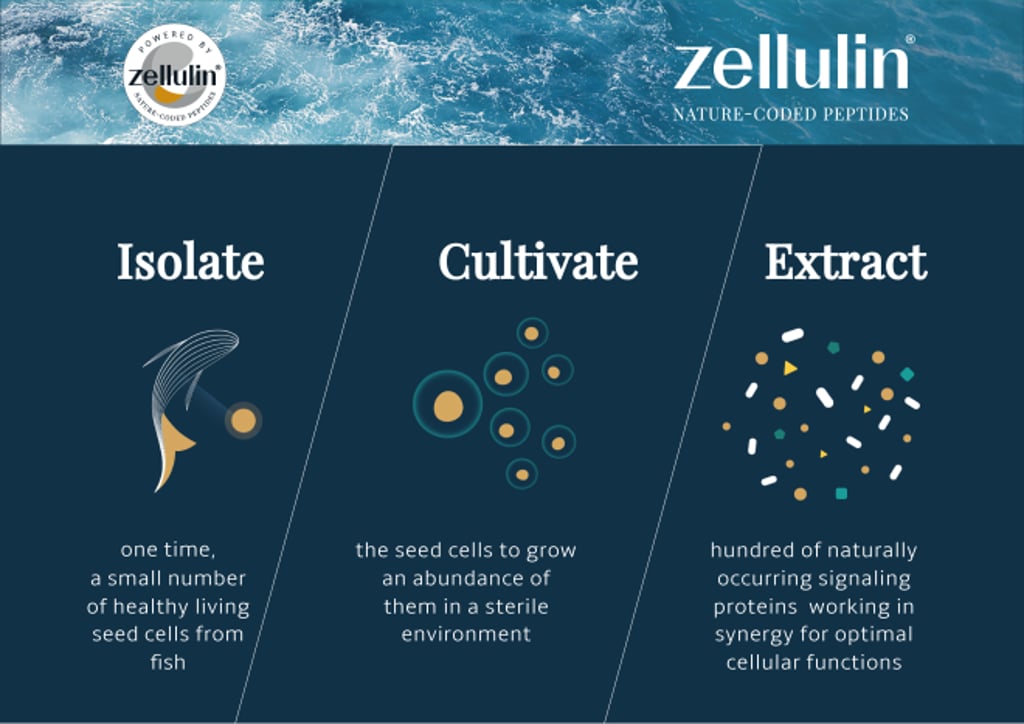
To understand how proteins speak the skin’s language, imagine amino acids as Lego blocks and our genes as the instruction manual. Cells stitch these blocks into proteins, many of which serve as messengers. Proteins are broken down into peptides small enough (typically<500 Da) to penetrate the skin’s outer barrier.
Peptides bind to receptors on skin cells like keys fitting locks, triggering processes such as collagen production and tissue repair. “They are like tiny letters sent to cells, docking at receptors that trigger rejuvenation, plumping and repair,” says Chan in another attempt to explain the complex biochemistry behind to the layman.
Synthetic peptides are not native to cells and may trigger only limited cellular reactions. In contrast, ZelluGEN™ includes the complete vocabulary of animal cells, ensuring every signalling pathway has its native messenger.
“We cannot obtain these peptides from plants either, simply because the biological make-up of animals and plants is completely different. For example, plants do not produce collagen.”
“When it comes to cellular signalling using peptides, both configuration and comprehensiveness are key. The holy grail is all peptides naturally made by animal cells, and that’s precisely what our triple-patented Zellulin® BioPlatform achieves.”
Chan notes that while most serums supply only one or two synthetic peptides, the Zellulin® BioPlatform delivers hundreds of cell-identical peptides to activate every signalling pathway the skin requires.
She describes ZelluGEN™ as “whole food for the skin” and likens it to nourishing your skin with nutrient-packed tonic fish broth in which every element works in harmony to ensure skin cells receive the complete spectrum of peptides they need.
And just as a broth contains amino acids, vitamins and micronutrients working together, ZelluGEN™’s full peptide spectrum acts in concert, amplifying each other’s effects in a way no single synthetic peptide can.
Avant’s earliest experiments took place on a modest bench in Hong Kong Science Park. “We took that biopsy like a pinch of sourdough starter – one cell split into two, two into four and so on; it flourishes if you nurture it correctly,” Chan recalls.
Cultivating marine cells without fishing or slaughter helps curb overfishing, improve traceability, yield pollutant-free ingredients and advance marine biodiversity, which supports United Nations Sustainable Development Goal 14: Life Below Water.
To harness deeper bioprocessing expertise and benefit from Singapore’s “30 by 30” policy support, the company expanded its operations there in mid-2021. At Singapore’s Biopolis, transitioning to a 50-litre single-use bioreactor marked a significant new phase.
“Overnight, our challenges changed,” Chan says. “We had to fine-tune stirring speeds, monitored dissolved oxygen in real time and perfected nutrient feeds. It became an orchestrated ballet of growth conditions.”
Extraction: preserving nature’s choreography
Releasing the peptides required gentle precision to preserve post-translational bioactivity, the chemical tags that instruct each peptide on how to bind and function.
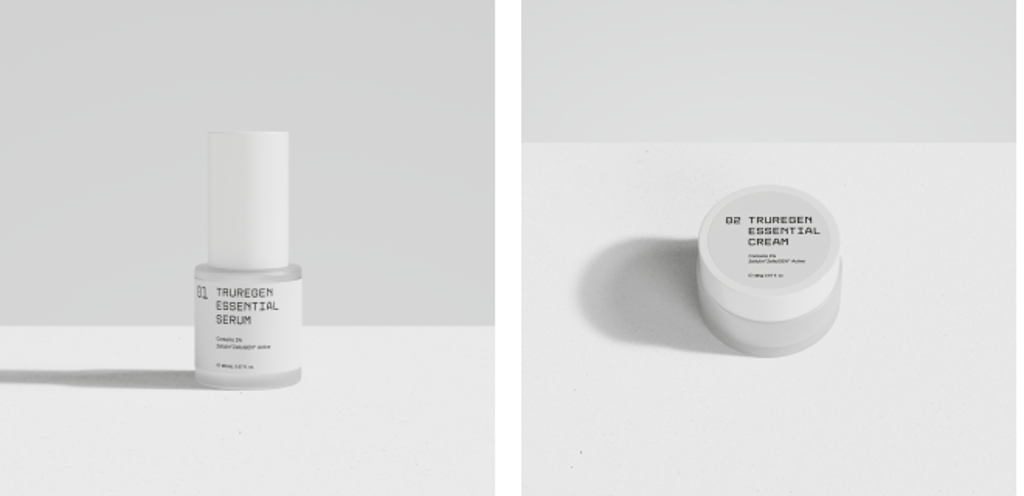
High-performance liquid chromatography coupled with tandem mass spectrometry, widely regarded as the gold standard for peptide profiling, confirmed that ZelluGEN™ retained hundreds of native peptides. These peptides are ready for formulation into serums and creams designed to penetrate deeper skin layers.
“The human mind can only grasp a few elements, much like isolating vitamins A, B, and C and overdosing out of greed. Nature’s choreography is far more complex than we can capture or replicate,” Chan acquiesces.
Real-world proof via clinical trials
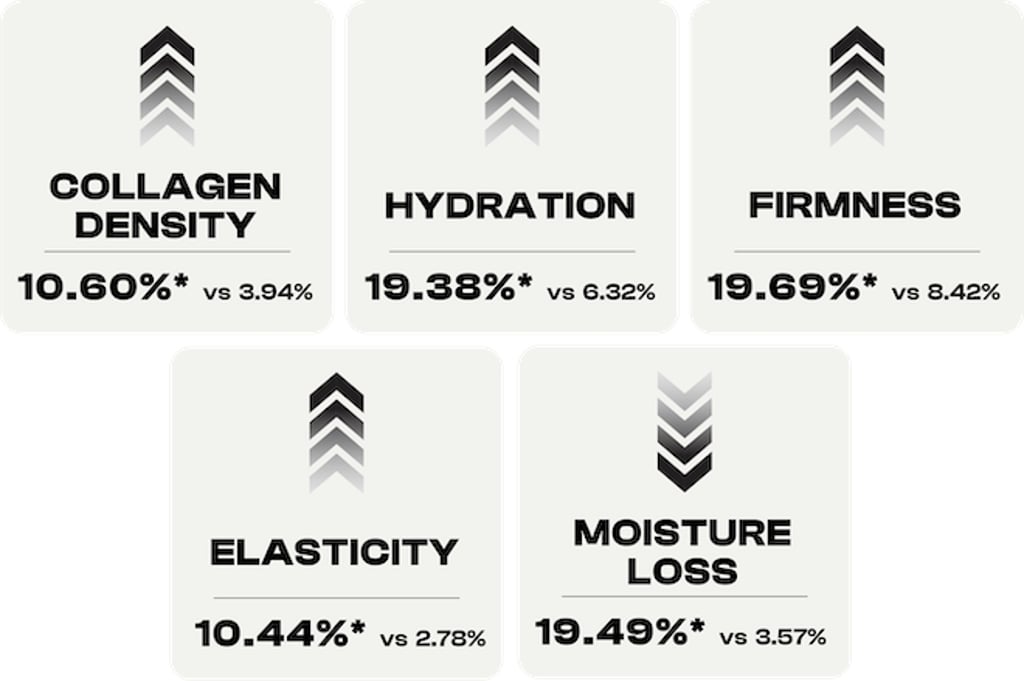
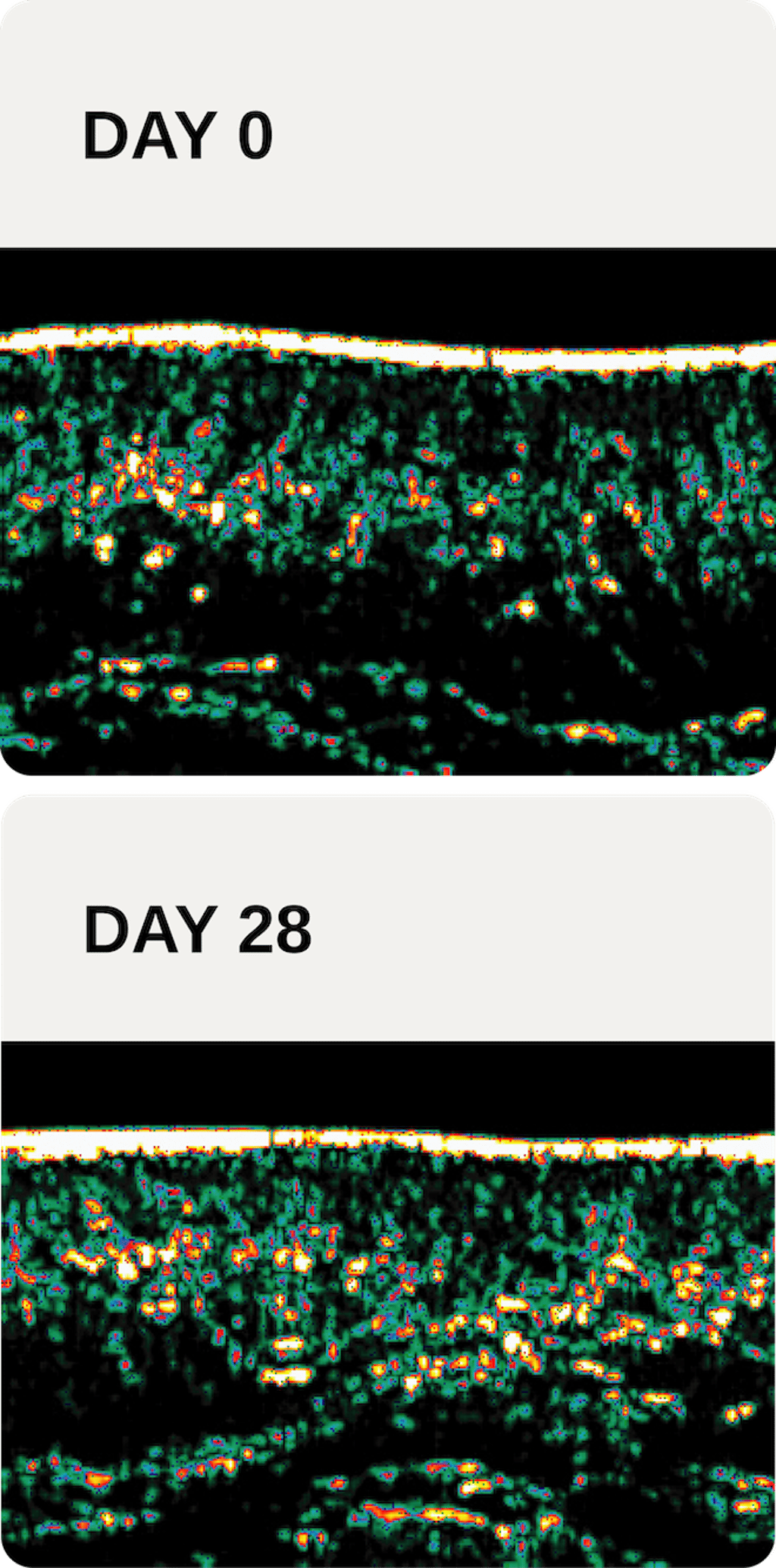
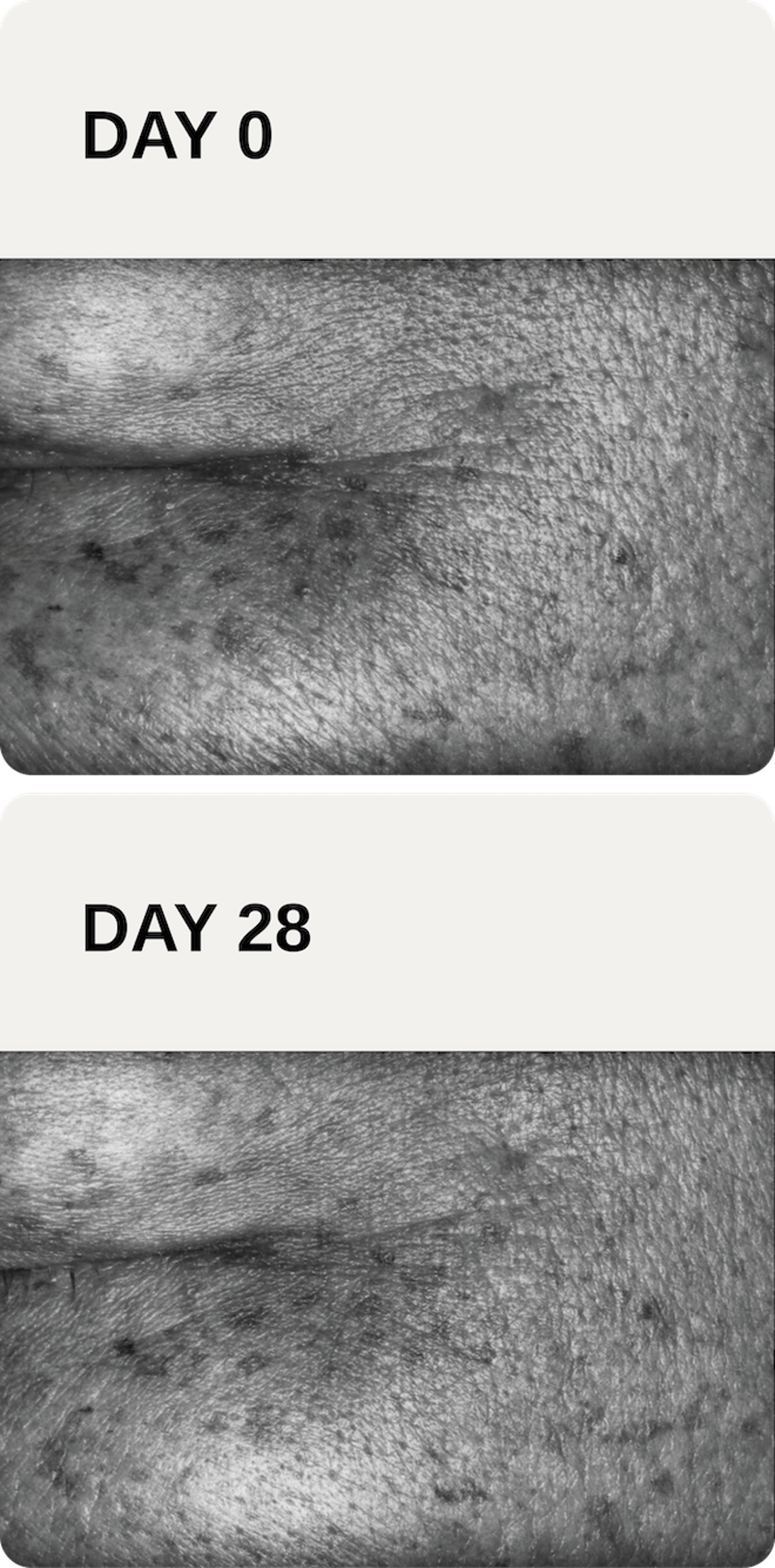
In a randomised, placebo-controlled clinical study by an independent lab, 60 women aged 30-55 used an eye contour cream for 28 days. Half received the test product containing 1 per cent ZelluGEN™, while the other half received a placebo.
Independent studies recorded a 10.6 per cent rise in dermal density after 28 days, a 19.38 per cent boost in hydration versus 6.32 per cent for placebo, a 10.44 per cent increase in elasticity compared to 2.78 per cent placebo, and a 19.69 per cent rise in firmness versus 8.42 per cent placebo.
Ethical sourcing underpins Zellulin® ZelluGEN™. After the initial biopsy, no further fish are required, and every batch can be traced back to its original cells.
“Our peptides are derived without relying on wild or farmed fish stocks, thus contributing to biodiversity and the ocean carbon sink, and that clarity and sustainability matter to customers who care about where their products come from and the impact of their purchase decisions.”
V‑Label, the globally recognised symbol for vegan and cruelty-free products based in Switzerland, has launched C-Label, the first globally registered symbol for next-gen, cruelty-free products made with cultivated cells.
ZelluGEN™ is the first C-Label certified skincare ingredient, meaning it is GMO-free, antibiotic-free, pathogen-free, heavy-metal-free and produced without any animal-sourced raw materials.
Beyond beauty, the same cell cultivation platform also promises innovations in cell-cultivated seafood with wild-like nutrition, cultivated leather free of animal hides and specialised peptides for wound healing or regenerative medicine.
“Once you have the technology to cultivate cells at scale, the possibilities multiply,” Chan says. “And for every testimonial – ‘my skin feels more supple, my pores appear smaller, my fine lines have faded’ – we know we’re on the right track. Combining nature’s wisdom with careful biotech benefits both our skin and our conscience.”