How Manulife Hong Kong and Mind HK are working to close the city’s mental health divide

[The content of this article has been produced by our advertising partner.]
One in seven Hongkongers lives with a mental health condition and waiting times to see a psychiatrist can stretch to years; the need for fresh solutions feels urgent.
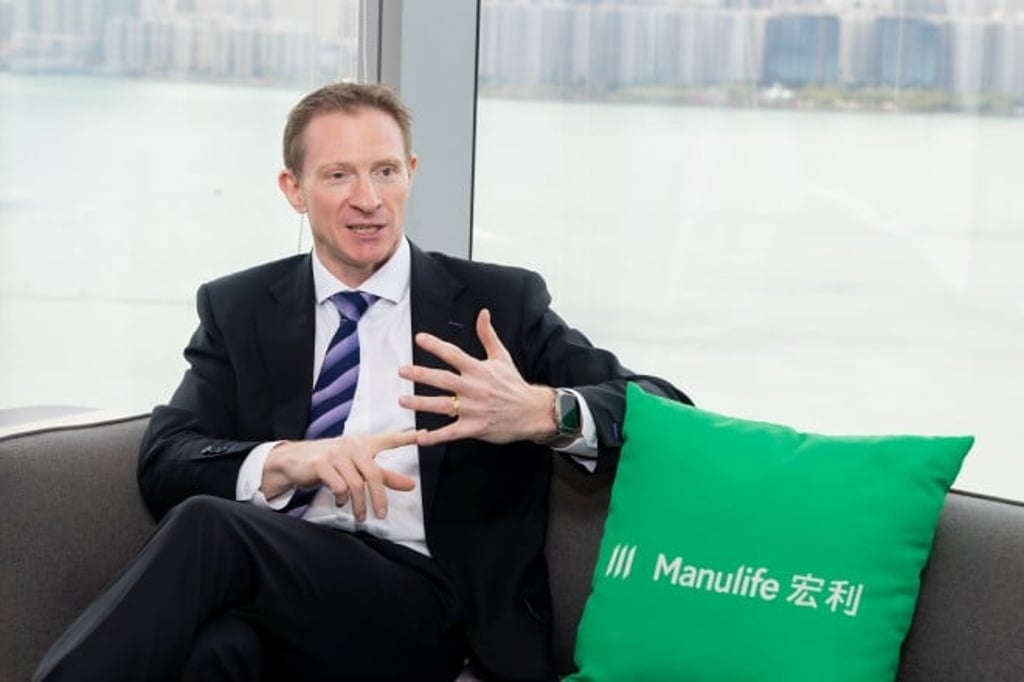
For Patrick Graham, CEO of Manulife Hong Kong and Macau, the issue is both moral and essential.
“Our stakeholders expect us to be part of the solution. Employees face mental health challenges, our customers experience them, and policymakers expect us to contribute positively to society. We can’t look away,” he says.
“Manulife wanted to increase awareness of mental health and improve access to early support. That aligned perfectly with our mission – promotion, prevention and early intervention,” she says.
Under the initiative, Manulife funds and co-develops programmes across the mental health spectrum, focusing on both community outreach and professional training.
One key initiative is the iACT® Alumni Network. The iACT® programme has already trained about 150 practitioners to deliver low-intensity psychological support for over 3,500 individuals experiencing mild to moderate distress.
The collaboration also supports continuous education and volunteer opportunities for these practitioners, ensuring that the growing alumni network can keep developing their skills while giving back to the community through real-world service.
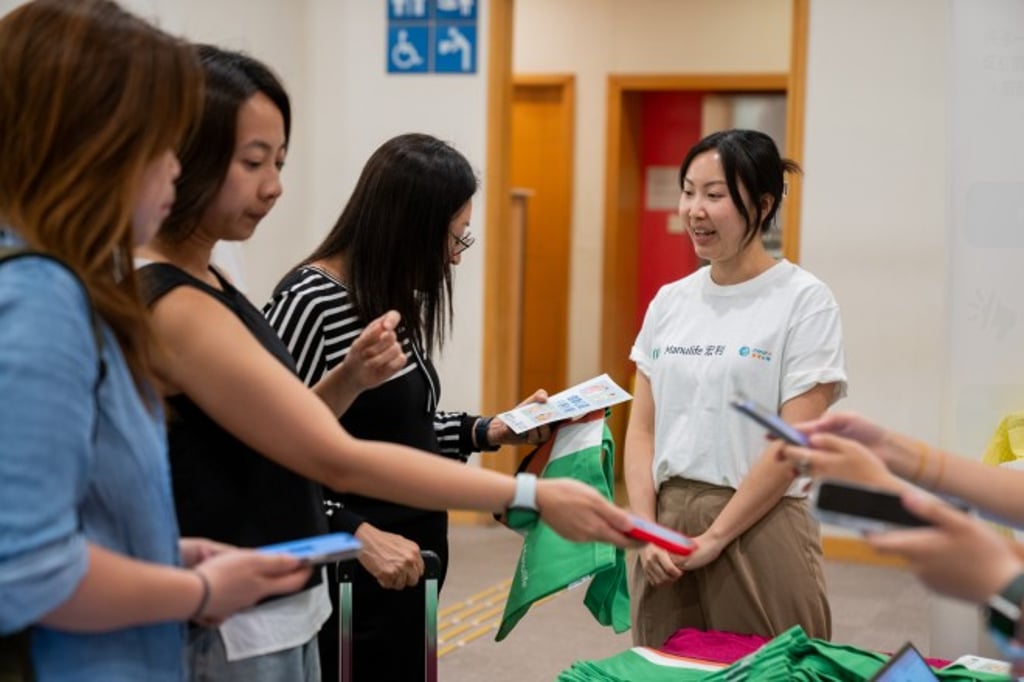
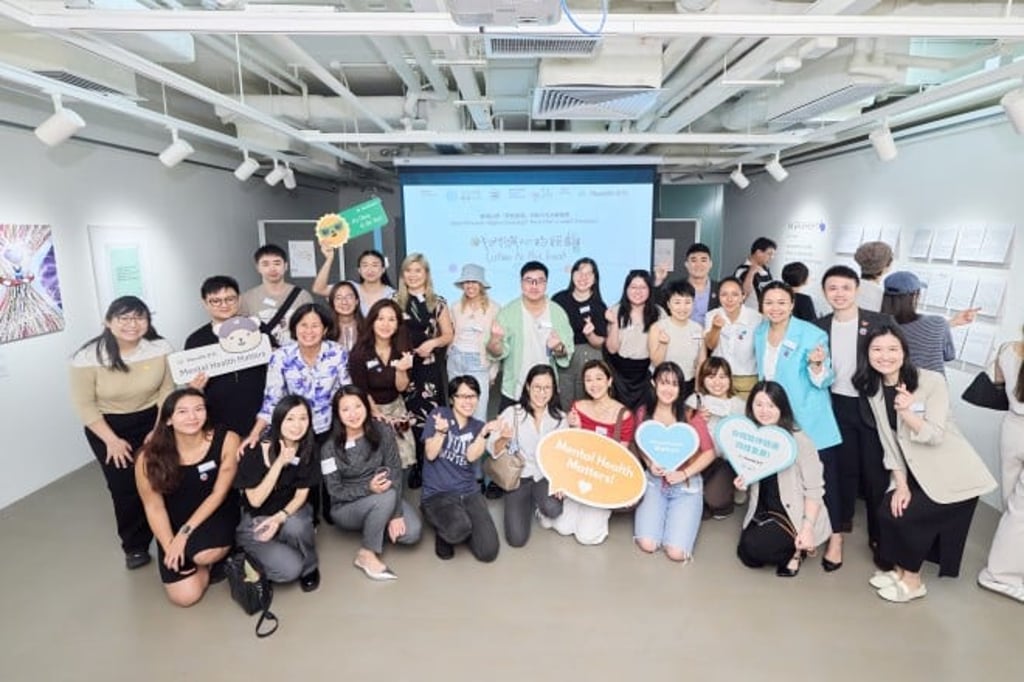
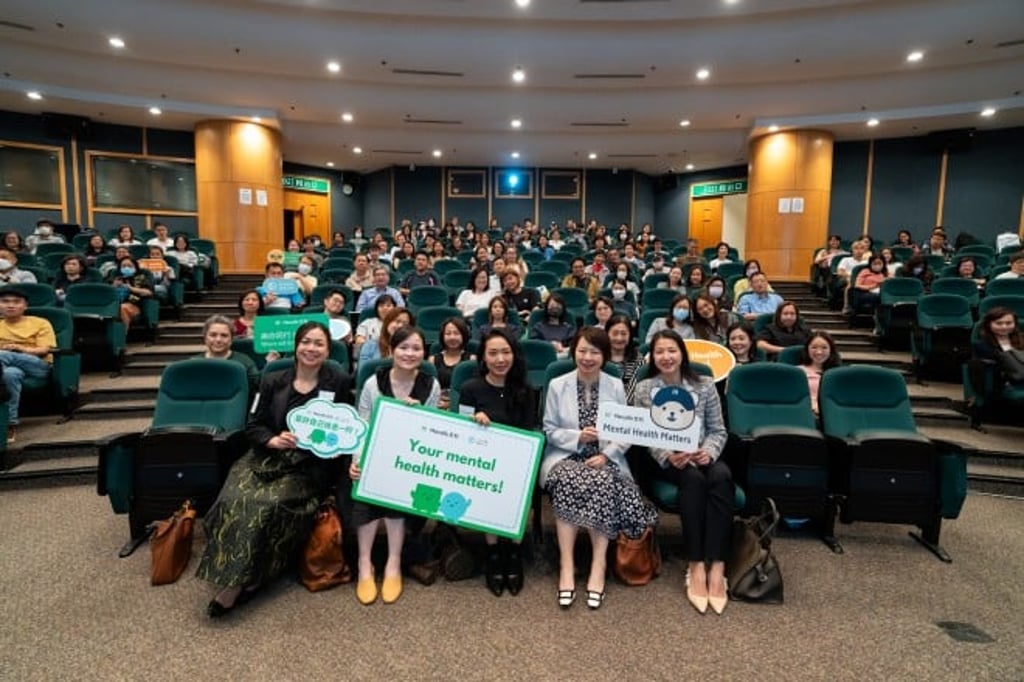
“Manulife’s involvement allows us to scale what used to be small-batch programmes into territory-wide impact,” Powell says. “We can now sustain training, outreach and anti-stigma work that simply weren’t possible before.”
Graham adds that the insurer’s motivation is deeply tied to its purpose.
“As a life and health insurer, our goal is to help people live better, longer lives, and that includes mental wellness. Physical health and emotional well-being are inseparable.”
Corporate awakening
Historically, insurance companies largely focused on tangible illnesses. But Graham believes that mindset no longer fits the times.
“It’s devastating to say this, but suicide is now one of the leading causes of teenage death in Hong Kong,” he says.
“Behind every number is a family torn apart and heartbreakingly, it even appears in our life-insurance data. The human loss is immeasurable, yet the financial impact is there too, a painful reminder of how closely they are intertwined.”
He says Manulife now views mental health not as a side issue, but as a corporate responsibility. As well as its community programmes, the insurer is exploring ways to support mental health awareness and training for the city’s licensed agents.
“These agents are often on the front line. They’re the first to hear when a customer is unwell or struggling. If they can recognise early warning signs, they could be a first line of defence – even help prevent a crisis,” Graham explains.
Living through life’s defining moments
An integral part of the collaboration is the Hong Kong International Mental Health Conference 2025, which Mind HK will host from November 6-8 at Hotel ICON with Manulife as headline sponsor.
This third edition – after 2017 and 2020 – will feature over 60 speakers and 70 partners, gathering clinicians, academics, educators and spiritual leaders under the theme “Navigating Life’s Defining Moments”.
“We want to show that mental health isn’t just about illness. It’s part of the human journey,” Powell says.
“From adolescence and relationships to parenthood or grief, everyone goes through moments that test their emotions. Talking about them should feel normal, not shameful.”
Two conference days will target professionals; the third will transform into a Mental Well-being Festival open to the public, with workshops, creative activities and KOL-led sessions.
“We want the festival to be playful,” Powell adds. “Something where people say, ‘Let’s go together’ – not because they think they’re unwell, but because it sounds fun and meaningful.”
Conference details:
- Dates: November 6-8, 2025
- Location: Hotel ICON & ReST Hub, Poly U
- Language: Nov 6-7: English; Nov 8: English and Cantonese (Cantonese/English simultaneous interpretation will be available for sessions in the ballroom)
- Website: www.hkmentalhealthconference.com
Breaking the stigma
Powell believes stigma remains the deepest obstacle.
“The pain from stigma can sometimes hurt even more than the illness itself,” she says. “That’s why we focus so much on anti-stigma campaigns and real stories. When people start speaking openly, others begin to listen and to understand in a completely different way.”
She often encounters teens who are bullied for being “different”.
“Sometimes they just lack social skills or confidence. Instead of empathy, they get labelled. Our job is to change that culture.”
Graham agrees that change begins with conversation.
“The easiest thing for a company is to stay quiet. But silence doesn’t help anyone. We want to normalise talking about mental health at work and in everyday life.”
Listening before helping
Asked how to support a friend with depression, Powell offers simple but profound advice.
“The first step isn’t to fix. It’s to listen. People with depression often feel that no one understands them. Just saying, ‘You must be feeling really hurt,’ validates their experience. That empathy can open the door to professional help.”
She points out that iACT® practitioners provide structured interventions precisely for those in the “grey zone” – people struggling but not yet diagnosed.
“They need somewhere to turn before things get worse. That’s what this network provides.”
Shared responsibility
Both leaders believe that Hong Kong’s mental health challenge requires cross-sector collaboration.
“The government can’t do it alone. Neither can NGOs or the private sector,” Graham says. “Partnerships are the only sustainable way forward.”
Powell adds: “We spend a third of our lives at work. Employers must make mental well-being part of ESG and staff development. It’s part of caring for your people.”
Towards a new culture of care
As the November conference draws near, both leaders hope it will mark a turning point for Hong Kong, moving from stigma to solidarity.
“This isn’t just about Manulife or Mind HK,” Graham says. “It’s about Hong Kong becoming a society where caring for our minds feels as natural as caring for our bodies.”
“If people leave the conference thinking mental health is everyone’s business, that’s success,” Powell echoes.