Recovery Plan for the Married Inspectors’ Quarters of the Central Police Station Compound

[Sponsored Article]
The recovery plan for Block 4 of the Central Police Station compound will see the conservation and revitalisation of the final heritage building at Tai Kwun – Centre for Heritage and Arts.
Hong Kong’s most-visited heritage site
Tai Kwun – Centre for Heritage and Arts is one of Hong Kong’s most exciting heritage and arts spaces. Opened in May 2018, it is the product of a ten-year collaboration between The Hong Kong Jockey Club and the Government of the Hong Kong SAR to conserve and revitalise the Central Police Station compound. In its first year of operation, visitation exceeded 3.4 million, making Tai Kwun Hong Kong’s most-visited heritage site. In 2019, it received the prestigious Award of Excellence in the UNESCO Asia-Pacific Awards for Cultural Heritage Conservation. Conservation of the final heritage building, the Married Inspectors’ Quarters (Block 4), was put on hold in May 2016 following a partial collapse. Since then, the project team has worked with local and overseas experts on recovery solutions in consultation with the Antiquities Advisory Board and other stakeholders. The proposed recovery plan aims to revitalise Block 4 as a visitor centre and arts and cultural space in line with the conservation approach for the whole compound.
Adaptive reuse of Block 4
The recovery plan calls for substantial structural strengthening of Block 4, with the collapsed part being rebuilt as a new annex with a modestly discernible façade that is respectful of the heritage fabric. Strongly referencing the extant portion, the façade will be built of brick but in a lighter colour and oriented at an angle to differentiate it from the surviving facade. A balcony on the second floor facing the Parade Ground, which is damaged and unsafe, will be rebuilt with new materials. The ground floor will house Tai Kwun’s Visitor Centre and Main Heritage Gallery, which will be relocated from the Barrack Block. This will provide the main interpretative venue for the site, guiding visitors through its rich heritage and adaptive reuse. The first and second floors will be used for exhibition spaces, cultural and public functions.
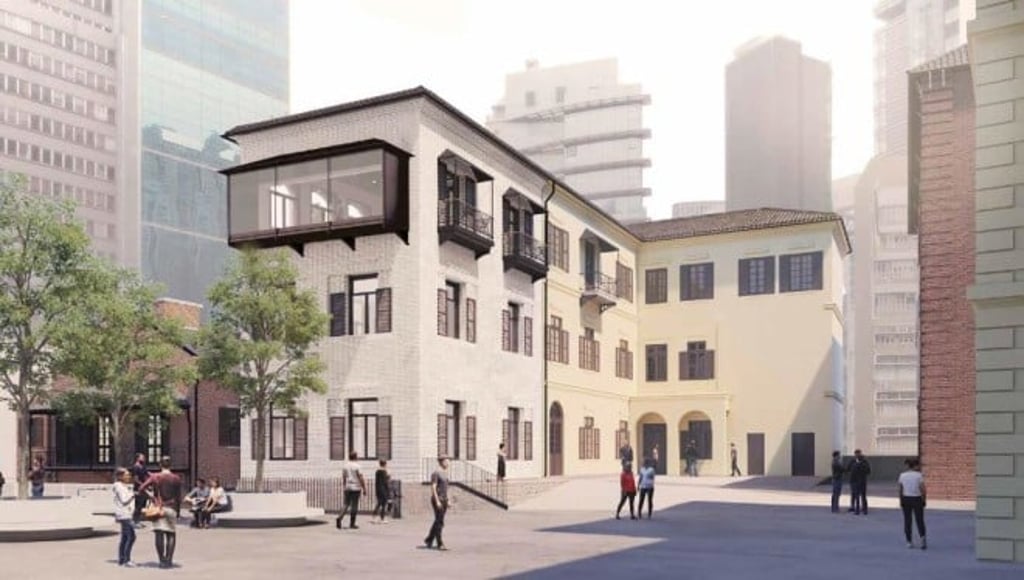
Rigorous safety and conservation standards
Throughout the recovery planning stage, the Club has followed its key guiding principles for conservation, namely safety, authenticity, and the integration of old and new architecture. In particular, the Club is mindful of the principle of “changing only as much as necessary and as little as possible” as defined in the Burra Charter for the conservation of heritage places. Conscious of the paramount importance of safety, and of the need to comply with modern building safety standards, the Club commissioned overseas masonry specialists and timber structure experts to conduct a detailed inspection of Block 4. They concluded that its brickwork and timber structures are in poor condition and very extensive structural reinforcement will be needed to ensure the safety of workers, staff and visitors during restoration work and beyond.
Authenticity is key
To maintain an authentic look and feel, key architectural features like the facade of the extant part will be conserved. Though some elements will be removed to meet modern building safety standards, salvaged materials will be reinstated or reused wherever possible to help mitigate losses and to facilitate the interpretation of Block 4’s history in the future.
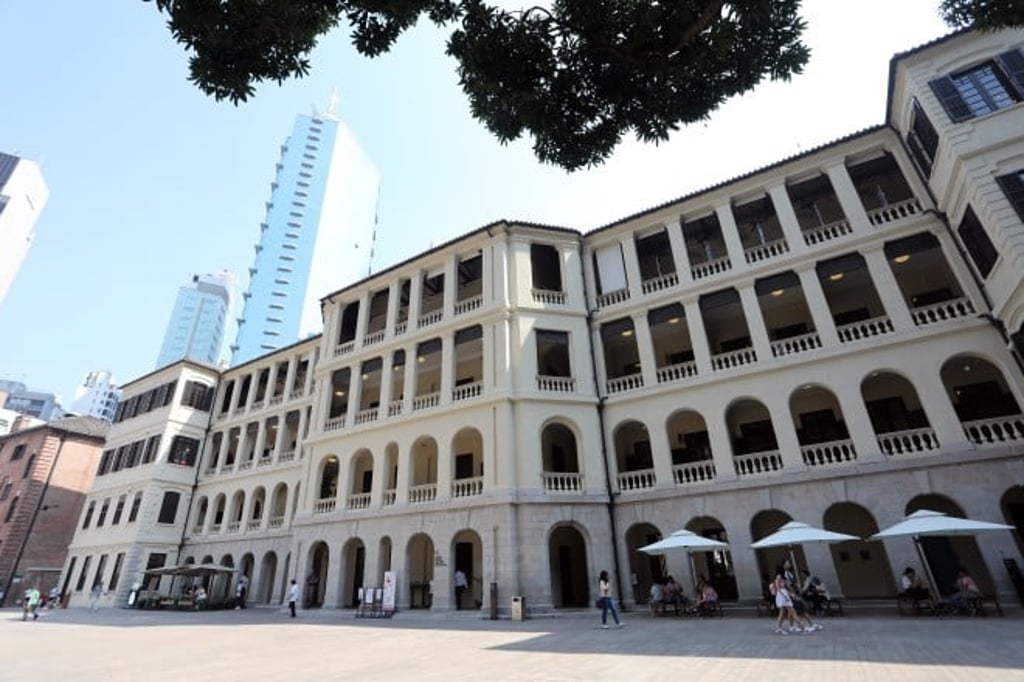
Integration of old and new gives a new lease of life
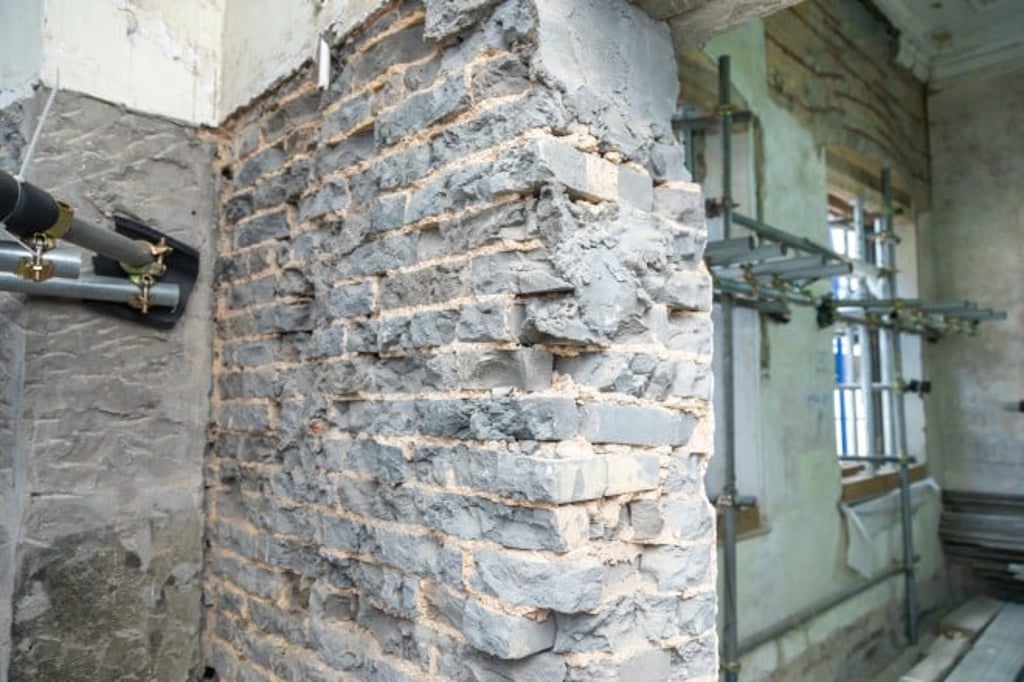
Striking a balance
Heritage conservation and revitalisation are not only about preserving historic buildings that are no longer needed for their original purpose, but about adapting them for modern use in a sustainable manner. The recovery plan for Block 4 seeks to strike a respectful and sensitive balance between the vital issue of public safety, the need for authenticity, and the integration of old and new. In doing so it also tells a visual story about the partial collapse of Block 4 and the challenges that face all conservation and revitalisation projects.