Hong Kong Breast Cancer Foundation steps up action to help families in need
- The organisation is supporting women through Breast Health for Life and a new lymphoedema programme, both funded by The Hongkong Bank Foundation
- HKBCF aims to reinforce the importance of breast health and increase awareness of lymphoedema, a common side effect of breast cancer treatment

[Sponsored article]
Breast cancer is the most commonly occurring cancer in women, according to the World Cancer Research Fund, and a daunting illness where stigma and fear can still impede care. But a home-grown organisation is determined to change that.
The Hong Kong Breast Cancer Foundation (HKBCF) was the city’s first non-governmental organisation dedicated to education and support for breast health when it was established in 2005. HKBCF manages two community-based Breast Health Centres in Hong Kong, in North Point and Kowloon, offering comprehensive services for underprivileged women.
According to HKBCF, 4,761 women in Hong Kong were diagnosed with breast cancer in 2019 – a three-fold increase from 1994 that now makes it the most common cancer affecting women in the city.
“Compared to colorectal cancer and lung cancer – two other common cancers in Hong Kong – the increase in cases of breast cancer has been far more significant,” says Grace Chung, head of Breast Health Centres for HKBCF.
In a recent survey by the organisation, more than 60 per cent of women had never had breast X-ray screening, and 20 per cent said they did not have regular check-ups.
“We definitely felt the challenge,” Chung says. “But if you look at the numbers, we saw a rise in early-stage cancer in 2019 – signifying early detection. More women know they need to protect and take care of their health. That is a small improvement.”
One factor contributing to the early discovery of breast cancer is HKBCF’s Breast Health for Life campaign, which is supported by HSBC’s charity, The Hongkong Bank Foundation.
The five-year programme aims to provide free mammograms for 8,400 low-income women over the age of 40 by the end of this year.
Chung says the cost of a mammogram in the private sector and the fear that breast cancer could lead to a single or double mastectomy, combined with the “it won’t happen to me” mentality, have deterred women for decades from screening their breasts.
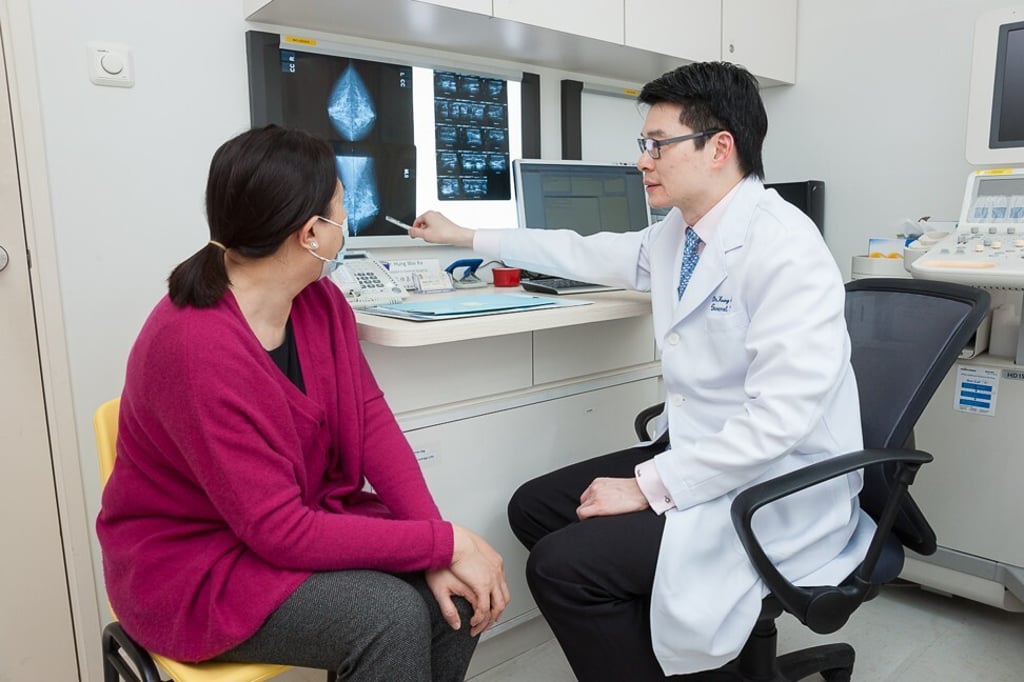
“Mammograms are a way to help detect early breast cancer symptoms. Instead of going for a body check only after feeling a lump in their chests, these women could be diagnosed early on – at stage 0 to 1, boosting their chance of recovery and largely reducing the pain and scale of treatments,” Chung says.
Since 2017, funding from The Hongkong Bank Foundation has provided free mammography for about 6,500 women and has helped identify around 120 cases of breast cancer.
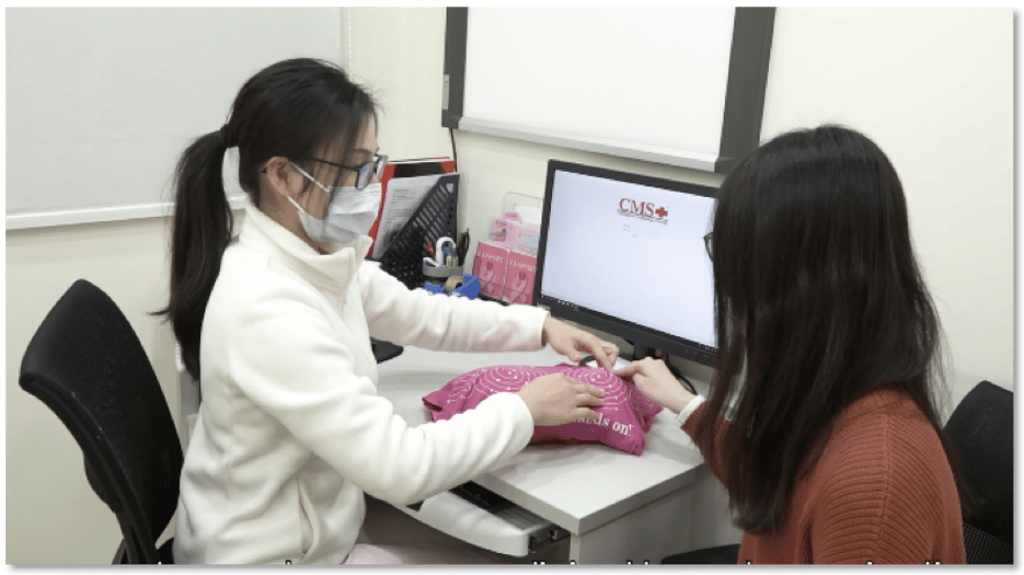
Screening and detection is just one of the many services provided by the Breast Health Centres. The facilities target low-income families who may not be able to afford an ultrasound or find an affordable doctor following diagnosis; the funding allows the centres to follow up progress and help the patients on their journey, says Agnes Chan, general manager of HKBCF.
HKBCF has reached more than 210,000 people and screened almost 100,000 women, who also receive aftercare and advice. “From our experience, we are a one-of-a-kind NGO in Hong Kong providing comprehensive care to cancer patients. From prevention to education, and care to treatment, we are like a one-stop shop for helping breast cancer patients,” Chan says.
But what goes largely unnoticed is that breast cancer patients often require long-term care even after being successfully treated for the disease.
Lymphoedema is a side effect of breast cancer, which affects about one-third of patients. The condition can become chronic when the lymphatic system does not function properly, but care for the condition is critically underserved, according to HKBCF.
Breast cancer treatment sometimes results in the removal of part of the underarm lymphatic system. “It is like reducing three highways into one – resulting in traffic congestion in your body,” says Doris Cheung, head of Breast Cancer Support Centre for HKBCF.
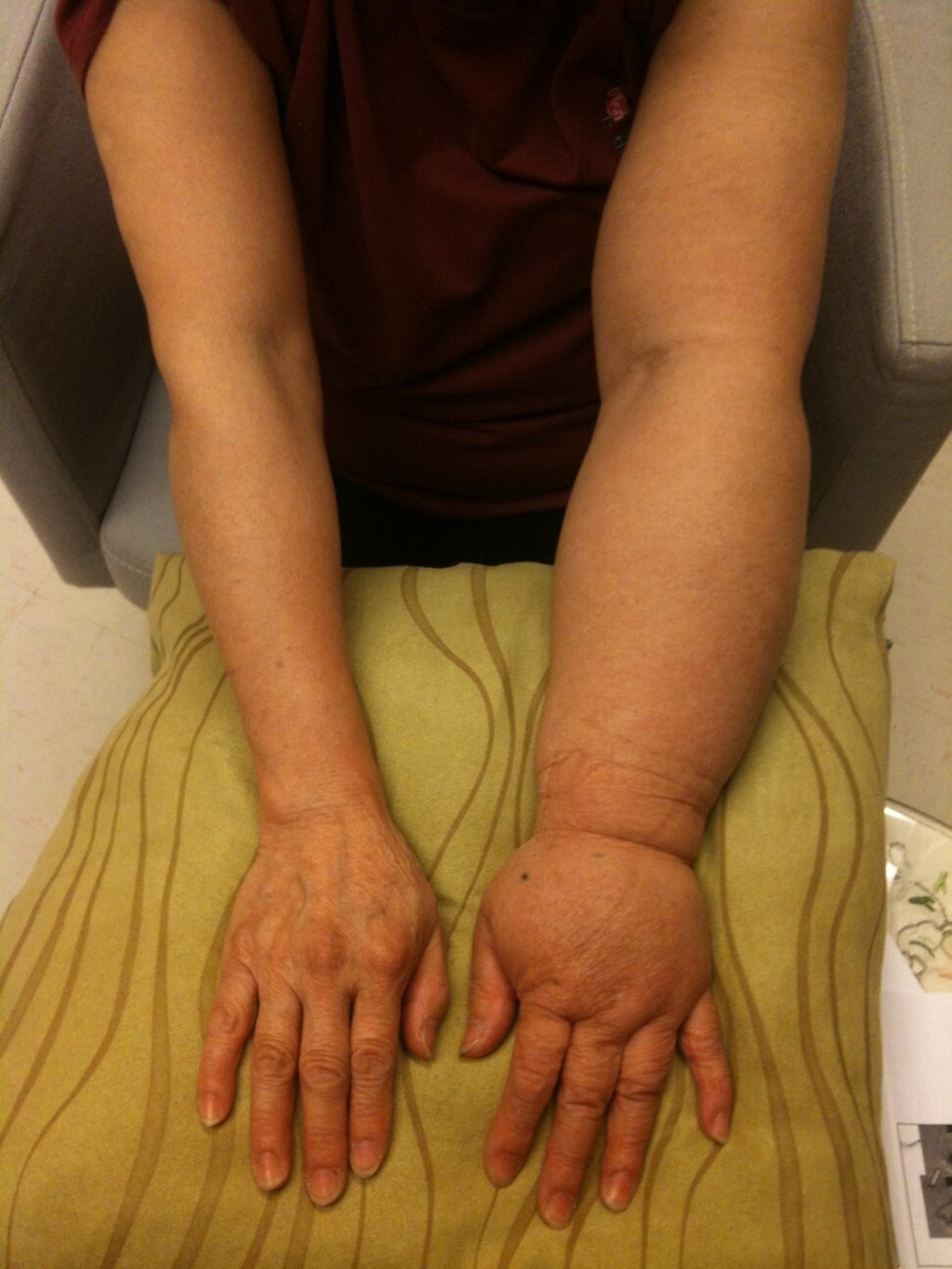
Lymphoedema patients can suffer from swelling and pain in their arms, which if left unchecked may swell and develop into cellulitis, a bacterial infection under the skin.
In addition to physical discomfort, lymphoedema can also cause mental stress as a result of stigma and a general lack of understanding of the condition, Cheung says.
HKBCF was the first non-profit organisation in Hong Kong to provide lymphoedema care, offering it since 2010.
“I remember helping a 75-year-old patient,” Cheung says. “Her lymphoedema condition had affected her for years, and her family tried many things before seeing our website.”
The patient’s lymphoedema index was found to be 27 times higher than that considered normal, and her arm was swollen to twice the size of her thigh.
Instead of a usual one-time treatment – where the centre teaches patients about self-drainage, exercises and dressings using bandages – Cheung tailor-made five treatments for the patient.
“After the treatments, her index dropped from 270 to 26. Her arms looked about the same size. It was a huge improvement,” Cheung says.
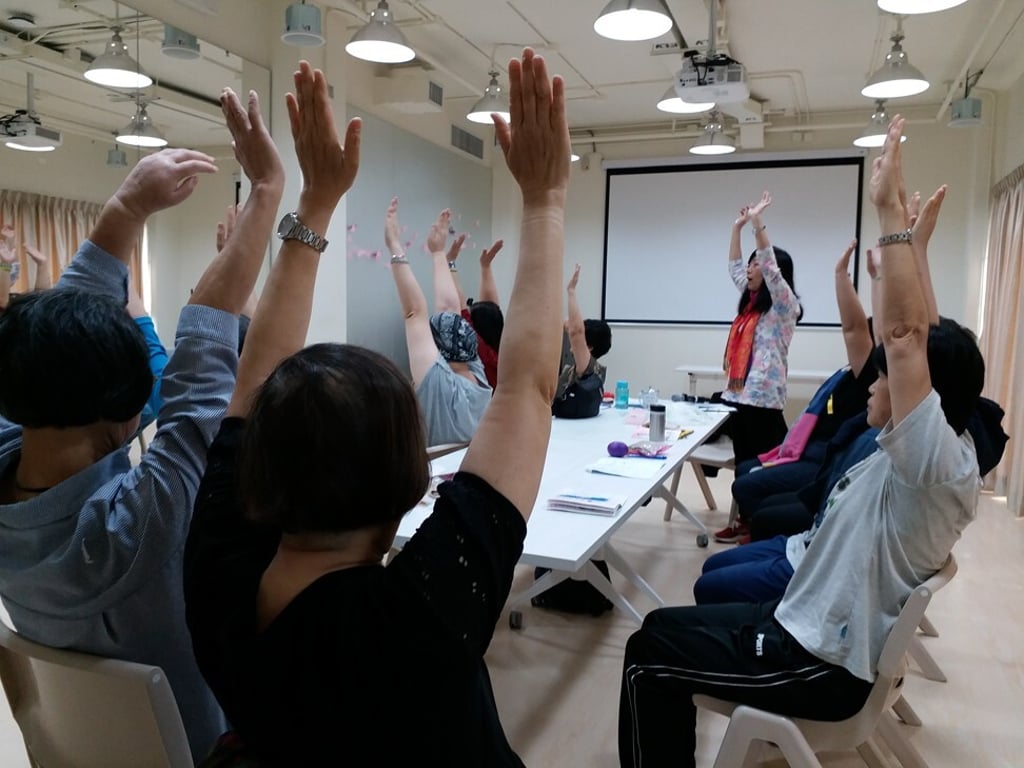
Lymphoedema care can be a long-term journey, so families are taught the necessary skills to help patients. HKBCF provides support groups and ambassadors, who work closely with patients and nurses, ensuring each patient is following through with the exercises and at-home treatments.
In October last year, HKBCF launched the Comprehensive Lymphoedema Programme, an outreach initiative funded by The Hongkong Bank Foundation for patients too weak to visit the centres.
“HKBCF doesn’t only help the patients, but also their families. To share the smiles and the happy tears of the patients and families – it touches everyone,” Cheung says.