
[Sponsored Article]
The outbreak of COVID-19 has brought to the forefront ongoing issues stemming from gender inequality. At a global level, the employment loss for women stands at 5.0 per cent in 2020, versus 3.9 per cent for men. It is an alarming gap that people in the community should stand up for gender equality which not only brings businesses the commercial benefits, but also improves the life satisfaction of residents – both men and female – in the society.
Many businesses around the world have been actively driving gender equality through building up a diverse workforce and adopting an open and equitable framework including pay equity. Nonetheless, data shows that gender equity still was not a priority for 70 per cent of businesses worldwide.
As a leading bank in Asia, UOB is committed to being an equal opportunity employer. The Bank has in place a meritocratic performance-based talent recruitment and management framework to ensure that roles are given to the most suitable candidate, regardless of gender.
At latest count, women make up almost 62 per cent of UOB’s 26,000-strong workforce. They hold 35 per cent and 52 per cent of senior and middle management roles respectively. Of the ten heads of department reporting directly to UOB’s Chief Executive Officer, four are women. Last year, 60 per cent of the promotions earned went to women.
UOB not only strives to create a gender-balanced workforce, but focuses on the fulfilment of its people through professional development. The Bank wants all of its people to succeed in their careers through learning and development opportunities.
UOB’s duty of care for its people goes beyond professional advancement to focus on personal well-being. In addition to medical and wellness benefits, UOB enhanced its mental wellness programme through webinars and online fitness classes during the pandemic to minimise the sense of isolation and anxiety in the midst of the global pandemic. It also fosters a sense of belonging among its employees through its improving employee engagement.
The efforts in driving a diverse workforce have been recognised by the industry. Last year, UOB was named one of the 'Leaders for Women' in the banking sector by Asiamoney. The Bank has also been listed on the 2021 Bloomberg Gender-Equality Index for the third year in a row in 2021. These external awards are a testament to UOB’s commitment to maintaining an inclusive workplace and to the Bank’s value-based and meritocratic culture that reflects fairness, and care and respect to its people in the workplace.
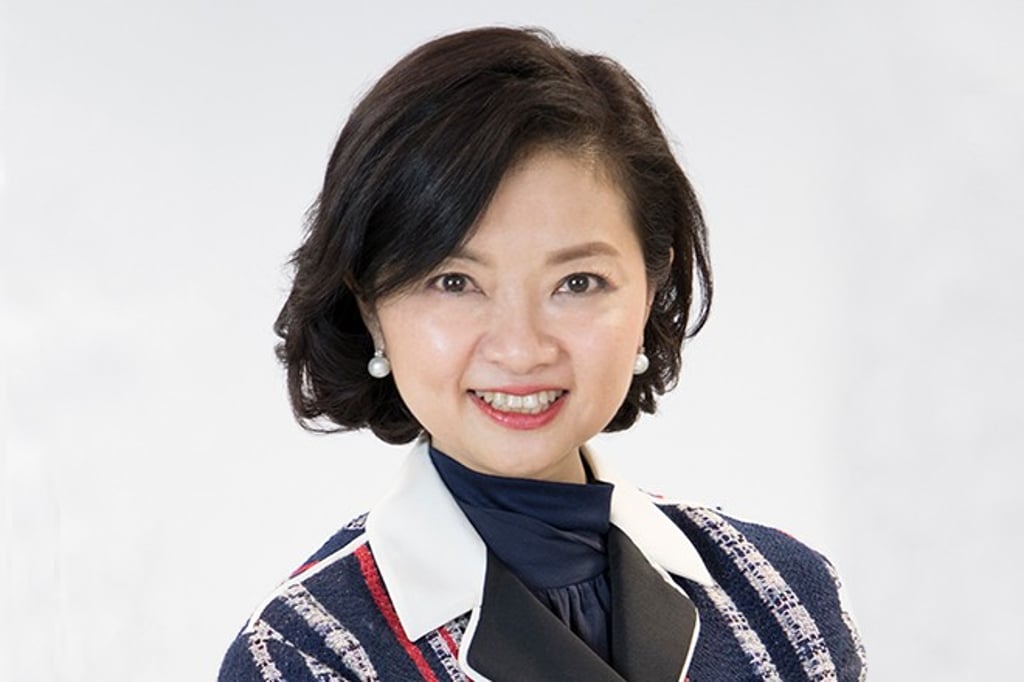
Mrs Christine Ip, CEO – Greater China, UOB, said, “Having worked at UOB for a decade, I have personally felt empowered every step of the way as I have grown my career at the Bank. All leaders, regardless of their gender, are motivated to reach their highest potential. The Bank’s pursuit of always doing what is best for the customer frees us to challenge the status quo, to push the boundaries and to create safer and more customised banking solutions for our customers. As a Bank with an extensive footprint across Asia, we also have the privilege of working alongside and learning from colleagues from diverse backgrounds and who bring with them different skillsets and perspectives.
“Championing a diverse workforce starts with hiring and is fully realised through the company’s culture. In the Greater China region, our diversity and inclusion blueprint covers four areas of work. First, we have an inclusive recruitment approach in our hiring systems to ensure a pipeline of diverse candidates. Next, we are committed to fostering an encouraging and equitable environment for diversity by combating invisible and often undetectable biases in organisational systems.
“The other two areas of work are growing women into leadership roles and encouraging empathy among leaders. Having different perspectives and views strengthens conversations, broadens considerations and focuses priorities at the decision-making table. Empathetic leadership is also key in building a culture of respect, trust and inclusivity in the workforce. These efforts enable us to shape better policies and to grow our business sustainably.”
According to a study by McKinsey Global Institute, companies in the top quartile for gender diversity on executive teams were 25 per cent more likely to have above-average profitability than companies in the fourth quartile. While prioritising gender equality can help businesses stay sustainable, it can also benefit the society as a whole and presents a way towards building a better and more satisfying life for all. It is time for us rise the tide in order to lift all boats.