Sustainable innovation transforming business

[Sponsored Article]
A full appreciation of the importance of innovation and sustainability has become essential for success in the world of business. Simply put, every company must be ready to adopt tools and implement policies which allow them to sustain business, upgrade operations, reinvent services, and play their part in creating a greener environment.
A consumer-centric company listens to all stakeholders, which helps to define their approach and lets them achieve long-term value while minimising any negative aspects associated with their products, operations and supply chain.
Sustainability and innovation are no longer just an item on the boardroom agenda. And, as things now stand, any organisation that is slow or reluctant to transform itself is destined to lose ground.
To understand what's happening and why, the August 24 webinar in the SCMP Conversations series considered these new norms and gave panellists the opportunity to discuss the impact of innovative technology, sustainability strategies and inventive thinking.
The UN’s sustainable development goals (SDGs) have guided PMI in devising targeted business solutions. This helped in assessing priorities, finding ways to limit environmental impact, and engaging in dialogue with shareholders and the wider community. As part of an ongoing process, PMI is committed to playing their part in making the UN SDGs become a reality and aligning those goals with their business sustainability strategy.
Beginning with better allocation of resources, they are also anticipating emerging issues and seeing technology and innovation as an opportunity for growth. And they stress the importance of regular reporting, transparency, and spreading the message about sustainability as a basis for better overall performance.
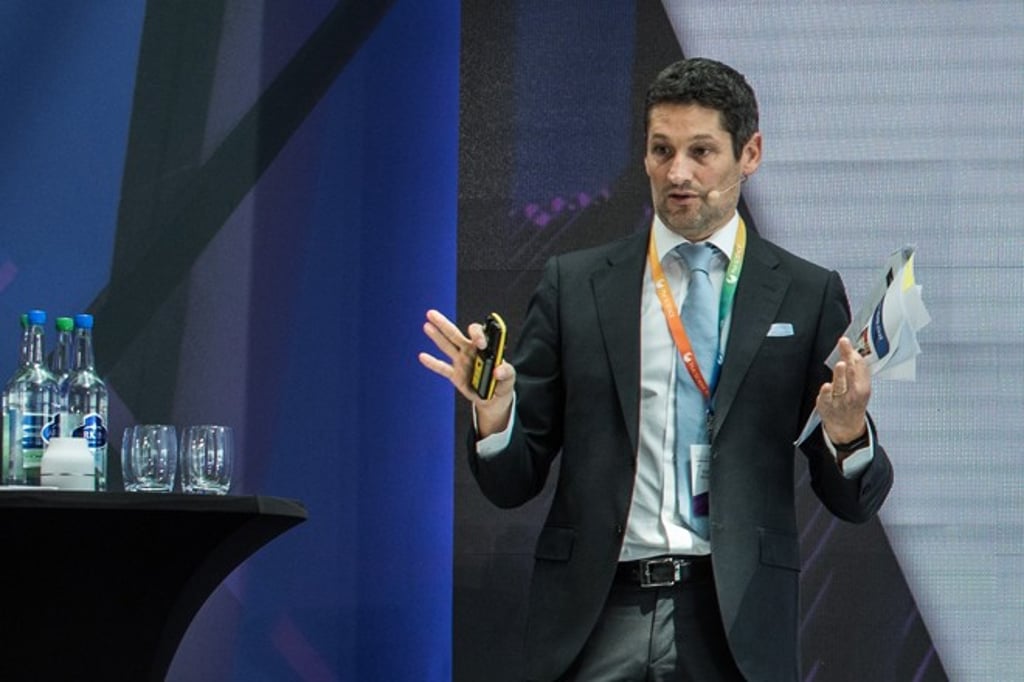
“Moving from a product that is relatively simple to something that is based on technology and deeply rooted in science is a big cultural shift,” Di Giovanni said. “No other company has undergone this kind of disruption from inside out. But this is not a transformation we can achieve alone. We need scientists, academics, government, and competitors to work altogether. We believe the right mix of government leadership and commercial initiative will dramatically accelerate efforts to reduce the harm caused by combustible smoking. And it should be sensible and based on principled pragmatism rather than by entrenched ideology.”
Of course, the coronavirus outbreak has added a whole new dimension. “The Covid-19 pandemic has forced us to think about new solutions and reinvent models,” Di Giovanni said. “But it also strengthened us in our belief that we are going in the right direction as the pandemic has highlighted the importance of science and the accurate and non-misleading communication of information.”
The other participants in the webinar were Natalie Chan, managing director of PIE Strategy; Donald Low, director of the HKUST Institute for Emerging Market Studies: and Michael McComb, vice president, communications and sustainability, SAP Greater China. The moderator was Winnie Chung, editorial director, specialist publications, for the South China Morning Post.