S+ Summit cum Expo 2025 calls for integration of social impact into business strategy
- Business meets purpose as companies are invited to co-create a more inclusive and resilient future

[The content of this article has been produced by our advertising partner.]
ESG reporting should not be seen as just a compliance exercise. For businesses seeking resilience, relevance and long-term value, it's time to make social impact part of the core strategy.
That’s the key message of the S+ Summit cum Expo 2025, where Hong Kong’s business leaders, social innovators, and community builders will converge to reimagine how cross-sector collaboration can drive both profit and purpose.
Taking place on 20-21 May at the Hong Kong Convention and Exhibition Centre, the S+ Summit cum Expo is Hong Kong’s largest cross-sector platform dedicated to sustainable development and social service innovation.
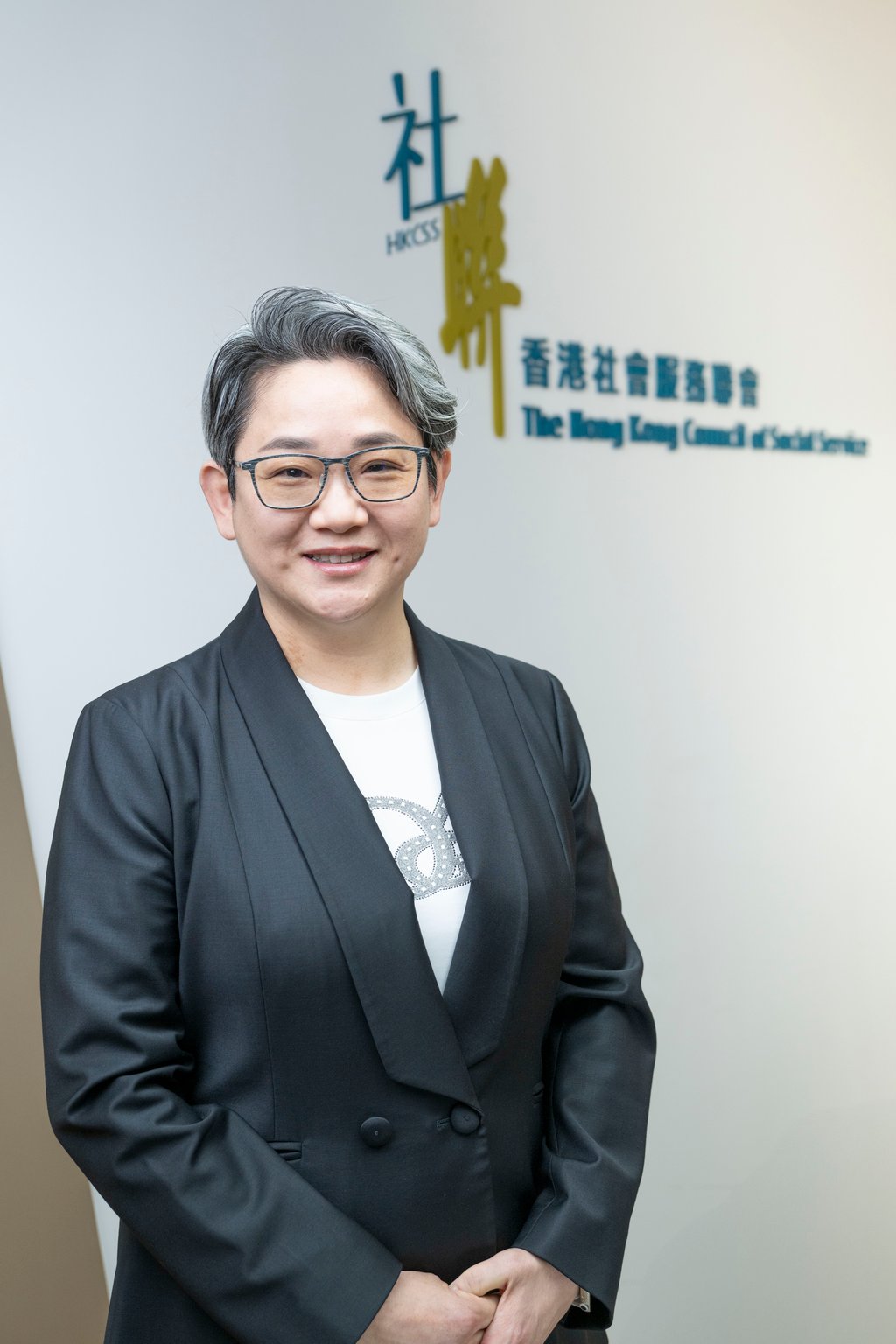
This year's theme, centred on the "Three S's" – Synergy, Social Impact and Sustainability, seeks to shift the narrative from traditional corporate social responsibility (CSR) to genuine co-creation and systemic change.
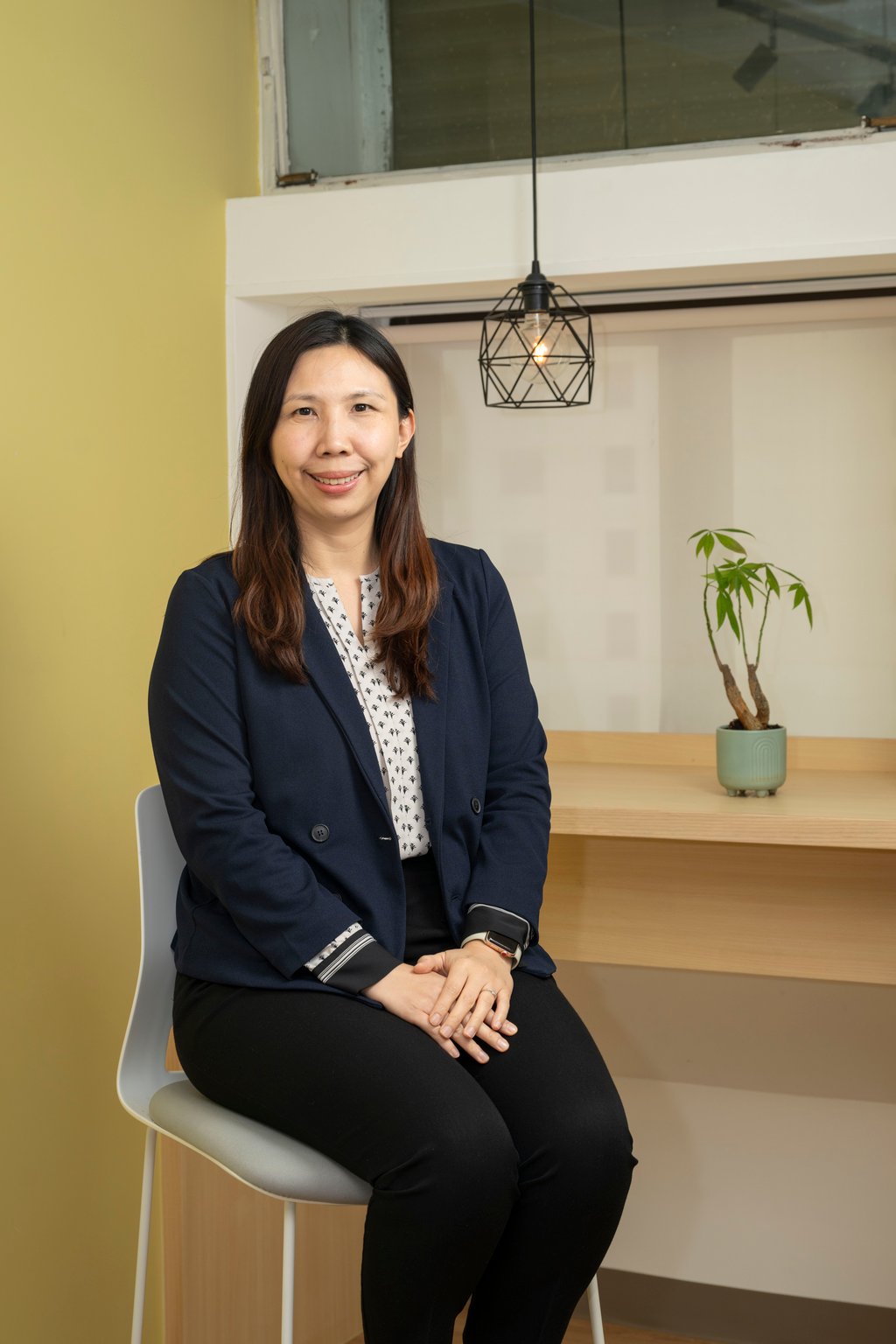
Co-creation as business strategy
Co-creation is no longer a fringe concept, but increasingly a strategic imperative, said Dr Tam, noting that with global ESG standards rising and consumer expectations shifting, more companies are seeking to align with community values and sustainability goals.
"Ten or twenty years ago, a company might think, 'We donate, we do a bit of volunteering, that’s enough.' But now many businesses want deeper collaboration. Some even ask, 'Can we embed social elements into our existing services or products?' That’s a mindset shift," she said.
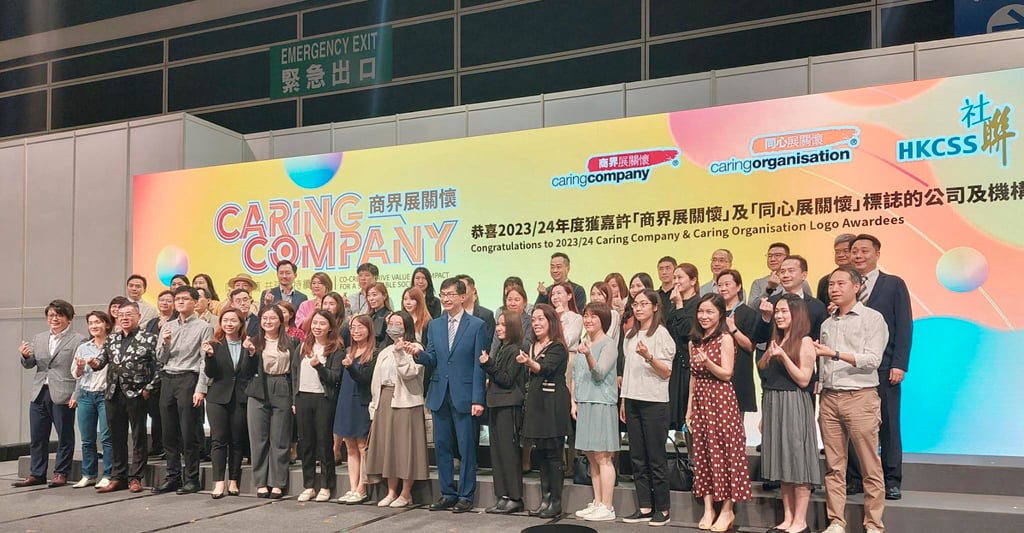
A dedicated section titled "Sustainability Solutions" will showcase over 30 exhibitors offering ESG-oriented procurement and HR support, including inclusive hiring, wellness services and ageing-in-place solutions.
There will also be guided thematic tours to help corporate visitors discover partnership-ready projects in areas such as workplace wellness, diversity and inclusion, caregiver-friendly policies and digital accessibility.
One of the key business-focused sessions, M4 – “Driving Change: Business Strategy for Sustainable Impact”, will explore how companies can embed social value into their core strategy.
Featuring both local innovators and international case studies from Japan, panellists will discuss how businesses are redefining success through purpose-driven models and partnerships that deliver shared value.
"A lot of SMEs tell us, 'We want to help, but we don’t know where to start or who to talk to.' That’s why we created this platform to help connect the dots," Dr Tam explained.
Reframing talent: from marginalised to mission-critical
A strong focus at this year's summit is redefining talent. From ethnic minorities and pensioners to people with disabilities or special educational needs (SEN), many groups previously viewed as "beneficiaries" are now being recognised as skilled contributors to a resilient workforce.
"It’s not about helping the disadvantaged anymore," Dr Tam said. "Many of them have unique strengths. Some companies have told us that their SEN hires are incredibly focused; they just get the job done."
Dr Tam also pointed to the silver economy as a rising labour force, noting that pensioners with prior business experience are returning to the workforce, not just out of necessity, but with a desire to give back.
"Older adults have vast knowledge and networks. Many are highly motivated to contribute, and they also represent a powerful consumer base. Businesses that ignore this segment do so at their own peril."
AI, ethics and digital threats
The Opening Keynote Plenary – provocatively titled "Friend or Enemy of Humanity? AI Technology in Controversy" – will set the tone for critical debates around technology and its social implications.
"AI isn’t just a tech issue; it’s a social one," said Dr Tam. "It touches everything from job displacement to digital sexual violence. We’ve invited experts in these areas to explore how society can develop AI responsibly."
Other sessions will look at AI's role in youth mental health, particularly around image-based sexual violence and the psychological toll of growing up in algorithmically curated digital environments.
One panel, for instance, will examine how social media platforms can be ethically designed to protect young users.
Caregiving and inclusive workplaces
Support for working carers, employees who juggle jobs and caregiving duties, will also be a major topic. Exhibitors and speakers will present tools and policies that enable companies to support these employees while enhancing workplace morale and retention.
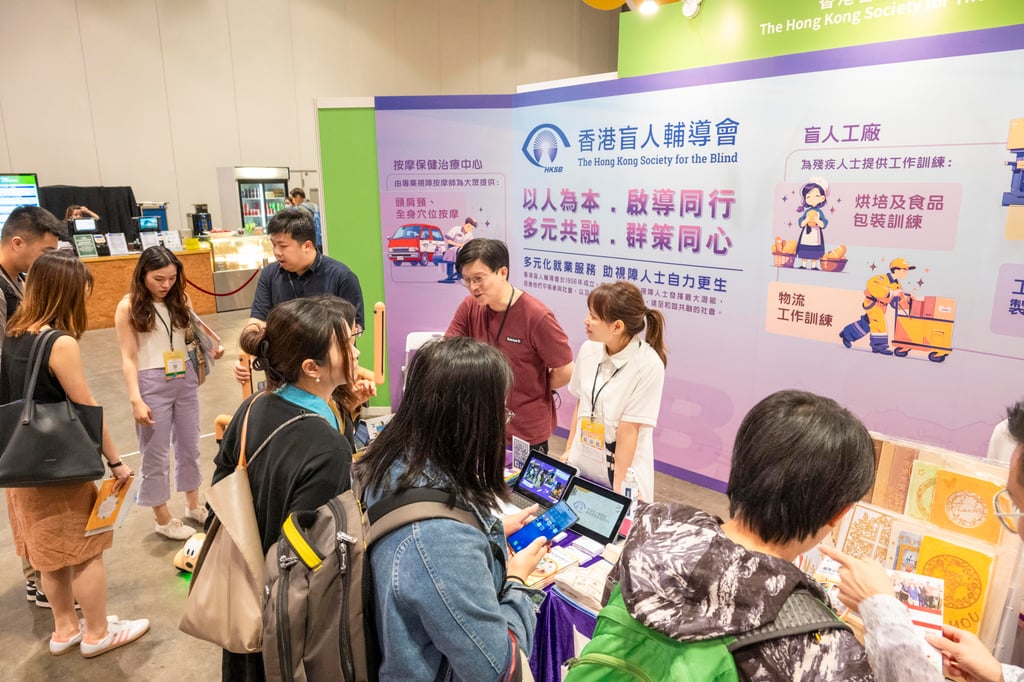
The summit brings in speakers from UNDP and countries such as France and Japan to share international best practices.
One keynote will be delivered by Karanraj Chaudri, a climate finance and private sector specialist of UNDP, who will speak on how to measure the social return on investment (SROI) and integrate it into business models.
Examples from Japan will be shared, where a leading logistics company trains its delivery staff to check in on elderly residents during their rounds, a practical model of how business operations can be organically integrated with social care.
“We’ve invited more international speakers and organisations this year to share their success stories, in hopes of strengthening regional exchange and accelerating innovation in Hong Kong,” said Chan.
Dr Tam also acknowledged a rising interest in better engaging with new arrivals to Hong Kong, including mainland professionals and high-skill immigrants under schemes such as Top Talent Pass.
“Many of them are highly educated, with expertise in fields such as tech and engineering,” said Dr Tam. “However, they often lack pathways to engage with the local community. Our social services need to be broadened to include them, not as passive recipients, but as valuable contributors.
“If engaged strategically, they can help drive positive impact, better integrate into local society, and develop a sense of belonging that encourages them to stay and call Hong Kong their home.”
From CSR to value creation
The S+ Summit cum Expo 2025 sends a clear message that social impact should no longer sit on the sidelines of business. It is increasingly viewed as a driver of innovation, resilience and brand value.
“If companies think social issues are someone else’s job, they’re missing the point. Social challenges affect markets, customers and employees alike. Integrating social impact isn’t just good ethics; it’s a good strategy,” said Dr Tam.
“We hope to enrich the ESG conversation by focusing on 'business for good' and corporate partnerships,” said Chan. “These efforts can strengthen collaborative innovation and deepen the role of companies in sustainable development.”