Deciding how to spend the world’s carbon budget is complicated, with consequences for business and nations as well as the planet
- Decarbonisation investment is necessary in sectors where low-carbon solutions do not yet exist
- The path to net-zero emissions will vary between industry sectors and the resources of individual nations

[Sponsored article]
Investors are increasingly asking how net-zero goals will be achieved. There are different scenarios for the world’s nations to meet the global warming targets set out in the 2015 Paris Agreement. At the industry level, investors need to identify and quantify sectors with the ability to move quickly to decarbonise; they also need to spot those that need more time to do it.
National differences
At the country level, structural issues and the availability of resources will make decarbonisation efforts feel different, but to meet the Paris goals, all nations need to decarbonise quickly.
The Paris report sets out various scenarios. For example, it estimates that 500 gigatons (GT) of CO2 emissions after the beginning of 2020 would result in a 50 per cent chance of limiting global warming to 1.5 degrees Celsius, an ambitious goal. On the other hand, it states 900GT of CO2 gives an 83 per cent chance of keeping global warming below 2 degrees – perhaps a more realistic goal.
Investors need to analyse the structural differences among nations that will influence their ability to reach the Paris goals. The paths taken to net zero will differ.
For instance, 20 per cent of India’s annual greenhouse gas emissions come from agriculture, more than double the equivalent share in the European Union and about four times as much as in the US or China.
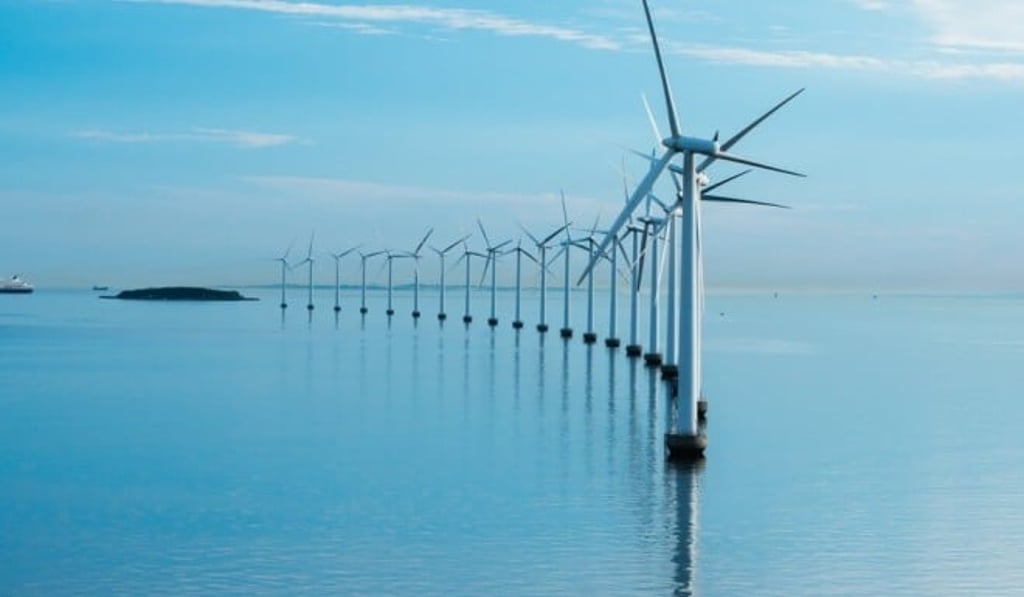
While it is much harder and more expensive to reduce emissions from agriculture than it is for many other activities, countries can identify achievable targets. A significant share of electricity in India comes from burning coal and could be replaced by cleaner forms of electricity generation – relatively inexpensive in the long term.
Sector analysis
The issue of how carbon budgets should be allocated across sectors is even more pertinent to investors, not least because the ability to decarbonise quickly and cheaply differs more across sectors than it does across countries.
In the absence of a major technological breakthrough, it would be virtually impossible for an airline to significantly decarbonise its operations within the next few years without going bust, but the same could not be said of an electric utility.

There are many reasons why an investor would want to know an industry’s decarbonisation potential: to manage risks and spot opportunities; to engage with corporate management and comply with financial reporting rules; to set metrics and targets; to invest sustainably; and to anticipate regulatory changes.
If a flat, economy-wide carbon tax were imposed, for example, industries with less ability to decarbonise would suffer greater costs. But regulations and taxes are often based on the decarbonisation potential of industries – the UK’s upcoming ban on the sale of new petrol and diesel cars, for example.
Sustainable and investment strategies that are aligned with the Paris Agreement are not solely concerned with selling carbon-intensive assets and buying renewable energy. While renewable energy is hugely important, investment also needs to happen in those areas where low-carbon solutions do not yet exist.
Transition pathways
Organisations such as the Science Based Targets initiative and the Transition Pathway Initiative – which support efforts by companies as they transition to low-carbon operations – provide some useful guidance on the decarbonisation potential of different sectors and sector-specific transition pathways considered to be consistent with the Paris climate goals.
The UK’s Climate Change Committee – an independent body which advises the nation’s government on how it should set and manage its carbon budget – is another useful source.
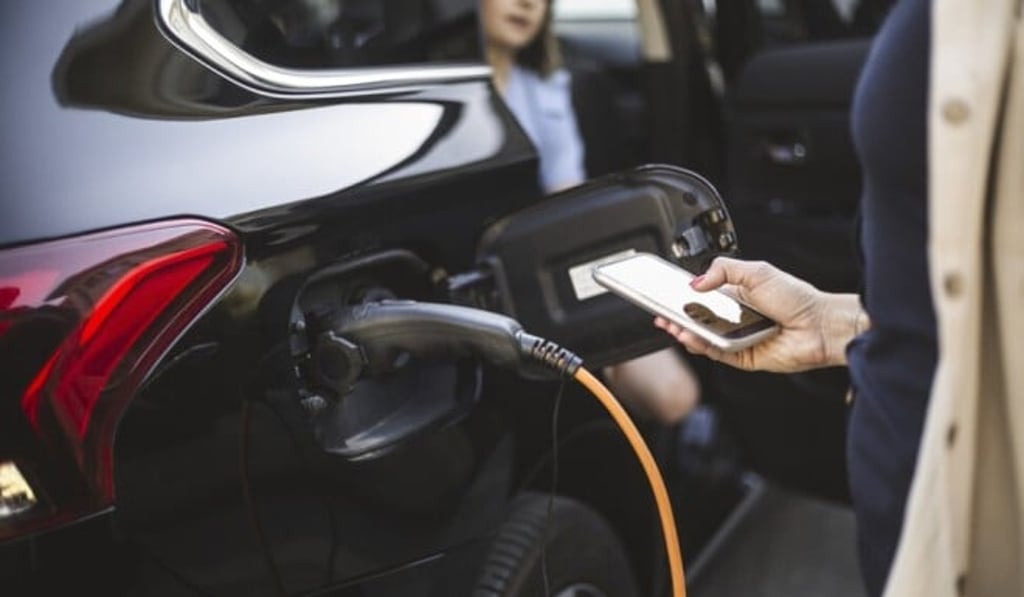
One scenario suggests that by 2050, weekly meat consumption for the average household will decline by 33 per cent, and all new cars sold will be battery-powered. The committee also suggests that electricity will be virtually carbon-free, that wooded areas will increase by around 40 per cent and that restored peatlands will nearly triple in size.
The views and opinions expressed are those of the sponsor and do not necessarily reflect the official policy or position of South China Morning Post Publishers Limited. Any content provided by our sponsors are of their opinion, and are not intended to malign any religion, ethnic group, club, organisation, company, individual or anyone or anything.