MSc ensures fast start in the business world
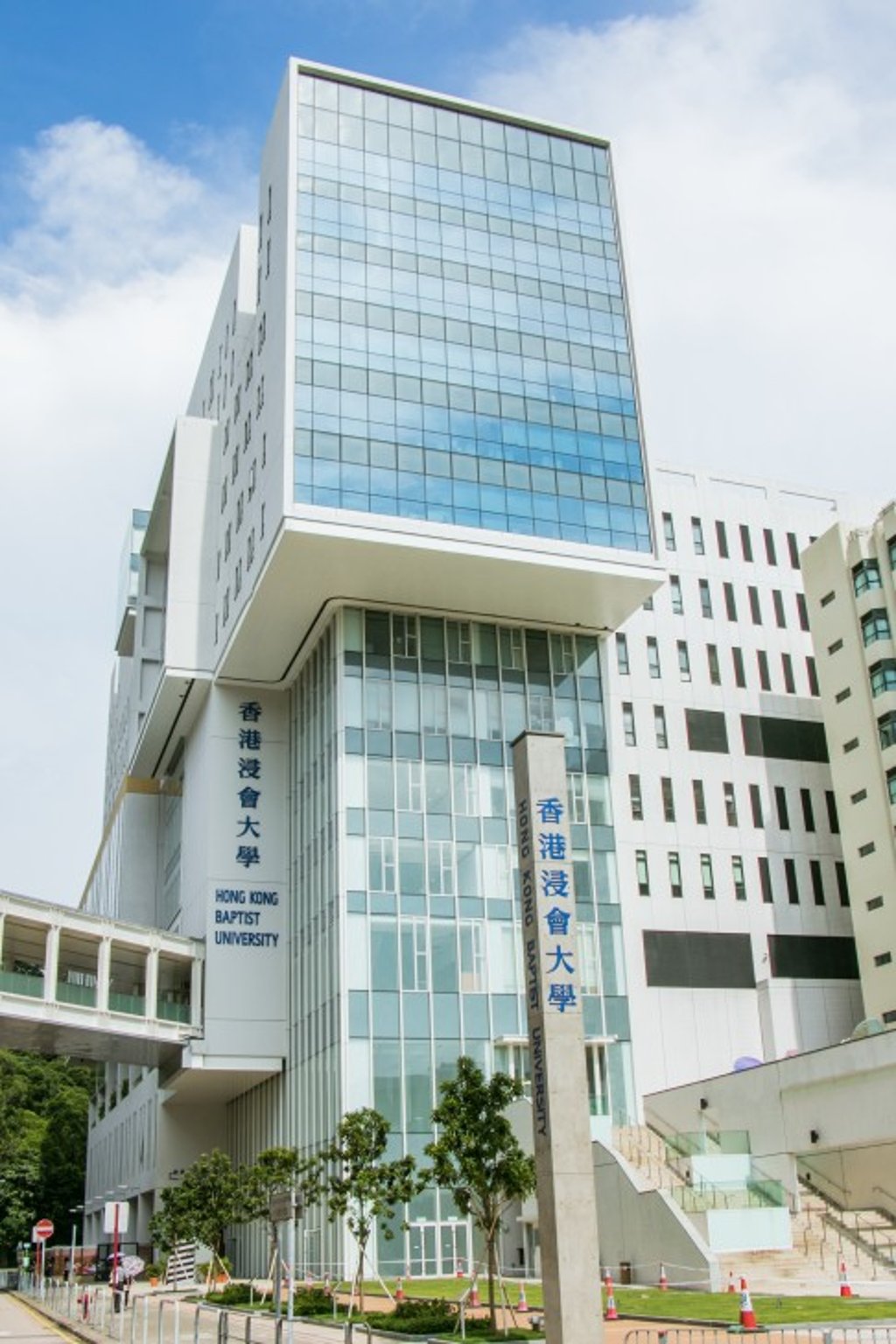
The highly-regarded MSc in Business Management offered by Hong Kong Baptist University is specifically designed to give recent graduates and young executives a significant head start in their careers.
[Sponsored Article]
The one-year, full-time programme does that by providing a solid foundation in all the key areas of business, while also covering cutting-edge disciplines like big data, entrepreneurship and the digital economy.
“We prepare students for the world of work, with a more sophisticated level of training than they got as undergraduates,” says programme director of the MBA & MScBM Programmes Professor Huang Xu. “And, particularly for our international students, we look to broaden their horizons in Asia and act as a gateway for future involvement in China-related business.”
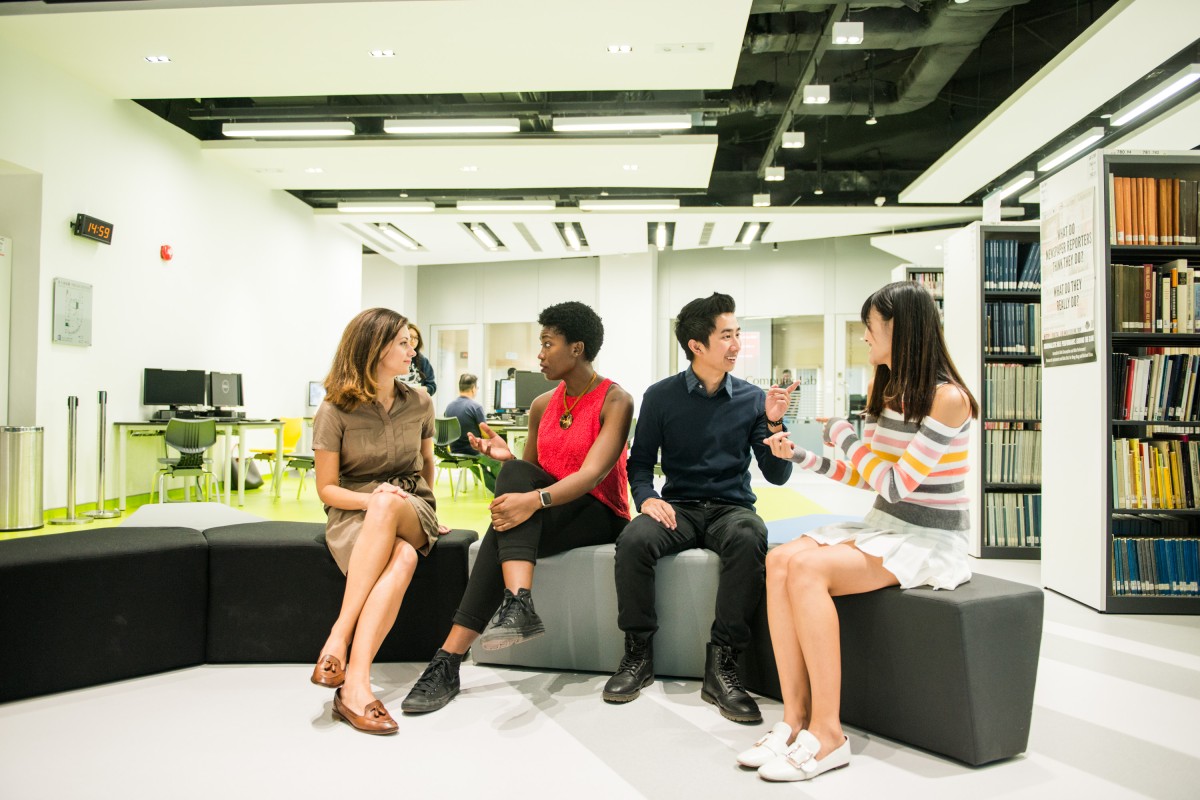
Despite strong demand for places, there is an upper limit of 100 for each annual intake, later split into two groups of 50. This reflects the university’s focus on quality over quantity, but also makes it possible to attract a suitably diverse mix of local, mainland and overseas candidates.
In most cases, applicants have taken a first degree related to business or economics, but now want to consolidate that knowledge to improve their chances in the job market. They don’t necessarily require full-time work experience, but they should at least have done internship or summer jobs to understand what goes on in the workplace.
During the programme, students have to complete a total of 11 courses, including 6 core courses, 2 required courses and 3 electives, equivalent to 33 units. The six core modules, spread over two semesters, include accounting, finance, economics, business research, marketing and managing people.
The three electives are chosen from a list offering topics like international investment, business creativity, entrepreneurship, management of integrated marketing communications, and global human resources management.
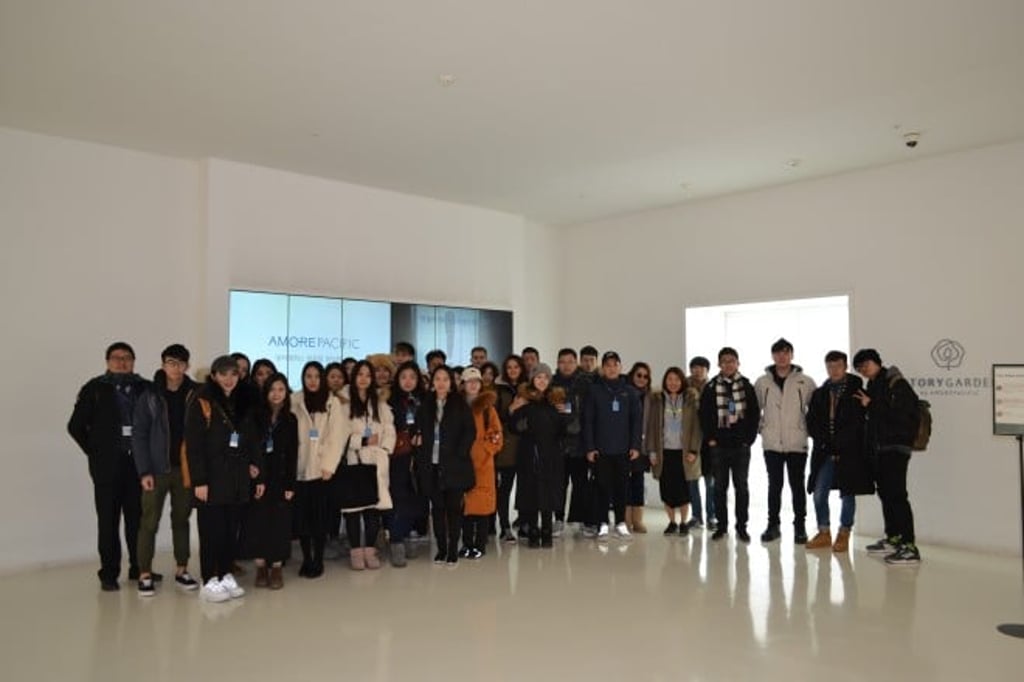
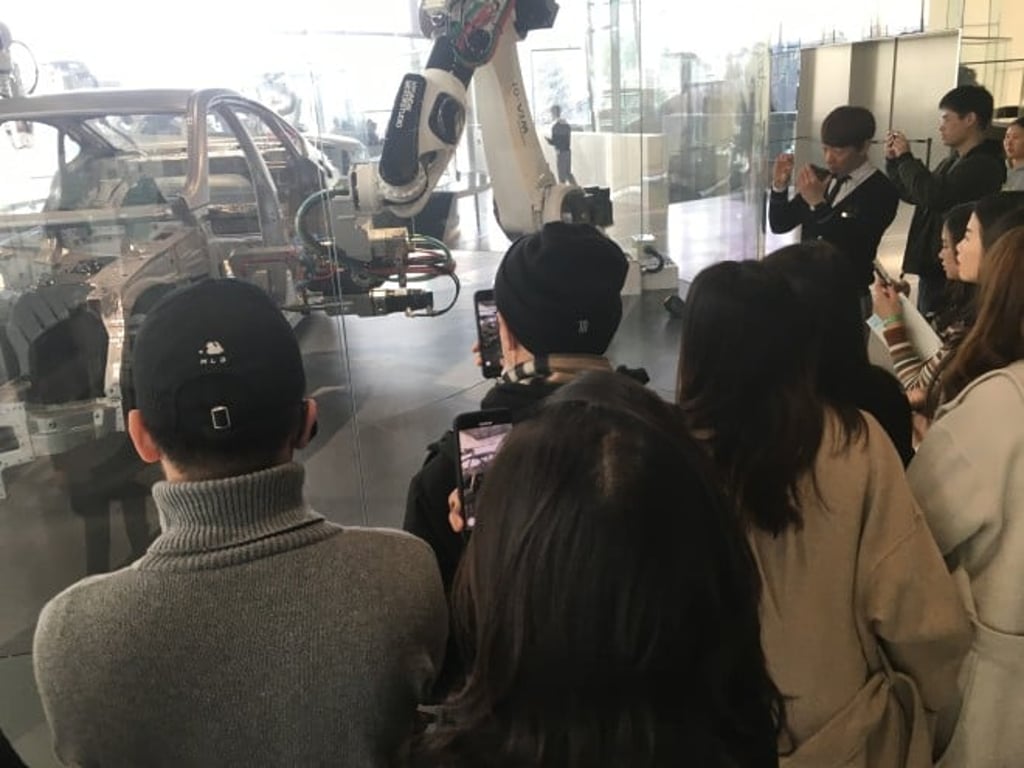
The two required courses include an overseas study trip and a practical project report. The overseas study trips, built around a specific theme, include company visits and on-site meetings with senior managers. For example, during one recent trip to Seoul, students learned about the South Korean approach to social entrepreneurship and CSR and were able to spend time with top executives from some of the country’s bestknown firms.
“We have a very clear objective: to help students understand the real world of business,” says Huang, noting that the MScBM was in the global top 100 in the latest Financial Times Masters in Management rankings. “For that reason, towards the end of the programme, everyone has to conduct a project report which can be a case study or consultancy project for a company in Hong Kong, mainland China, or the Asia region.” Such projects might involve designing a recruitment and talent retention programme, developing a marketing strategy for new products, or improving efficiencies in an operating system.
The essential point, though, is that students have the chance to apply their learning in a practical setting, with all the challenges and consequences that entails. “To ensure everything is up to date, we regularly review curriculum content and recently introduced new courses on fintech, big data and the digital economy, all of which are increasingly important,” Huang says. “Also, from next year, there will be a core course on managing people and organisation, taught by a former senior executive with 20 years’ experience in industry.”
In fact, he adds, around one-third of the programme’s professors have run successful businesses or served at board level. This means they can speak with authority and enliven classes by drawing on a wealth of real-life examples to illustrate what works and why.
In similar vein, entrepreneurs and change management experts are drafted in to teach those subjects. They cover the theoretical aspects, which provide the framework for any academic programme. Crucially, though, they can then go further by explaining, for example, what makes a viable business plan, how to “sell” it to potential investors, and the kind of mentality and values needed to launch a start-up.
“The students also get to visit ‘incubators’ and talk to young entrepreneurs,” Huang says. “And, by taking part in group projects and competitions, they gain experience of procedures and processes involved in developing a successful business.”
He adds that former graduates have gone on to work in a wide range of industries. They generally had no trouble finding good jobs, whether in Hong Kong or further afield, and the university’s career centre has the contacts to assist if necessary.
The basic admission requirements for applicants hoping to start in September this year include a bachelor’s degree, a high standard of English, and a personal statement of not more than 500 words explaining their motivation and goals.
“We want this programme to be one of the best in the world,” Huang says. “Therefore, we are looking for high-quality students and encourage ethnic, national and gender diversity. That makes a good learning experience for everyone.”