Digital finance apps prioritizing MSMEs to boost ASEAN growth
Connectivity, regional interoperability, and real-world applications remain a priority for ASEAN fintech stakeholders

[The content of this article has been produced by our advertising partner.]
Financial technology companies, digital payments providers, and ASEAN digitalization policy experts doubled down on supporting and accelerating the transition of micro, small, and medium enterprises (MSMEs) into the digital economy, highlighting the sector's ability to contribute to the region's growth.
ASEAN, counting over 480 million digital consumers, is primed to lead inclusive and sustainable digital trade. But MSMEs are historically subject to persistent barriers and exclusion from the benefits of digital commerce. Despite representing 95% of businesses and 60% of jobs worldwide, the sector currently faces a $5.7 trillion financing gap globally.
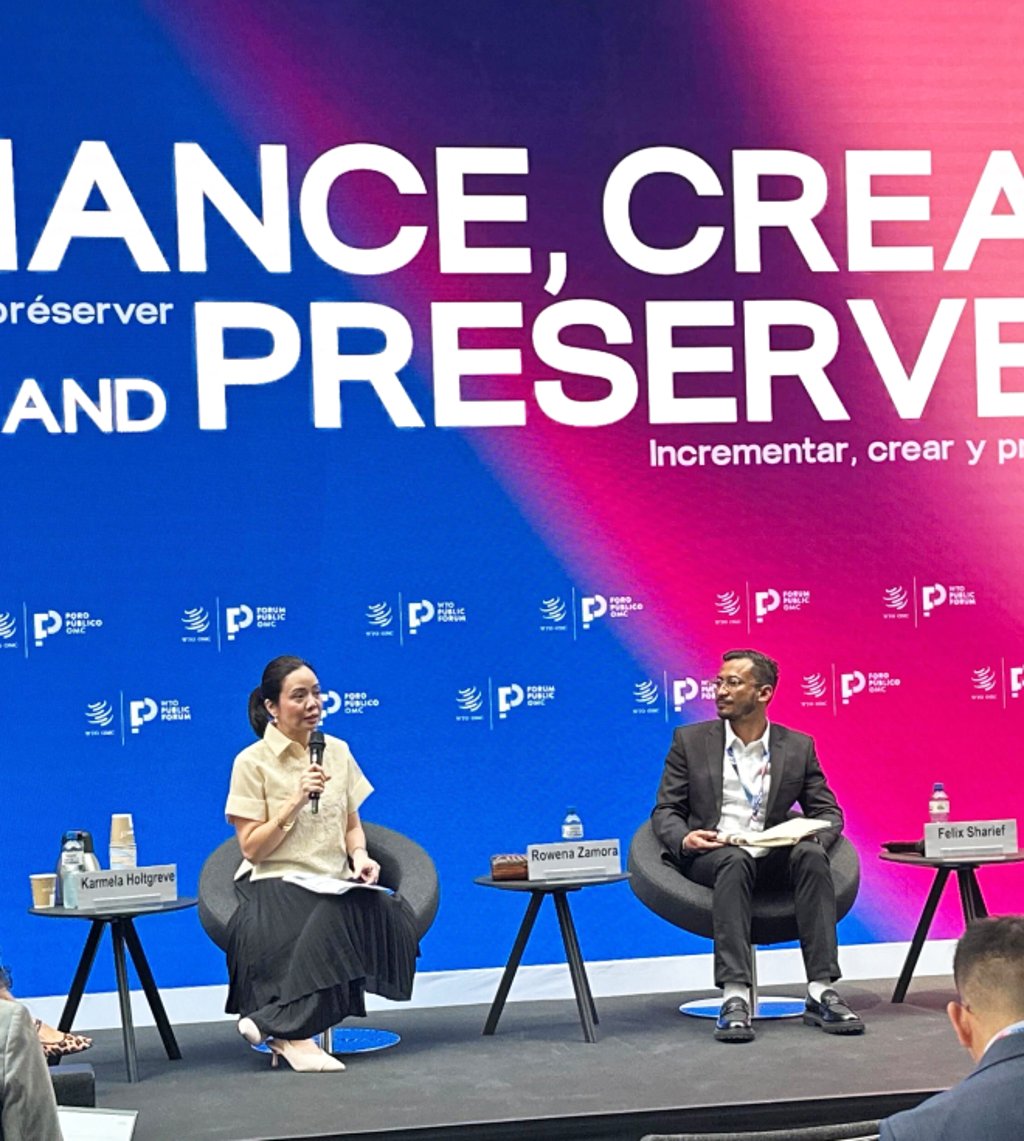
In his opening remarks, Ambassador Manuel Teehankee, the Philippines’ Permanent Representative to the WTO, underscored that in ASEAN, “MSMEs form the backbone of our economies, but challenges persist.”
He emphasized the importance of practical innovations in accessibility and cross-border interoperability to help MSMEs face the increasing complexity of global markets.
Teehankee also reaffirmed the Philippines’ backing of the Digital Economy Framework Agreement (DEFA), which aims to build an integrated ASEAN digital market, ahead of the country's ASEAN Chairmanship in 2026.
Session moderator and panelist Rowena Zamora, Chief Strategy Officer of Mynt, the parent company of GCash, highlighted prioritizing enabling environments that simplify MSMEs’ digitalization and the cost of their transition to cash-light or cashless systems, as well as scaling the sector’s participation in the digital economy.
She said, “We have to democratize policies and processes to expand MSMEs' access to the market, both from a domestic and the larger ASEAN regional lens, and provide practical innovations that address issues like the cost of participation and the cost of regulatory compliance.”
Zamora cited work pursued by GCash, which she says counts approximately six million merchants among its user base, that offers MSMEs alternatives to traditional financing systems and addresses structural challenges, alongside partnerships with the Philippines’ national policymaking agencies and regulatory bodies.
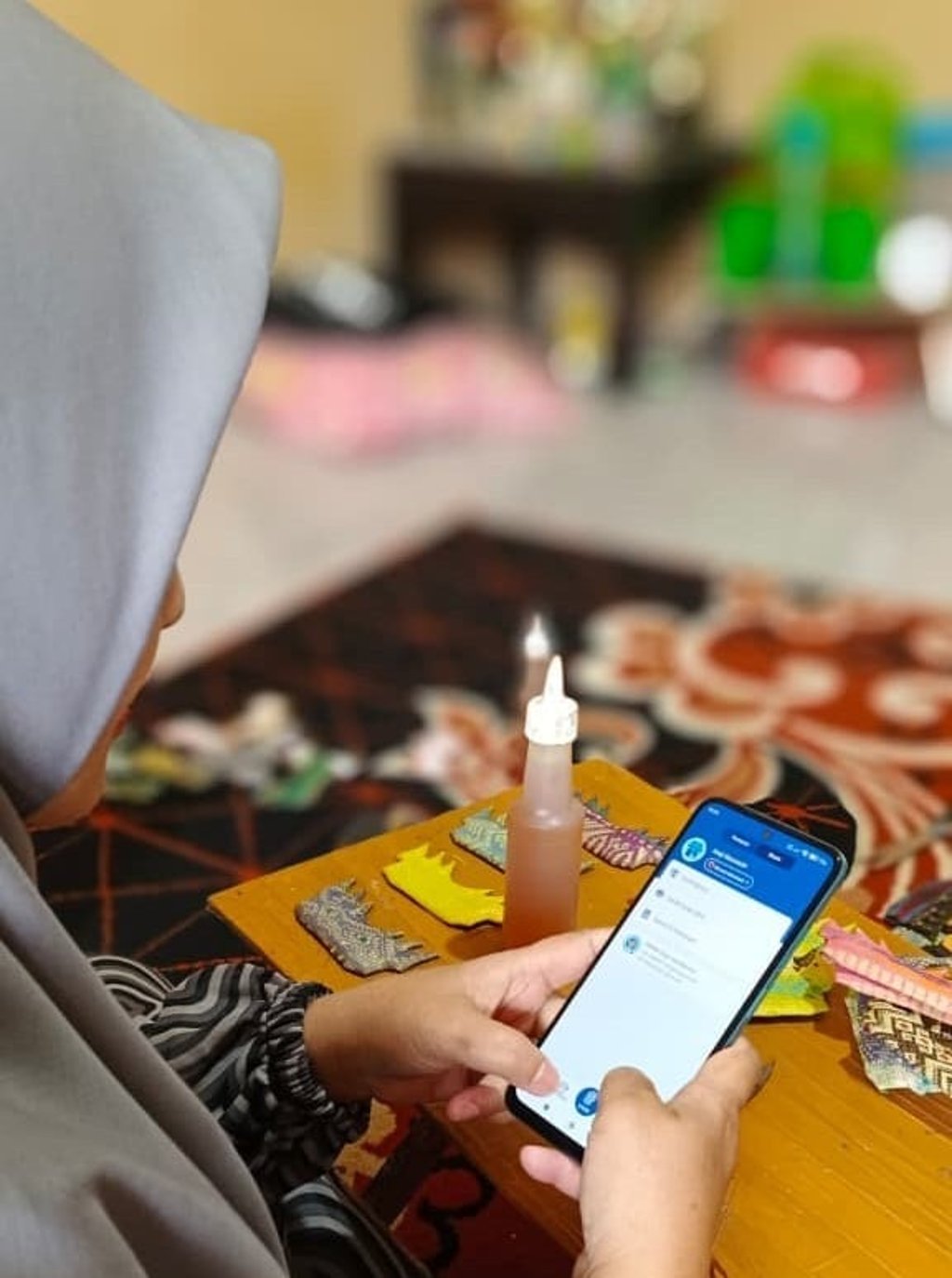
Panelist Felix Sharief, VP of Public Policy and Government Relations at DANA, shared that the Indonesian e-wallet platform has benefitted from ASEAN’s standardization of e-commerce processes and economic cooperation, lowering costs and allowing them to provide more services for unbanked populations.
In Indonesia, MSMEs account for more than 61% of GDP and contribute to 79% of the workforce, and DANA continues to “create opportunities for MSMEs to access digital platforms, so they can transform their businesses.”
Sharief also noted critical investments that provide MSMEs access to the digital economy, saying, “Collaboration between the public and private sectors shapes the landscape, with private companies supplying the technology and innovation, and the public sector creating enabling policies. This way, we can have transformation and digitalization, and make sure financial means are accessible to all of society.”
One initiative along these lines is Project Nexus, developed by the BIS Innovation Hub with the central banks of Indonesia, Malaysia, the Philippines, Singapore, and Thailand. It aims to standardize instant payment systems among and between the economies by providing a single, centralized connection for cross-border payments.
Though a multilateral solution, Project Nexus is making sure that all participants’ interests are well-represented, balancing empowering the respective finance ecosystems of central bank members with pursuing the ambition to become a global network.
The panel also discussed in-depth increasing MSMEs’ access to a broader economy, fostering interoperability to reduce frictions and lower costs, and coupling technologies with cooperation to significantly accelerate economic growth in the ASEAN.
Zamora also took part in the working session, “Digital Payments in ASEAN: From Innovation to Inclusion,” organized by the Indonesian government, which discussed cross-border QR interoperability and regional payment connectivity.