Tackling Climate Change Needs to Be Smart
- Energy efficiency improvements, critical to meeting emissions targets, emerged as a focal point at COP29 and are already making a difference.
- Tuya Smart launched its 'Smart Decarb' initiative, using AI, IoT, and cloud computing to optimize energy use and cut carbon emissions.

[The content of this article has been produced by our advertising partner.]
As the world grapples with the escalating climate crisis, energy efficiency is emerging as a vital—yet often overlooked—solution. Despite being one of the fastest and most cost-effective ways to cut carbon emissions, it has been largely sidelined in the global discourse.
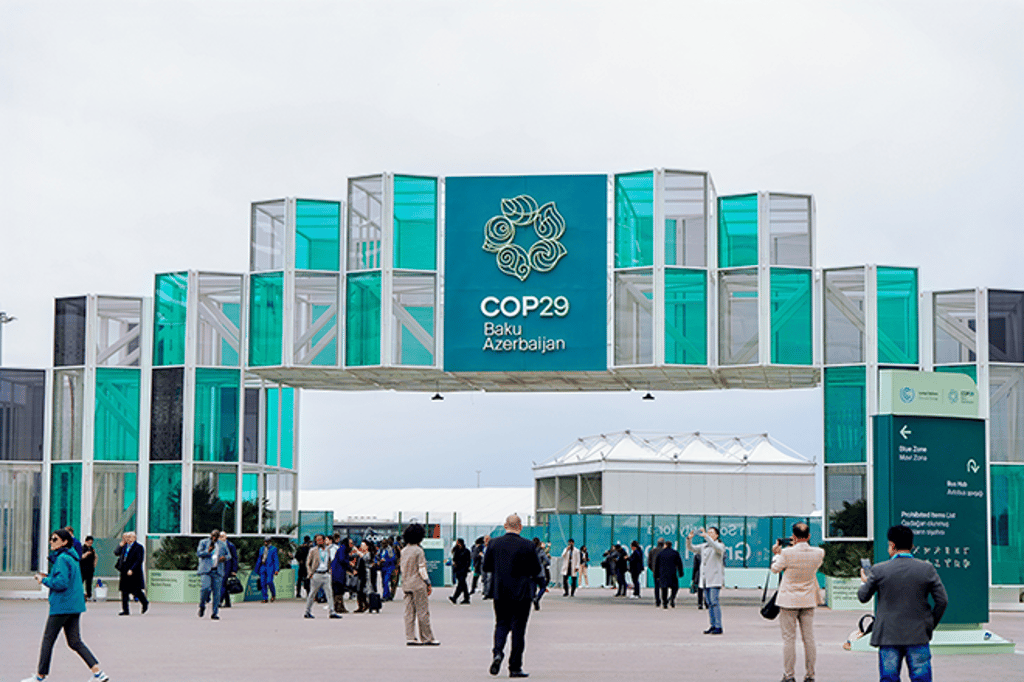
This year’s COP29 summit in Azerbaijan brought together leaders from industry, government, and academia to discuss pathways for sustainable development. Among the key topics, energy efficiency emerged as a focal point, with increasing attention on its ability to drive meaningful emissions reductions alongside renewable energy investments.
The International Energy Agency (IEA) has made it clear: energy efficiency could account for nearly half of the emissions reductions needed by 2030 to meet the Paris Agreement goals. But while it promises significant benefits, from reduced costs to improved resilience, global action has lagged behind.
AIoT Driving Efficiency and Decarbonization in a Smart Way
One company taking the lead in addressing this gap is Tuya Smart, a global cloud platform service provider. At COP29, Tuya introduced its 'Smart Decarb' initiative, designed to harness the power of AI, IoT, and cloud computing to tackle carbon emissions.
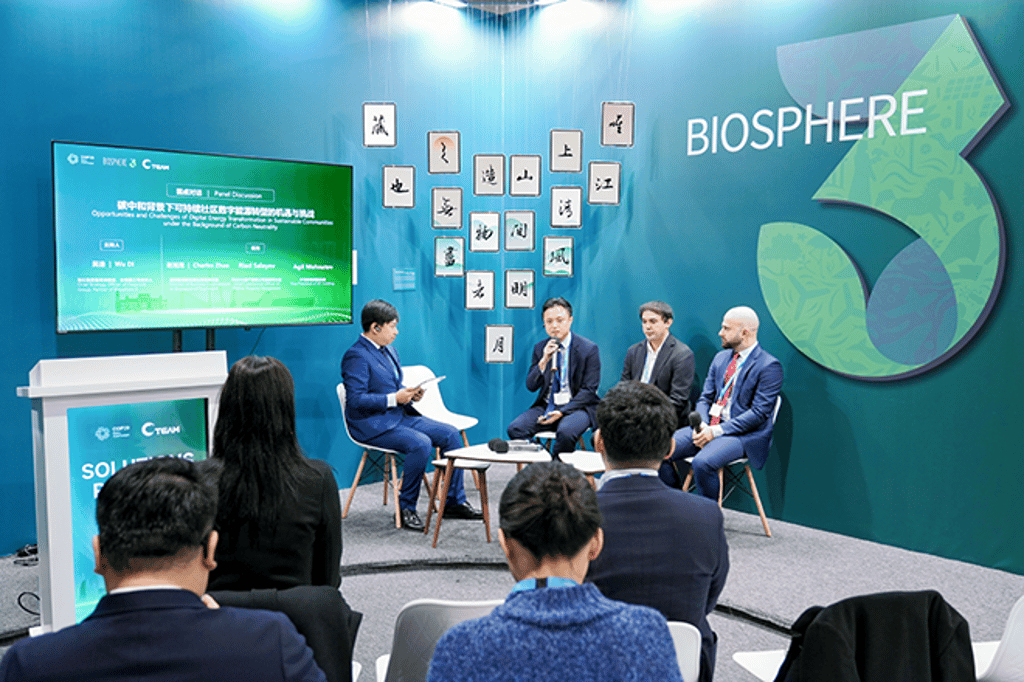
“AI-driven smart algorithms can automatically optimize energy consumption in real time, creating transparency and efficiency across industries,” said Eva Na, Vice President of Marketing and Strategic Cooperation, and CMO of Tuya Smart, during a side event at the China Pavilion in the Blue Zone. “This is how we make energy management both visible and actionable.”
With its 'Smart Decarb' initiative, Tuya is driving energy efficiency by integrating AIoT to automatically adjust consumption patterns, transforming energy use into a more intelligent and sustainable process. Through global partnerships, Tuya is at the forefront of delivering cutting-edge solutions that empower both homes and businesses to reduce environmental impact while maximizing energy savings.
Real-world results back up the promise. In markets like Singapore and Europe, Tuya’s Energy Management System (EMS) is helping homes and businesses classify the energy consumption according to the types of events, manage their energy use and provide personalized recommendations to cut waste and adapt to fluctuating prices.
The impact can be seen in simple adjustments, such as programming devices to operate during off-peak times or enabling lights to automatically dim or turn off when rooms are unoccupied. These automated changes can lead to substantial energy savings, with some users reporting reductions as high as 54%.

Rethinking Energy Efficiency: A System-Wide Approach
But the journey toward greater efficiency doesn’t stop at consumption. Tuya’s strategy focuses on optimizing the entire energy cycle—from production to storage, distribution, and end-use. This holistic approach, powered by smart devices and real-time data, is key to transforming how energy is used across industries and cities.
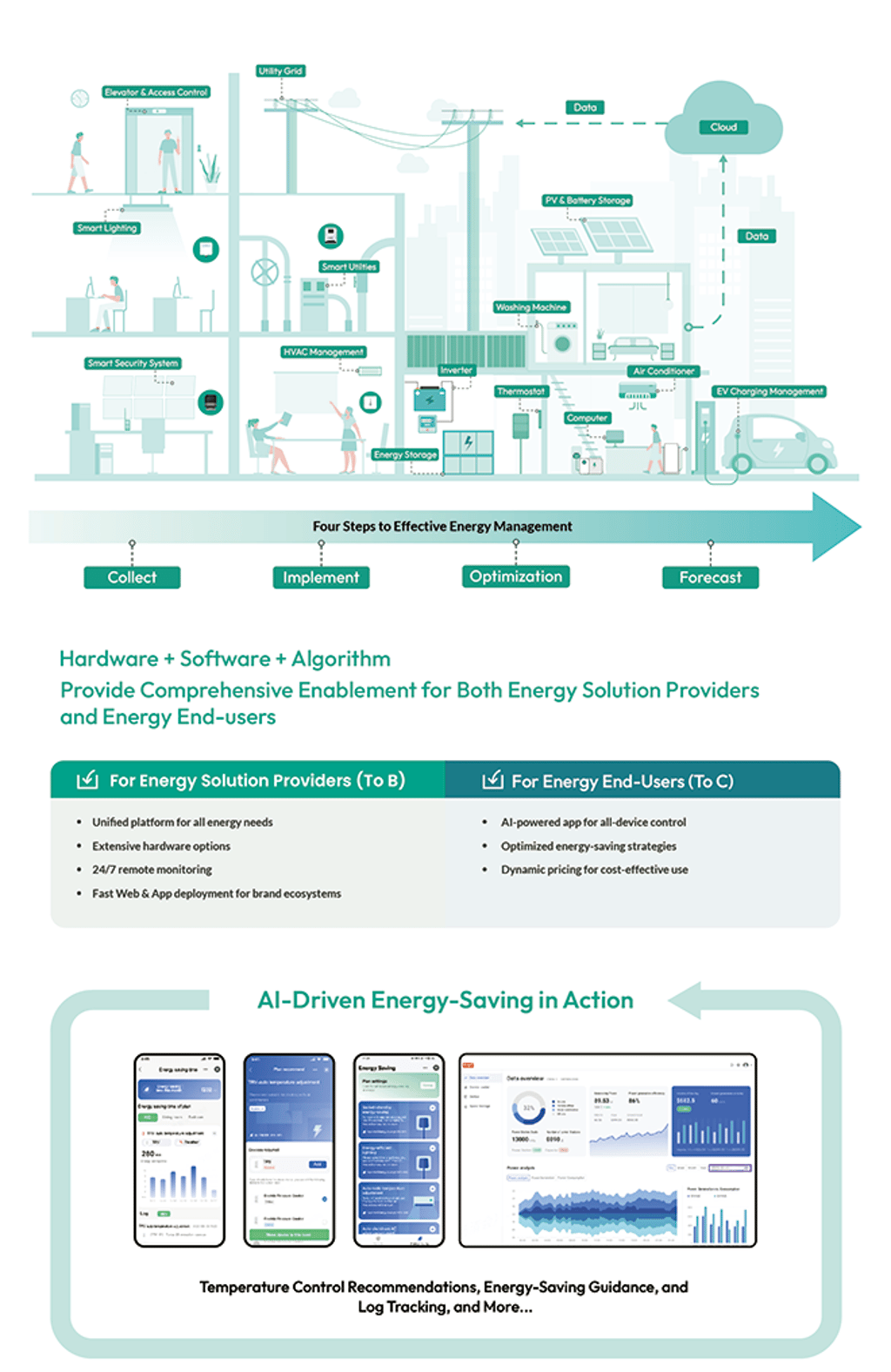
Through systems like Tuya’s Building Energy Management System (BEMS), which leverages AI and big data, users can manage energy consumption based on demand, resulting in energy savings between 15% and 30% across sectors such as smart cities and logistics.
However, to unlock the full potential of such technologies, governments must step in with policy support. While markets are embracing renewable energy, the efficiency revolution requires public and private collaboration to thrive. Especially in emerging economies, where infrastructure is expanding rapidly, smart technologies could reduce both expenses and carbon footprints.
Why Efficiency Is the Missing Piece of the Climate Puzzle
As global energy demand rises, the role of efficiency in meeting climate goals becomes even more critical. Tuya’s integration of AI, IoT, and cloud computing offers a roadmap for a smarter, greener future, but these technologies will only reach their full potential if paired with policy reforms and broader adoption.
At COP29, the focus on renewable energy overshadowed the urgent need for energy efficiency. Ignoring this vital piece of the climate puzzle could limit progress. The world must double down on efficiency if it hopes to reach net-zero targets on time and at scale.
The path forward is clear: combining renewable energy with smart efficiency solutions will accelerate emissions reductions, save costs, and create resilient communities. With technology leaders like Tuya Smart driving innovation, the opportunity for a smarter, more sustainable future is within reach.