Advertisement
What physiotherapy really does – and why you shouldn’t wait for an injury
In Hong Kong, physiotherapy is no longer just about recovery. It’s increasingly being used to prevent injuries and improve long-term mobility
4-MIN READ4-MIN
Listen

Physiotherapy. The word resonates with everybody in one way or another: the sports injury that just wouldn’t heal, the arduous recovery after giving birth, the tedious post-broken toe exercises you dutifully ignored.
Or maybe you’re the person who’s avoided the practice altogether after hearing about a “friend of a friend” who left a session worse off or didn’t notice any real benefit. Regardless, two truths seem to be universal: physiotherapy is something you do only after a major injury, and even then, it’s rarely something you look forward to.
In reality, physiotherapy isn’t just a fix-it service, it’s increasingly being used to stop problems before they start, reshaping when and why people should book that first session.
Beyond recovery: what physio can actually do
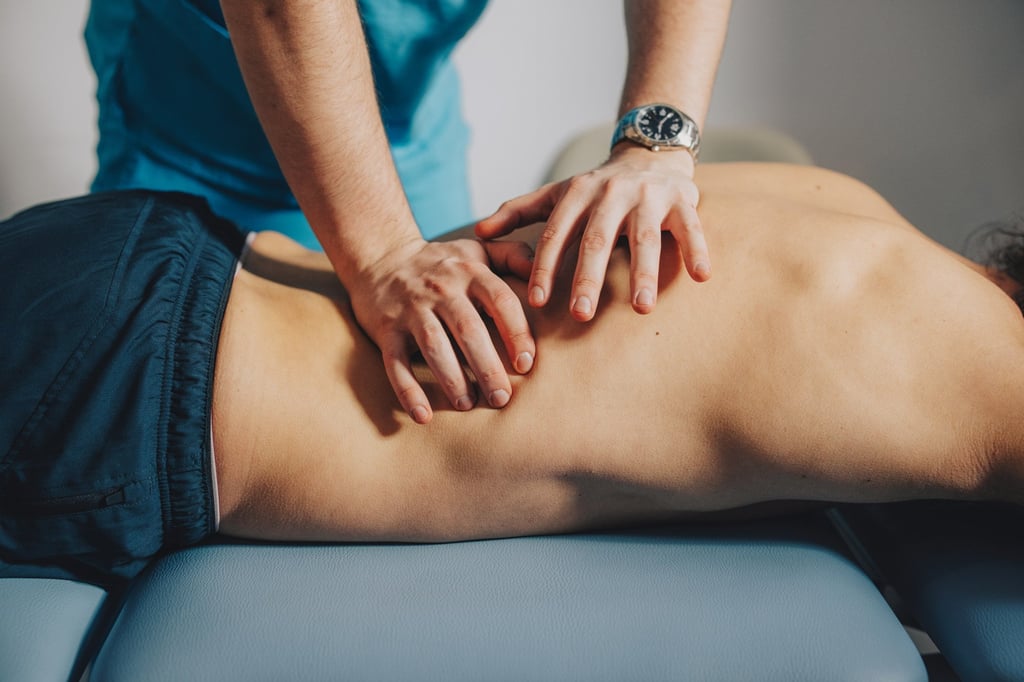
Physios really only have one goal: to help you move better. It means their remit is surprisingly broad. From stroke recovery and helping patients in intensive care units to breathe more easily, to aiding those with multiple sclerosis to manage muscle weakness, they can be wizards for those with bigger issues. And increasingly, their expertise is being applied to prevention and everyday function as much as rehabilitation.
Select Voice
Select Speed
1x
AI-generated voice