Making tracks through China’s past and present
High-speed rail may have modernised journeys through northern China, but centuries of urban history are still in evidence on a pilgrimage from the capital to the caves used by a strengthening Communist Party

“Peking wore the green lace of spring, its thousands of willows and imperial cypresses making the Forbidden City a place of wonder and enchantment,” American journalist Edgar Snow wrote of Beijing in 1936.
Ninety years later, strolling before the vermillion ramparts of the Forbidden City, it’s clear that Beijing’s mass conversion to electric vehicles has rendered the city not only cleaner than it has been of late, but also quieter – allowing Zhongshan Park to bloom much as Snow described.
Snow’s description was included in his wartime account of a journey to Yanan, Red Star Over China (first published in 1937), his destination then being the base of the Chinese Communist Party. But the city has made headlines much more recently, with the December opening of the Xian-Yanan high-speed railway taking the length of China Railway’s operational network past the 50,000km (31,070 miles) mark.
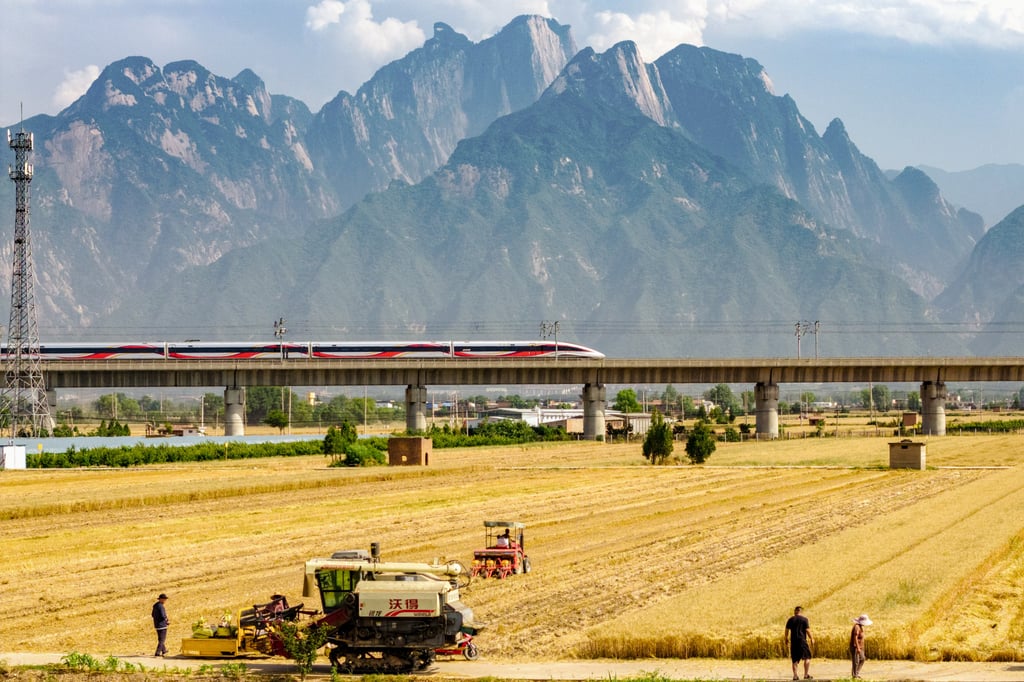
It took Snow more than two days to cover the 1,000km (621 miles) from Beijing to Xian by rail, but China’s 21st century public transport will make my own pilgrimage to Yanan, with some history-imbued detours along the way, far smoother.
With tickets bought online, I set my sights first on Jinan, the capital of Shandong province, located on the upper reaches of the Yellow River and 400km (249 miles) to the south of Beijing.