What to do in Mexico City between Fifa World Cup games
Football will be the focus in June, when the Fifa World Cup kicks off in the Mexican capital, but with a tasty dining scene and numerous museums, there’s plenty to experience beyond the Azteca Stadium

A global spotlight will soon be illuminating the largest metropolis in North America, with Mexico City set to host the inaugural game of the 2026 Fifa World Cup in its Azteca Stadium. On June 11, the home nation – nicknamed El Tri from the country’s tricolour flag – will kick off the tournament by taking on South Africa.
The teeming, vibrant Mexican capital already offered the traveller pre-Columbian ruins, opulent Baroque churches, world-renowned museums, cutting-edge modern architecture, avant-garde art galleries and even a small but thriving Chinatown. However, on a recent visit, I discovered that now, travelling around to see it all is easier than ever: metro and bus systems are efficient during the day, while Uber is inexpensive and well-suited to exploring by night. A fine-dining scene has grown to rival the tempting street food while evening festivities begin at hip speakeasy bars and historic cantinas stocked with tequila, mescal and local craft brews, before ending at pulsating salsa and rumba dance clubs.
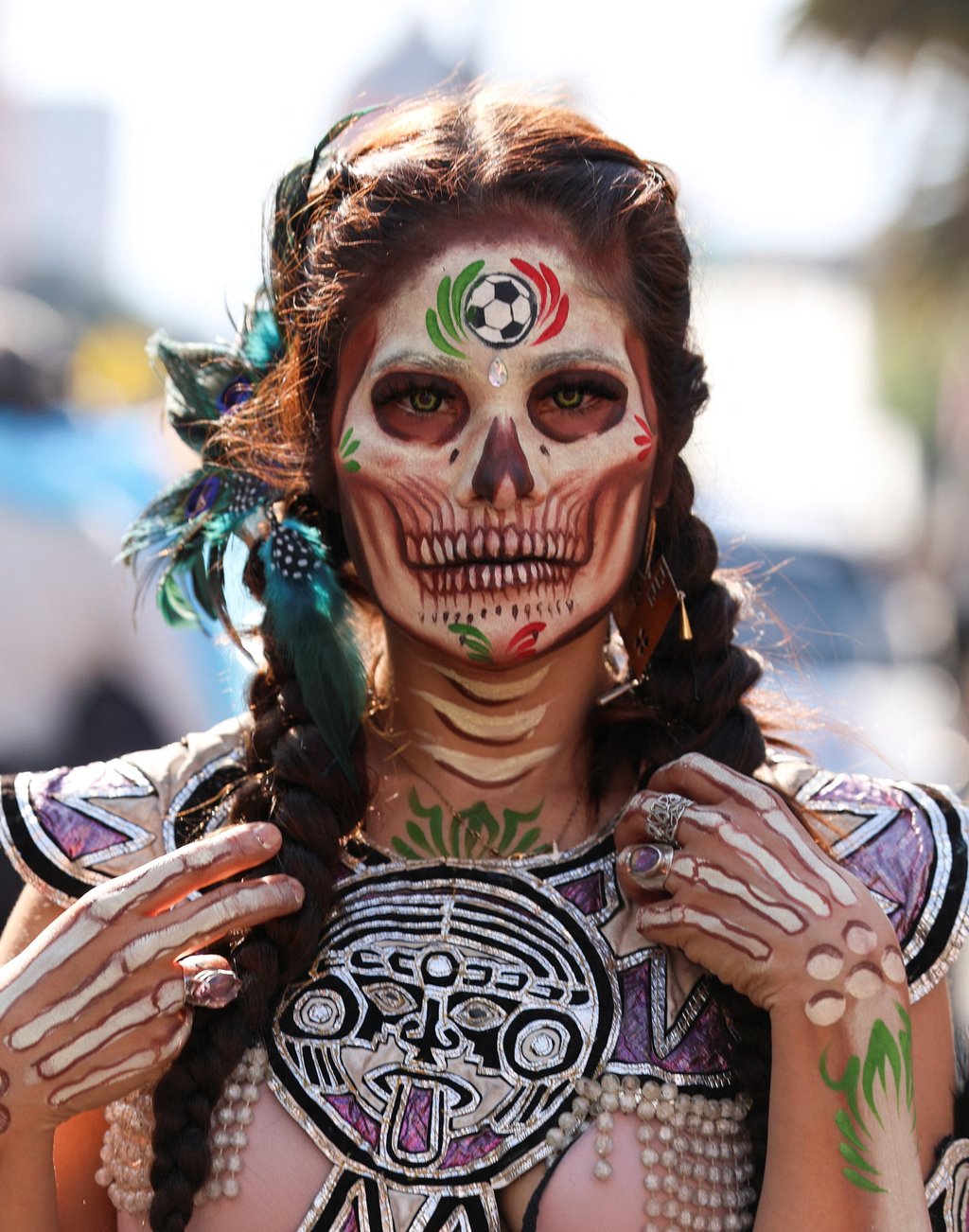
“The World Cup will bring an additional two million people through Mexico City,” says Francisco Ibarlucea, my guide on a previous visit and now a friend. “All chilangos – what we locals call ourselves – are looking forward to hosting games in the World Cup, as everyone is football-mad here, but we are also proud to welcome the world to our city. For visitors who do not find tickets for a match, there will be big fan zones, but my tip is just to find an old-fashioned taverna which will have big TV screens and an electric atmosphere, especially when the commentator screams, ‘Gooooooooooooal!’”
A key decision to be made even before arriving is where to base yourself, as the sheer size, traffic congestion and frenetic 20-million-plus metropolitan population of Ciudad de México – or CDMX, as everyone here calls Mexico City – can be intimidating, especially for first-time visitors. Affluent Polanco is perfect for haute-couture fashion shopping, gourmet restaurants and even Ladurée macarons; laid-back La Condesa, with its art nouveau (“liberty”) villas and leafy parks, design galleries, fashionable pubs and co-working coffee bars is cosmopolitan and gentrified; while bohemian Roma resembles London’s Hoxton or New York’s East Village, with outdoor Thai boxing, tango and yoga classes, craft-beer halls, organic bakeries and vegan diners.
Most convenient of all is downtown Centro Histórico, which spreads out from Zócalo square, the heart of the city. I always return to the Hotel Majestic, located on the immense square itself. It’s a slightly faded grande dame where little has changed since it opened in 1937, including the original, bellhop-operated lift. At the rooftop restaurant, a breakfast of beef tacos, refried beans and spicy rancheros eggs is accompanied by the Zócalo panorama, a microcosm of the city’s 700-year history. Your view spans the ruins of the Aztec city of Tenochtitlan, discovered in the Templo Mayor excavations that started in the 1970s and remain ongoing, to the baroque cathedral, built during the Spanish colonial era (1521-1821), to the immense National Palace, a symbol of Mexico’s independence.