In Padua, Italy’s Painted City, the best shows are the frescoes
The World Heritage site’s colourful attractions include one of the earliest depictions of a kiss in Western painting

It seems odd that one of the earliest depictions of a kiss in the history of Western painting should be found in a church. But after a half-hour train ride inland from Venice, and a gentle stroll through historic Padua’s winding streets, there it is, inside the heavily painted interior of the early 14th century Scrovegni Chapel.
In a fresco called Meeting at the Golden Gate (circa 1305), by Giotto di Bondone, two ageing figures greet each other with a public display of affection that seems to take its onlookers aback, much as it likely did those who first viewed the image seven centuries ago.
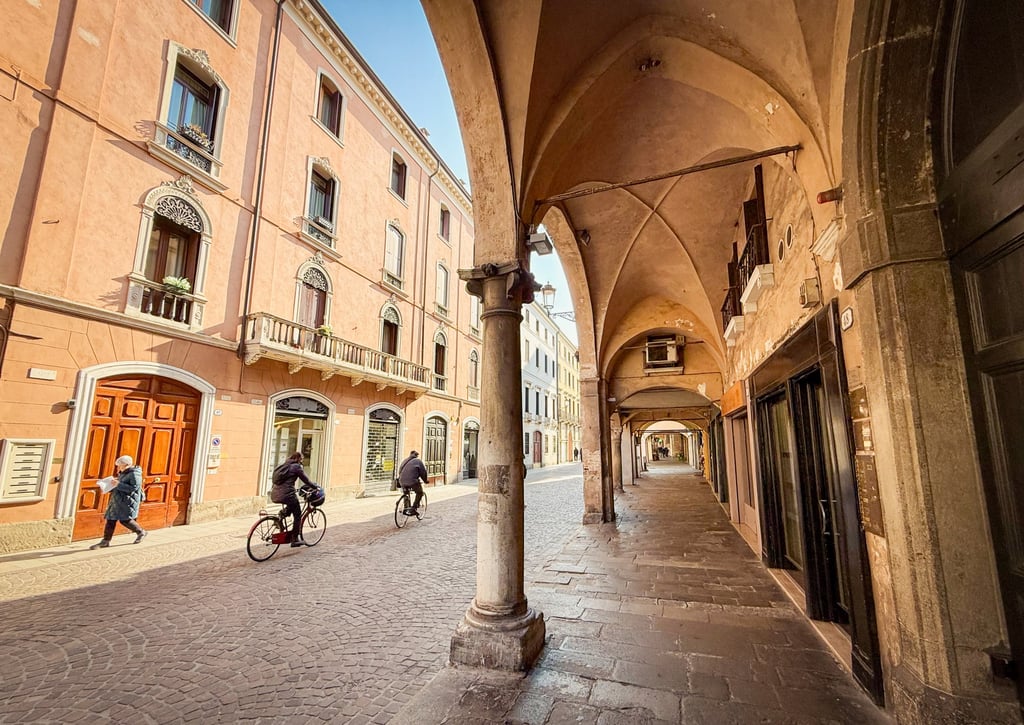
Other scenes in the chapel, all by Giotto – the most famous Italian painter of his day – or his assistants, are full of similar humanity. His subjects break free from the emotionless flatness of earlier paintings and appear as rounded human beings with feelings and interior lives. And although these frescoes, two centuries older than those of Michelangelo at the Vatican’s Sistine Chapel, are worth travelling to see in themselves, this city is no mere side trip.
There may be fewer canals – although it is possible to reach Padua not only by road and rail but also by boat, from Venice – but so, too, are there fewer visitors, in a city that is a giant art gallery in thin disguise. Urbs Picta, the local people like to call it: the Painted City.