Tea-dark waters, ancient landscapes: the quiet majesty of Tasmania’s Port Davey
Resistance in the 1980s to a hydroelectricity project that would have destroyed much of Tasmania’s natural heritage is now paying off

I was a kid living in Sydney when I first heard about the Tasmanian wilderness.
It was the early 1980s, and a hydroelectricity project that would have destroyed swathes of virgin forest to dam a pristine river system had sparked national outrage. Across Australia, “No Dams” bumper stickers appeared on cars owned by people who had likely never set foot in the state yet passionately demanded preservation of its environmental treasures. News footage showed protesters chaining themselves to trees to stop bulldozers from entering this precious expanse of temperate rainforest, buttongrass plains, quartzite peaks and deep gorges holding millennia of Aboriginal cultural history.
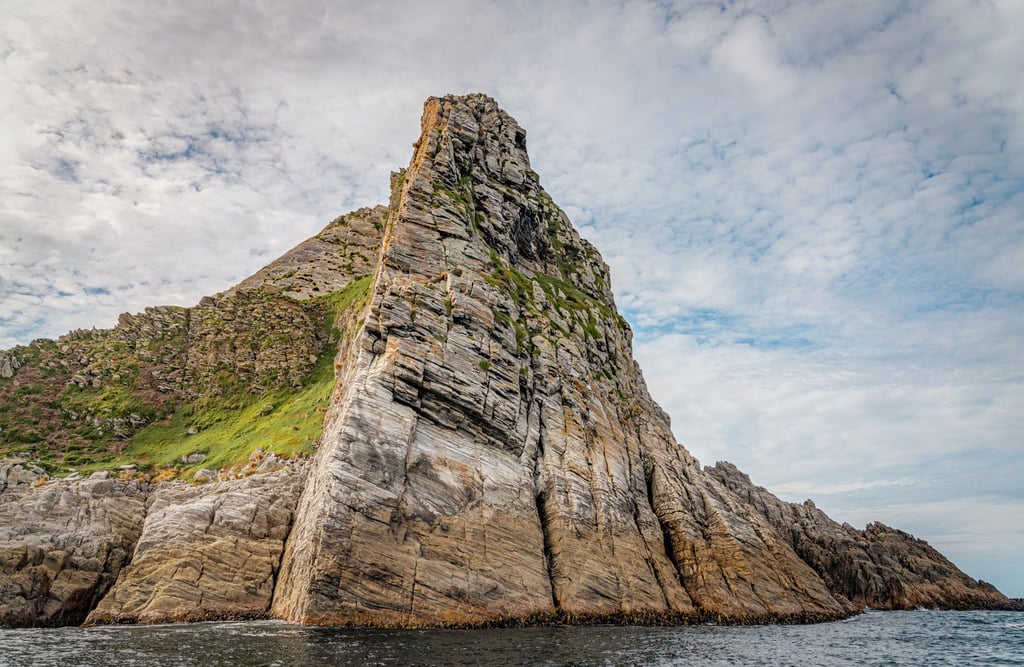
More than 40 years after that defining moment, I finally have the chance to see first-hand what makes this place so special. My destination: Port Davey Marine Reserve, south of the proposed Franklin River dam and at the very bottom of Australia. As the crow flies, it’s less than 150km from Hobart, the state capital, but perilous terrain and a lack of roads mean it’s reachable only by choppy boat ride, a gruelling week-long hike, or a scenic seaplane flight followed by a luxury small-ship cruise. I have chosen the latter.
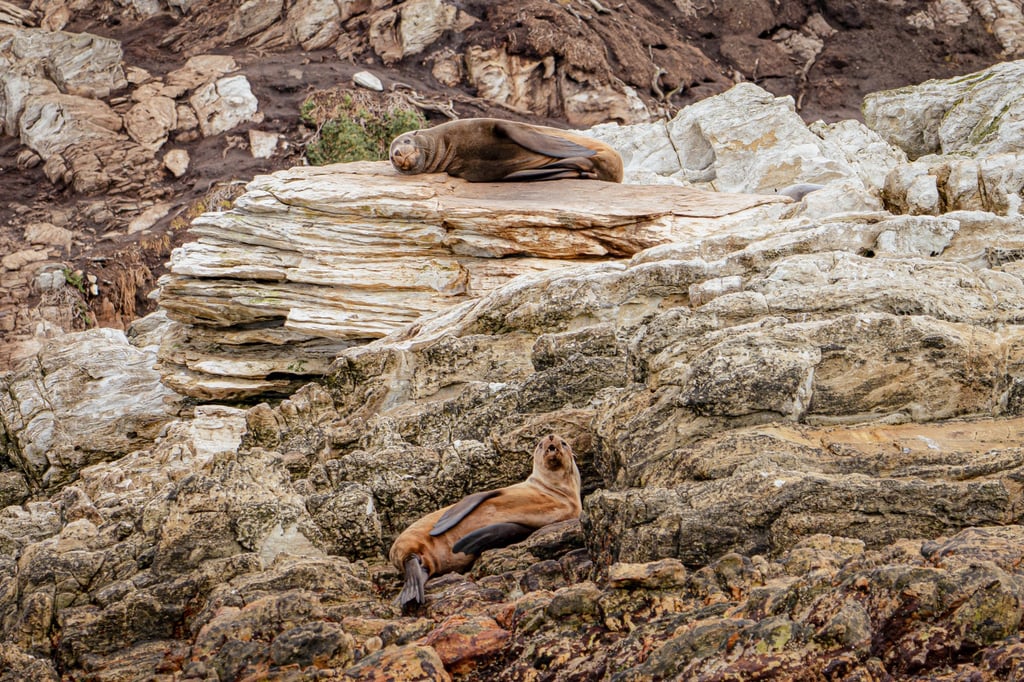
The fly and cruise option is offered by On Board, a family-run expedition company founded by former police rescue diver and abalone fisherman Pieter van der Woude. On Board catamaran Odalisque III carries a maximum of 12 guests in six compact but comfortable cabins, an intimate and exclusive way to venture into the wild.
On a sullen grey morning, six of us gather at a wharf on the River Derwent, Hobart’s main waterway. After a safety briefing, we climb into a small Cessna 208 Caravan for the 50-minute flight to Bathurst Harbour, the starting point of our cruise. Within minutes, the sprawling city disappears beneath us as we trace a path along Tasmania’s southern coast. Our pilot doubles as tour guide, pointing out Bruny Island, with its historic lighthouse, and Lake St Clair, Australia’s deepest freshwater lake and source of the Derwent.