Naked dancing on the beach? What remains of Goa’s legendary hippie haven
A travel writer searches the Indian state in vain for the hedonism of his youth – which is perhaps no bad thing

When I discovered Goa, a former Portuguese colony on India’s southwest coast, while backpacking around Asia in the mid-1990s, it was still very much a hippie place: makeshift beachfront shacks, vibrant craft markets, dirt-cheap food and accommodation, and parties where one could dance naked on a beach until the sun came up. I lost myself in the multiverse of Goa trance, a psychedelic electronic dance music, and felt free. I stayed for six months but have never really left, not in my mind. I even wrote a novel based on the Goa party scene: Getafix (2003).
This year, after an assignment in southern India, I returned to Goa to discover a very different place. In the three decades since my last visit, hundreds of millions of Indians have joined the middle class, acquiring disposable incomes their parents and grandparents could never have dreamed of. They are avid tourists and when it comes to domestic travel, Goa is the destination of choice. The state has also become India’s “spring break” destination, making holidays in Goa a rite of passage for school graduates.
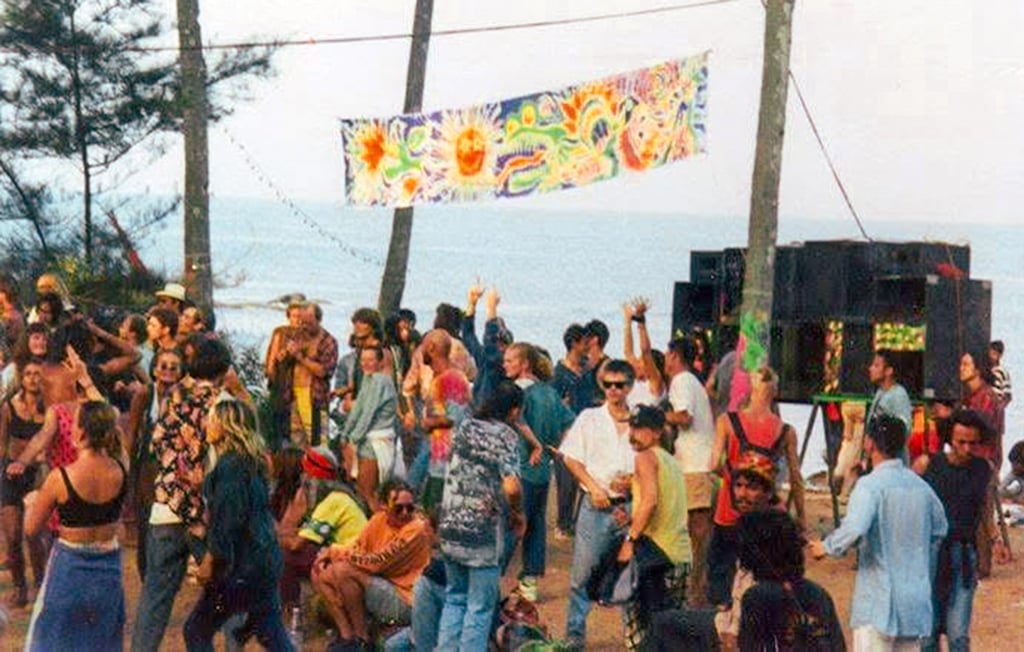
“The parties in Goa used to be free, now you need to pay 1,000 rupees [US$11] for a ticket and they’re full of drunks,” said Frank, a German hippie I met in the holy city of Gokarna, who has been holidaying in southern India since the 1970s. “Whatever you’re looking for in Goa, you won’t find it any more.”