Laid-back Oman is a land of sunlit forts, pink cliffs and vibrant coastal life
The Omani capital of Muscat wears its history well, but traditional boatbuilding and desert castles may tempt visitors into a road trip through the sleepy Gulf nation

Talk of travel to the Persian Gulf usually revolves around the newly opening Saudi Arabia and neighbouring pinprick emirates, the former because there’s nothing like being long closed to tourism to inspire curiosity, the latter for their theme-park atmosphere and architectural bling.
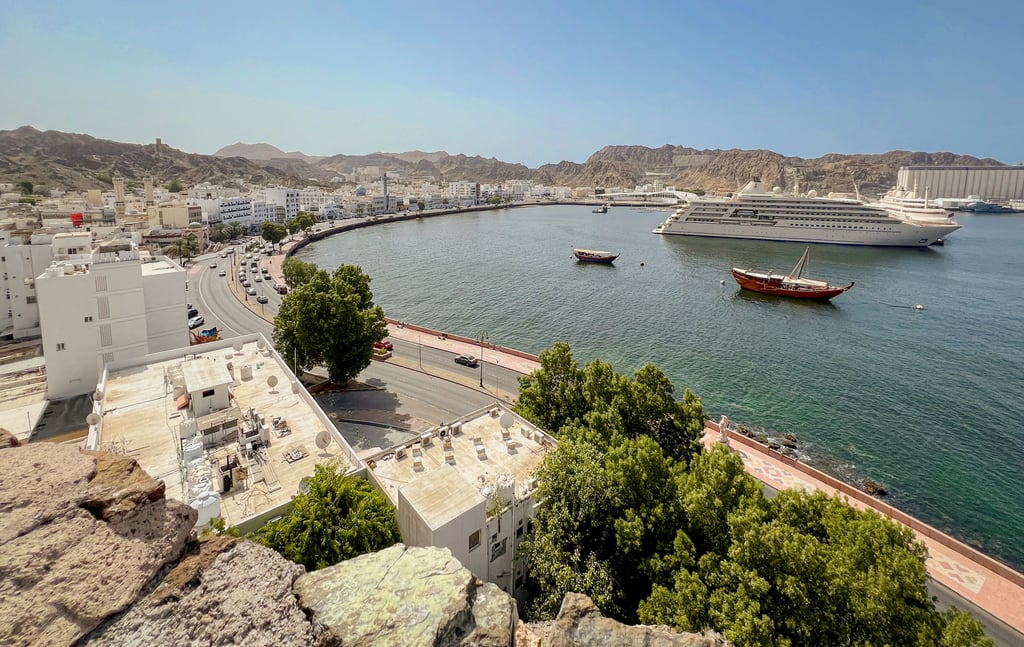
Relatively easy-going Oman is where expats working in the region come for a break from the still conservative Saudi Arabia and the relentless pace of Dubai. The skylines are far lower, the pace far slower and the streets far quieter. There is a sense that traditional Arabia has been partly preserved here, even as the country slowly modernises.
Oman snoozed its way into the 20th century until a 1970 palace coup in which the Sandhurst-educated Sultan Qaboos bin Said (1940-2020) overthrew his father. He began a modernisation of the isolationist state, but the nearest thing to anything architecturally grandiose built in the years since is the capital Muscat’s five-minaret Jami As-Sultan Qaboos (Sultan Qaboos Grand Mosque), one slender spire soaring to more than 90 metres.