8 holiday destinations that embrace clean living and sustainable tourism
Singapore, Copenhagen, Bhutan and others put the planet and local communities first

Increasingly, tourist destinations are embracing sustainability in ways that protect nature and benefit local communities. These places are taking concrete steps to reduce waste, preserve ecosystems and transition to clean energy without losing their appeal. The changes bring cleaner streets, warmer welcomes and healthier environments for residents, along with more fulfilling holidays.
Copenhagen, Denmark
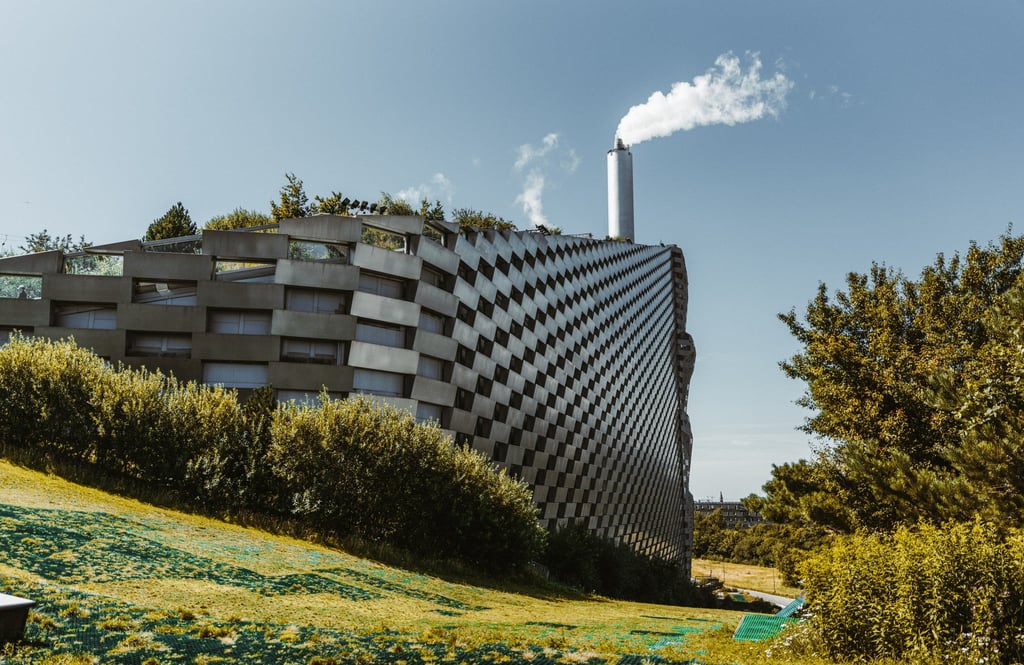
Polished and progressive yet grounded in green values, the Danish capital integrates sustainability into everyday life. Some 60 per cent of residents commute by bicycle along 400km of dedicated lanes and tourists can join them. The harbour is so clean it tempts swimmers, while electric ferries glide through the canals, offering low-impact sightseeing. CopenHill, a waste-to-energy plant topped with a ski slope, draws winter-sports enthusiasts and design lovers alike. Biomass powers the district heating system, rooftop gardens reduce summer heat and eco-conscious hotels follow strict environmental standards.
For a sustainable stay with a city vibe, try the Crowne Plaza Copenhagen Towers, where solar panels, groundwater cooling and upcycled furniture blend comfort with climate action.
Tengchong, China

In China’s western Yunnan province, the highland city of Tengchong pairs dramatic volcanic scenery with green innovation. Geothermal power is widely used to heat buildings and support tourism infrastructure, helping to reduce reliance on fossil fuels. Long-term investments in clean energy, forest conservation and pollution control are reinforcing the wider county’s commitment to sustainability. Protected ecotourism zones preserve wildlife while electric transport and pedestrian-friendly planning help improve air quality and ease congestion. Adjacent to Tengchong County is the 4,055 sq km Gaoligongshan National Nature Reserve, considered one of the world’s richest biodiversity hotspots.
The Banyan Tree Tengchong offers luxury villas with private hot-spring pools and spa facilities, proving that sustainability can blend seamlessly with comfort.
Madeira, Portugal

More than a third of the Atlantic island’s electricity comes from renewable sources, thanks to hydroelectric plants introduced in the 2000s that laid the groundwork and are now supported by wind turbines and the broader adoption of climate-conscious technology. However, sustainability here isn’t only about clean energy. The ancient Laurisilva forest is strictly protected, with limited trail access and drones forbidden in sensitive zones. Instead of sweeping ecological overhauls, Madeira focuses on small, community-driven solutions, such as reviving historical terraces and replanting native crops. Visitors are part of the solution, too. Agro-tourism is thriving, with organic vineyards replacing sugar cane fields and offering tastings, tours and green stays.