MY PARENTS WERE married in Hong Kong in 1949. My mother, who is 98 years old, was also born in Hong Kong, in 1926. I was told by my grandfather that his wife, Tehmi Pheroz Pavri, was the first Parsi married lady to live in Hong Kong on a permanent basis. Prior to that, all married Parsi women were left in Bombay (Mumbai). For some reason, my grandfather, who was already in Hong Kong with his father, brought her out from Bombay after marriage. I think she was all of 17 or 18 years old when she came to Hong Kong, just after the first world war.
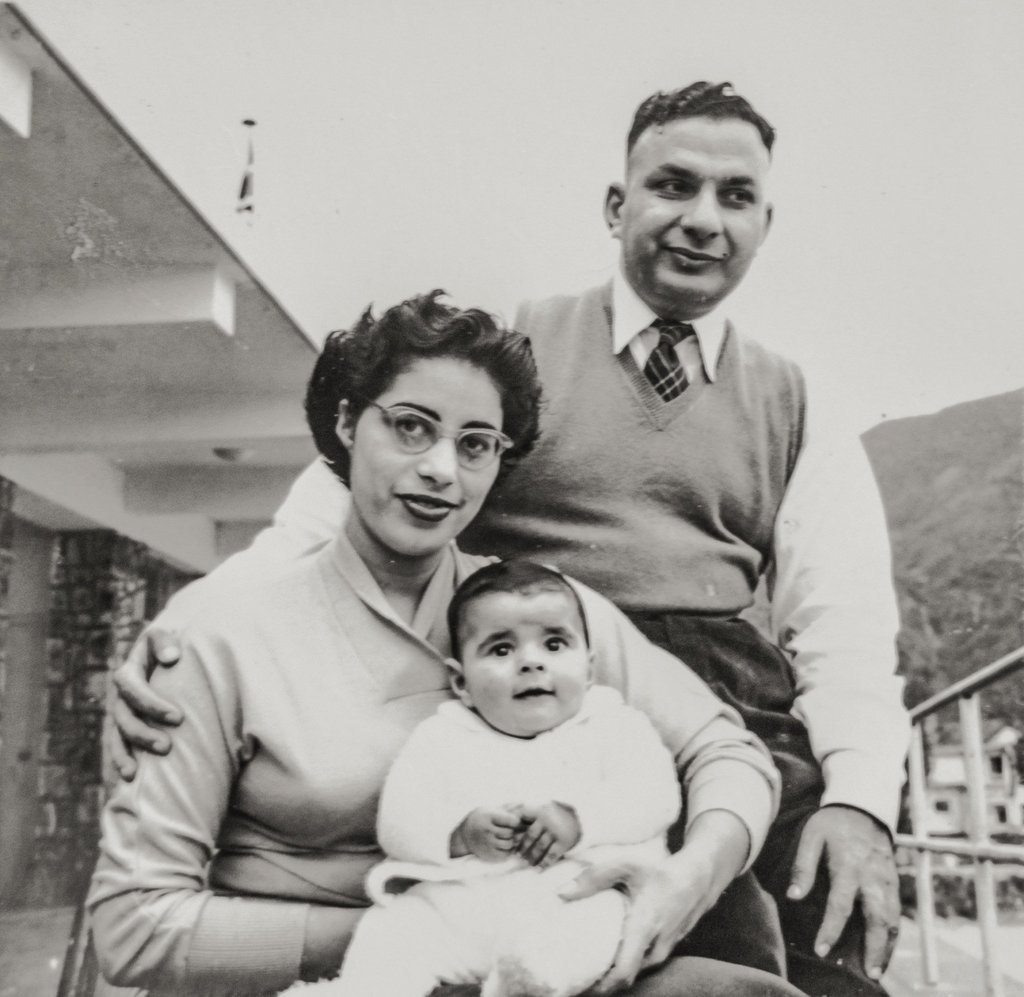
Baby Jimmy Minoo Master with his mother, Ruby, and father, Minoo, at Victoria Recreation Club, Deep Water Bay, Hong Kong, in 1956. Photo: courtesy Jimmy Minoo Master
MY MATERNAL great-grandfather came from Bombay to Canton around 1880 and established a trading office. In those days all Indian and other foreign traders established an office on Shamian Island. Then they had an office in Macau and then Hong Kong. Depending on the tides and the winds, ships used to berth in one of these three ports. After the Boxer rebellion (1900), many foreign traders decided that China was no longer safe and moved en masse to Hong Kong. The Parsi merchants in particular made that decision. So, the permanent community of Parsis in Hong Kong, which was negligible before then, increased dramatically. I’m the fourth generation in Hong Kong and my grandchildren are the sixth, which is very unusual in the Parsi community.
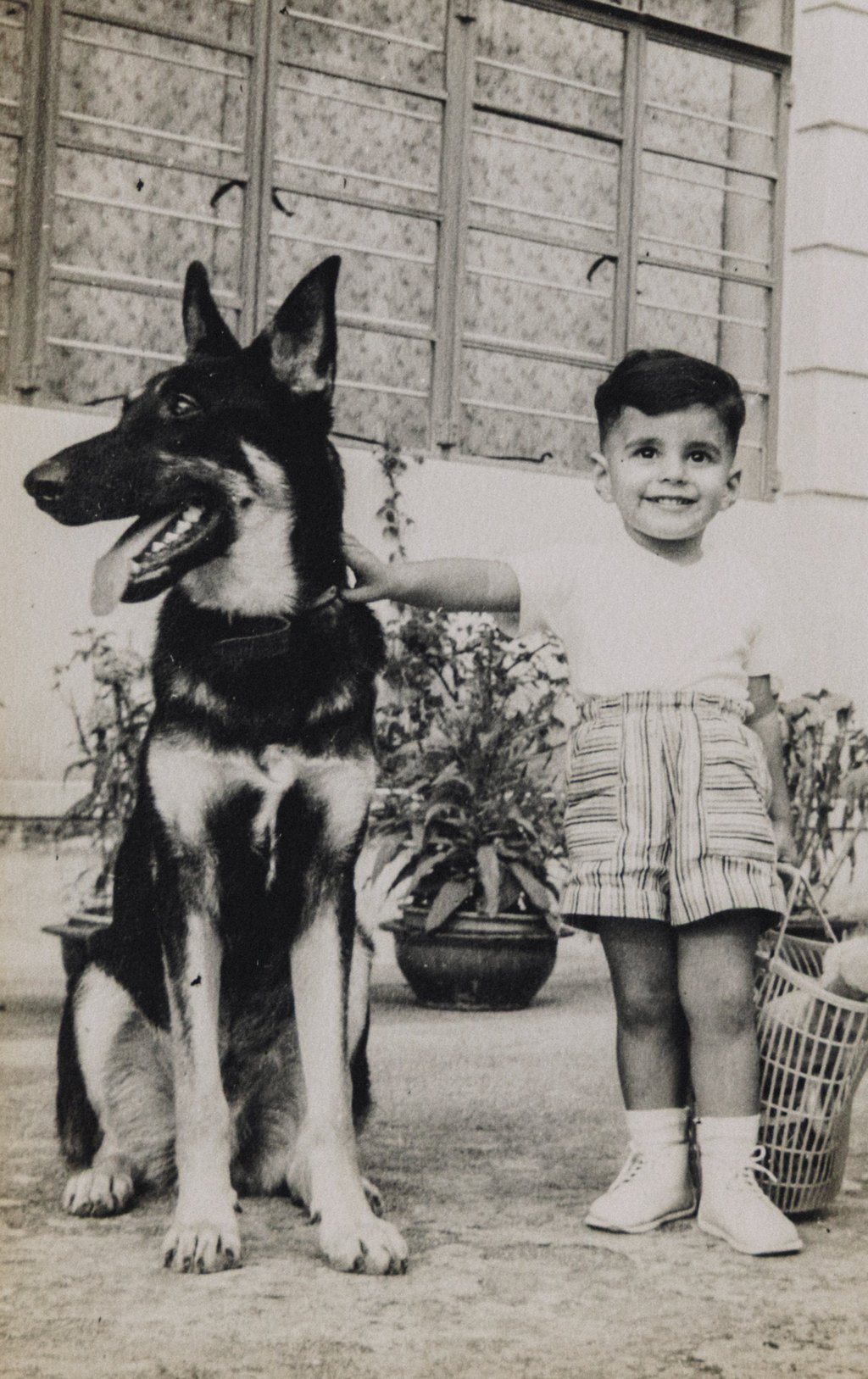
Master and the family pet Rufus, at home in Hong Kong, in 1959. Photo: courtesy Jimmy Minoo Master
I WAS BORN IN St Paul’s Hospital in Causeway Bay in 1955. Dr Samy Pillai, who was a South Indian gynaecologist, was pretty much in attendance for all Indian births at that time. I spent my early years at 32 Wyndham Street. The family had established their residence as well as their office in the same building. The office and the godown were on the ground floor and they lived on the upper floors. Wyndham Street was the main street for commerce as far as the Indian community was concerned.
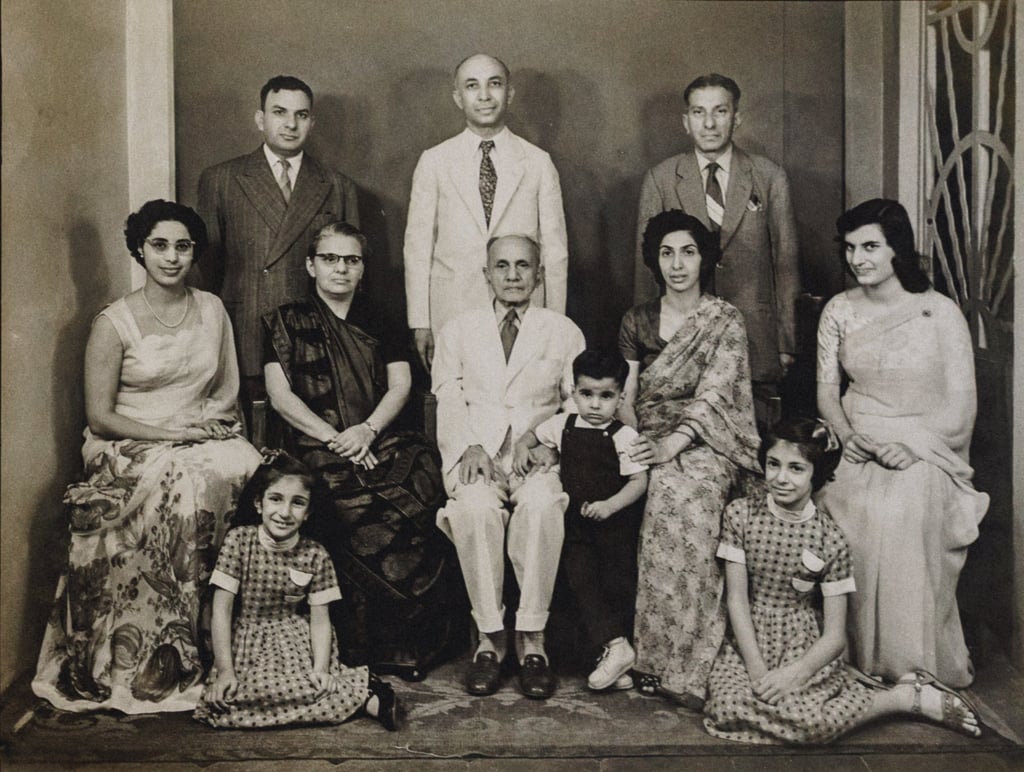
Jimmy’s paternal family, in Mumbai, circa 1958, with his father Minoo (top left) and mother Ruby (middle row, left). Jimmy is standing next to his grandfather (centre). Photo: courtesy Jimmy Minoo Master
IN 1957, MY FAMILY moved out of Central and bought an old building in Repulse Bay, a bungalow which we lived in until 1962, when it was torn down and we redeveloped it into a 12-storey apartment building. There were very few clubs in the area and we spent most of our Saturdays and Sundays at the beach. I became a good swimmer and my daughter is a very good swimmer, so obviously she’s got some genes from me.
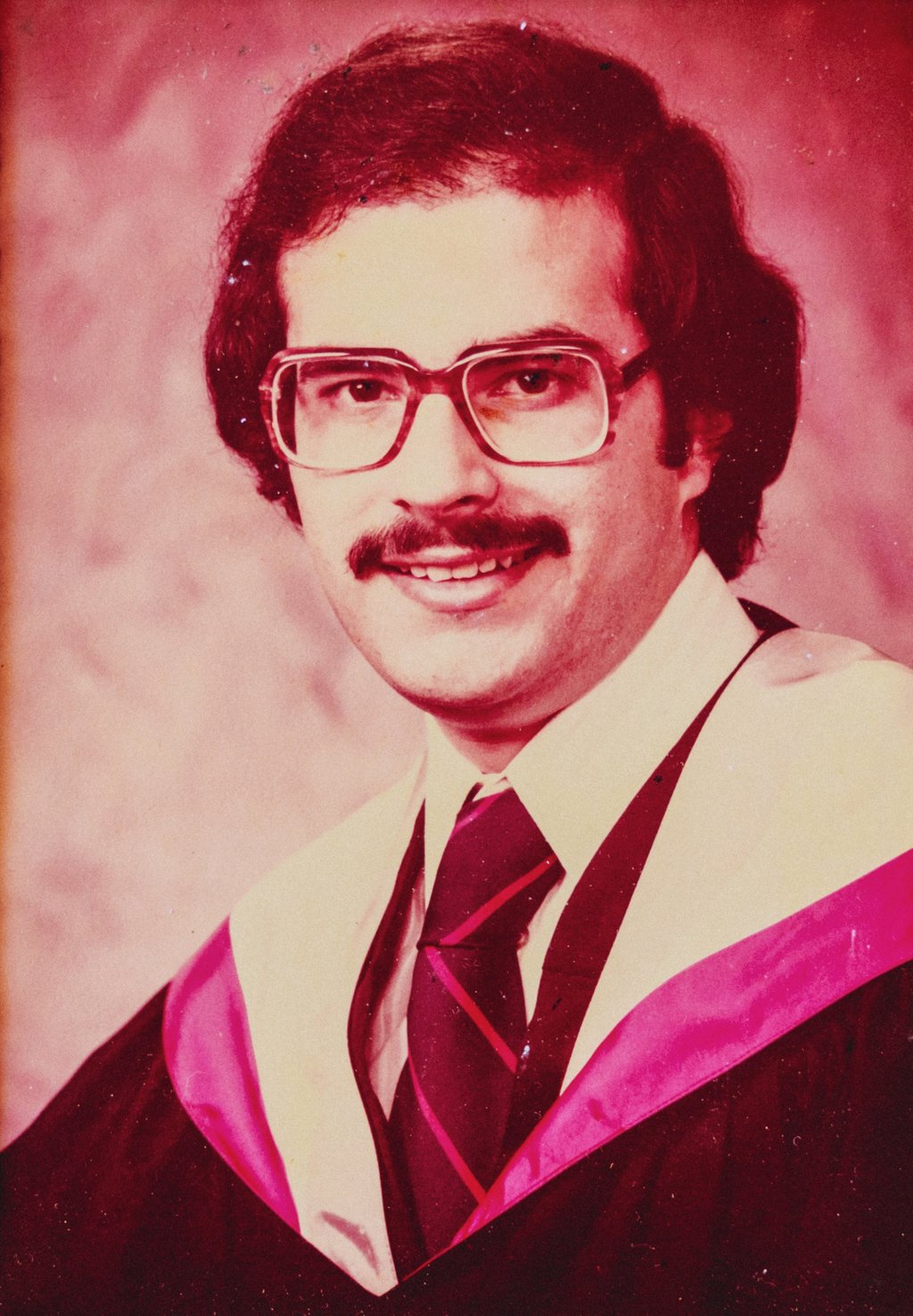
Master’s graduation photo, 1978. Photo: courtesy Jimmy Minoo Master
I ATTENDED kindergarten at Burnside Estate in Repulse Bay, which was an old residential complex on South Bay Road, primarily occupied by civil servants. I was then put into Glenealy Junior School (in Mid-Levels), after which I moved to St Joseph’s College on Kennedy Road and then, finally, for years 12 and 13 to Island School. After that I went to university in Canada to read economics and then to the UK to do a postgrad MSc and MBA. I finished all my tertiary education in 1979 and came back to Hong Kong in 1980.
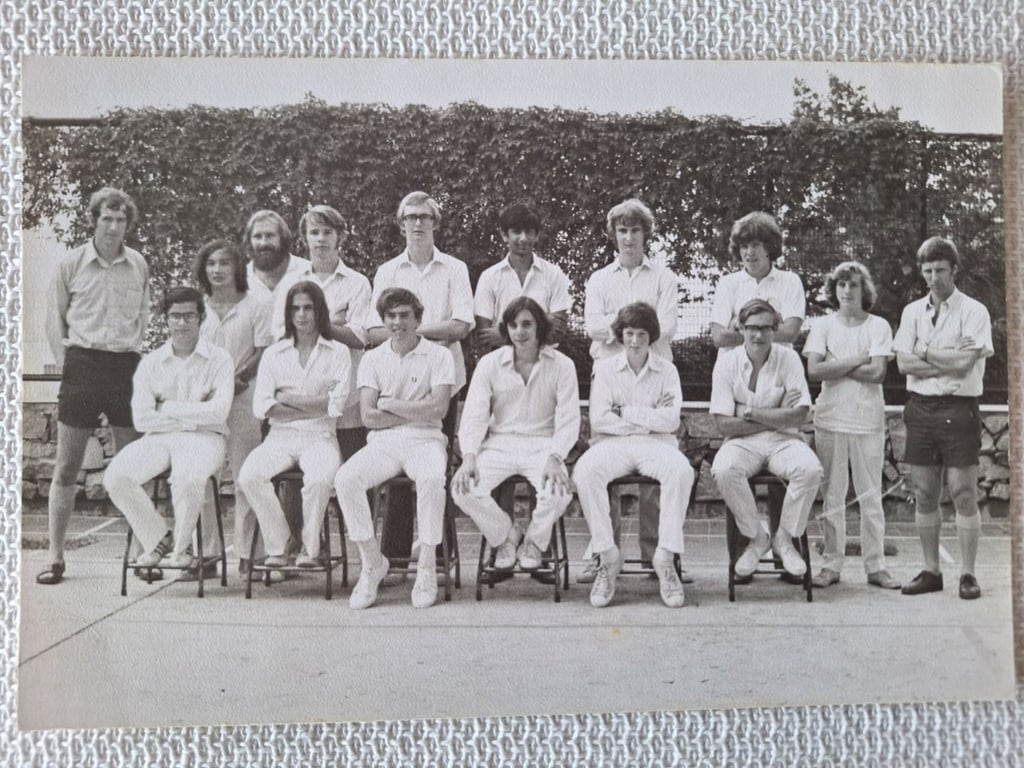
Master (front left) in his school cricket team. Photo: courtesy Jimmy Minoo Master
I WORKED FOR the Hong Kong Tourist Association as the marketing executive for India, trying to bring in Indian tourists and organising tour packages with the travel trade in India into Hong Kong. I used to travel to India about four times a year, working with the national tourist body and with the airlines to promote tourism into Hong Kong. That’s how I met my wife in 1981. She was working in a travel agency I was visiting. And, of course, in 1982 the discussions over the future of Hong Kong began. I remember her father telling her, “Look, you know, you don’t know what you’re going into, this Hong Kong, think very hard if you want to get married to a boy in Hong Kong.” Anyway, she took the plunge and we’re still together 43 years later.
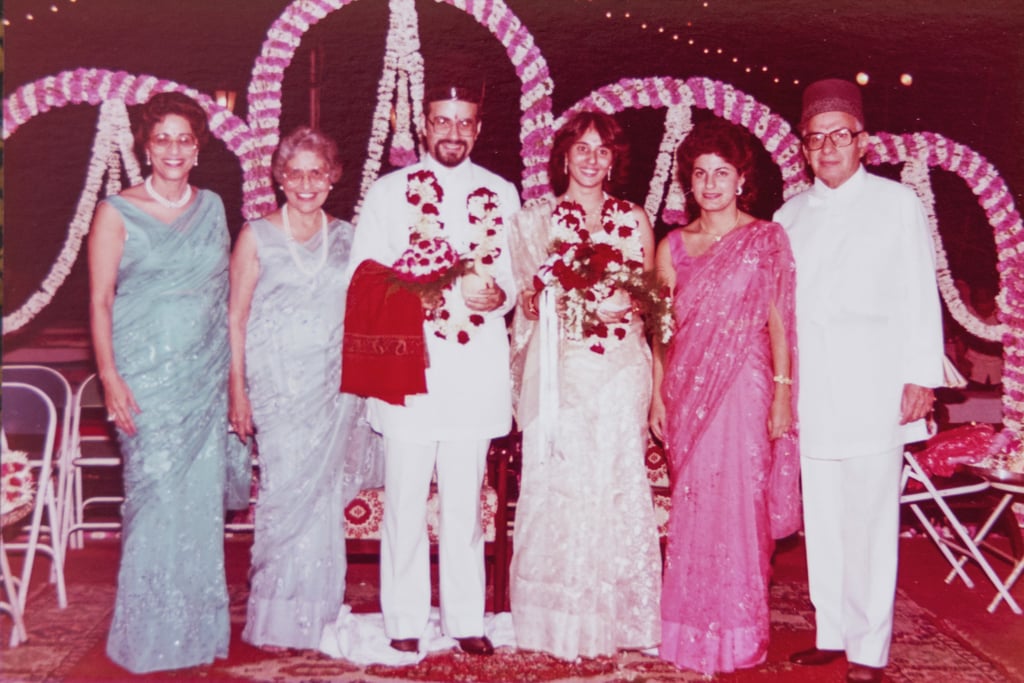
Jimmy and Niloufer’s wedding photo, taken in December 1982, in Mumbai. From left: mother Ruby, maternal grandmother Tehmi, Jimmy, Niloufer, his sister Tehmi and father Minoo. Photo: courtesy Jimmy Minoo Master
I WORKED for the tourist association for about three years, after which I was recruited by an Indian textile company to establish their office in Hong Kong. The initial business was to import fabric made in our mills in India and have it bleached and dyed in Hong Kong for re-export to Australia. It was all cotton and the reason we used Hong Kong was because this fabric was used for bedding and Hong Kong had developed really high-quality finishing, so we brought the fabric here for final processing. From that, we started doing the same thing in China. We then extended this business into the manufacture and filling of quilts and comforters in Thailand and then we started exporting to the United States, Germany and Austria. This business really got going between 1986 and the early 1990s, after which we were basically wiped out on cost, efficiency, quality and, of course, price. To this day the Chinese dominate the business.
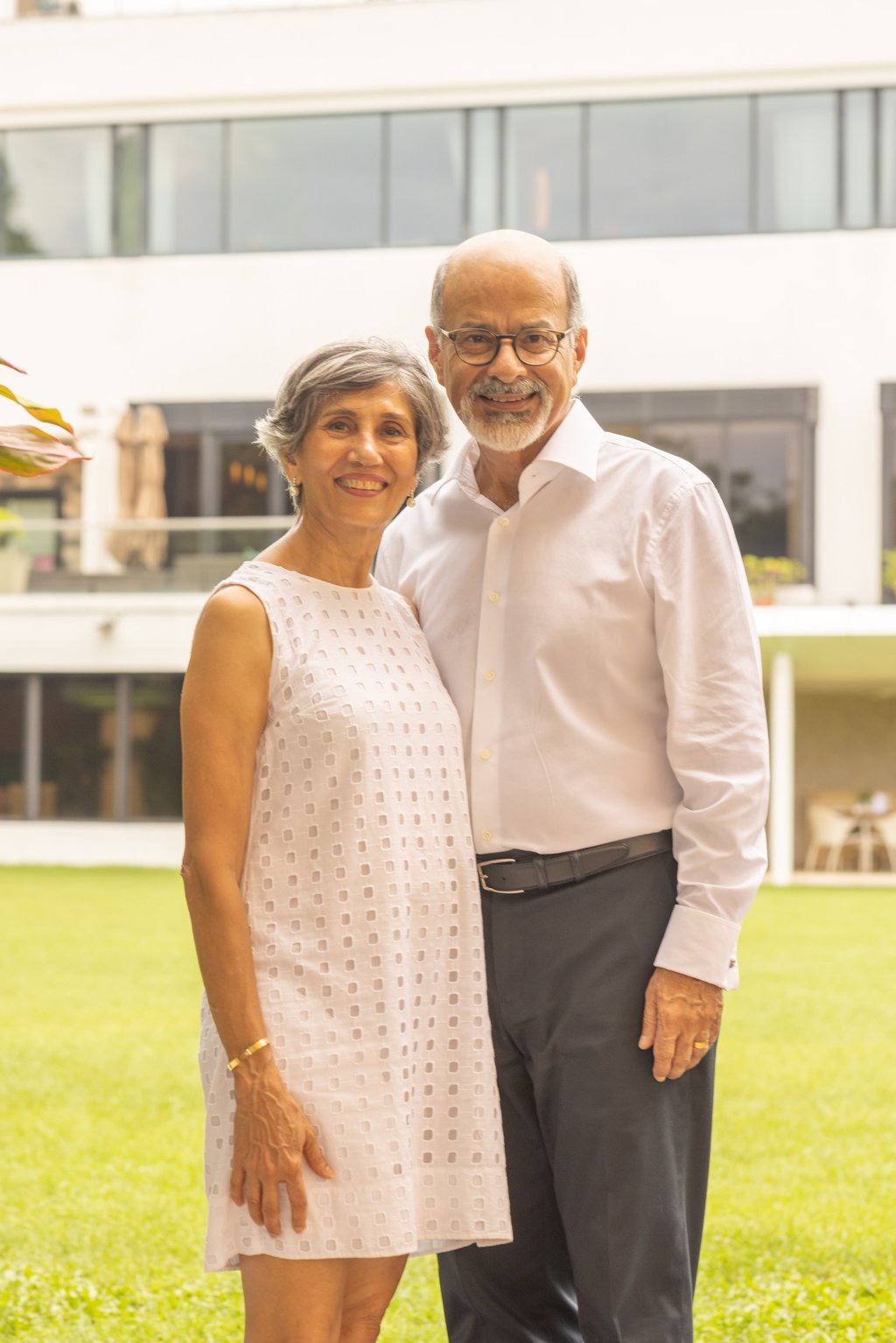
Jimmy and his wife Niloufer. Photo: courtesy Jimmy Minoo Master
I THEN MOVED into asset management. I had a number of clients who were interested in asset management services with funds that they needed to be invested and I started working on their behalf. Then, in 1997, I started a formal relationship with a banker whom I had come to know in one of the private banks we were working with to establish an asset management company in Switzerland. We got this business up and running in the year 2000. My banker partner brought on board his client base, and I had my own client base. We put them onto a platform and ran this business very happily and successfully until 2023, by which time both of us were 68 and decided, post-Covid, that we would call it a day.
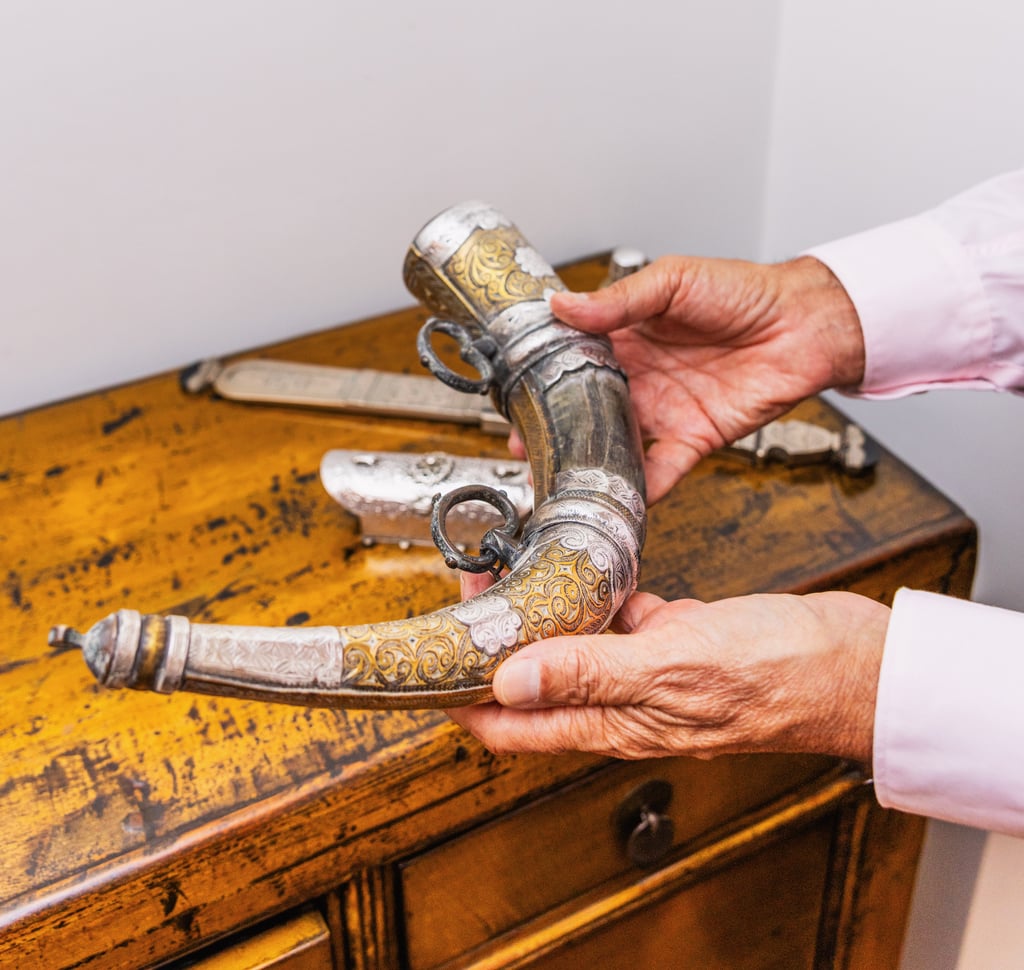
A vintage horn from Morocco is part of Master’s collection. Photo: Jocelyn Tam
IN RETIREMENT, I work for three non-profit charities. One is the Help the Blind Foundation, which is an India-based charity that raises funds and educates blind children from a very early age, right through to university level. The second organisation I work with is the SPCA in Hong Kong – I’m on the finance committee. The third is our family’s charity foundation, which we established to provide an easy way for us to get together and make unified charity decisions rather than have different branches of the family doing their own bits and pieces. Myself, my sister’s family, along with our children, are involved in assessing various charities and distribution on a yearly basis. It’s called the Ruby & Minoo N Master Charity Foundation. Both my girls, one is 36 and the other 40, and their respective spouses, they all see a future for themselves in Hong Kong. All of them are fluent in Mandarin. I have four grandchildren.
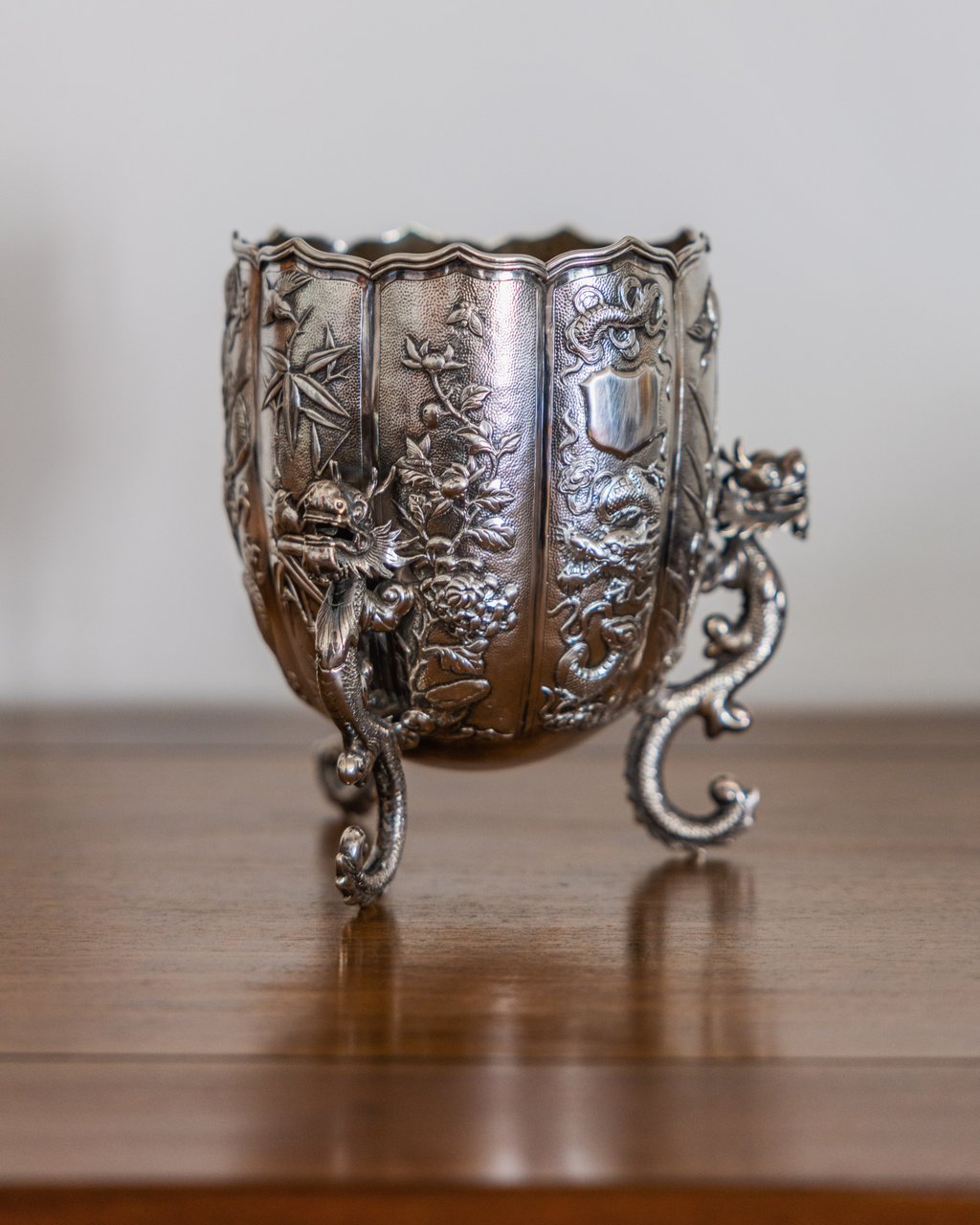
A piece from Master’s collection of vintage Chinese silverware. Photo: Jocelyn Tam
I PICKED UP golf in the 90s and now I play at least twice a week, sometimes three times. I’m a member at Shek O Country Club. I’m pretty good, (with a handicap of) about 11. It’s good fun, it keeps you outdoors, you’re physically active, you meet nice people and you’re in a beautiful part of Hong Kong. The competitions normally take place on a Sunday, and Sunday for me is family day. It’s the only day when the whole family gets together. So I tend to leave the competitions alone, at least for the time being, and enjoy the kids while they’re young. They grow up so quickly.
This interview has been edited and condensed for clarity