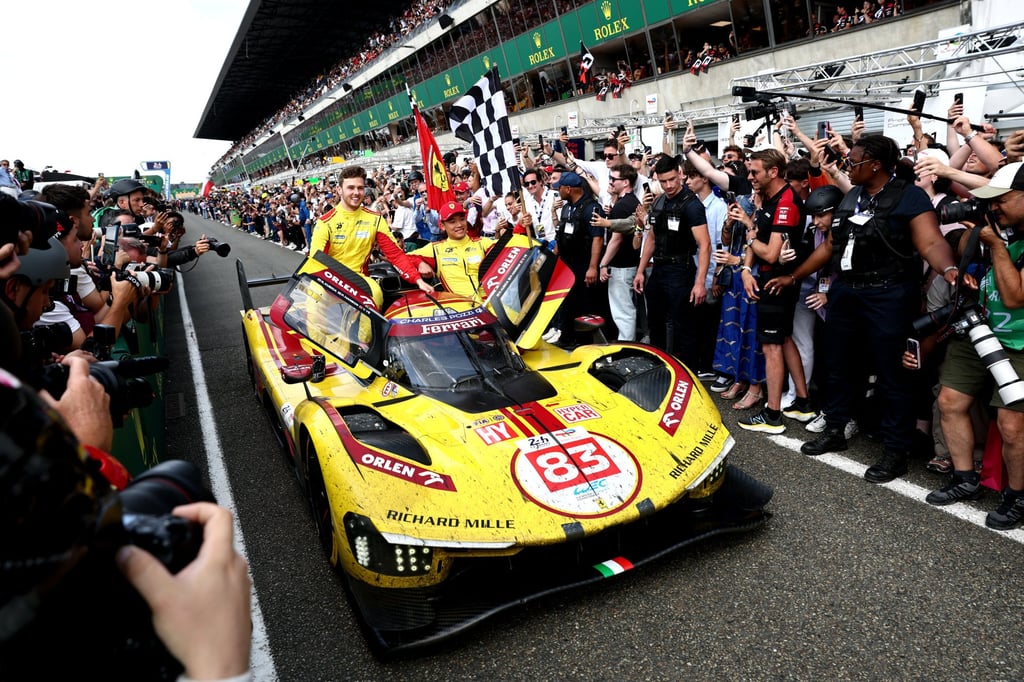
Meet the one-track minds behind the Le Mans 24-hour race
A look at the changing face of the world’s most famous endurance race, won this year for the first time by a Chinese driver

“The first night session couldn’t have been more stressful if there were snakes in the car and meteorites falling from the sky.”
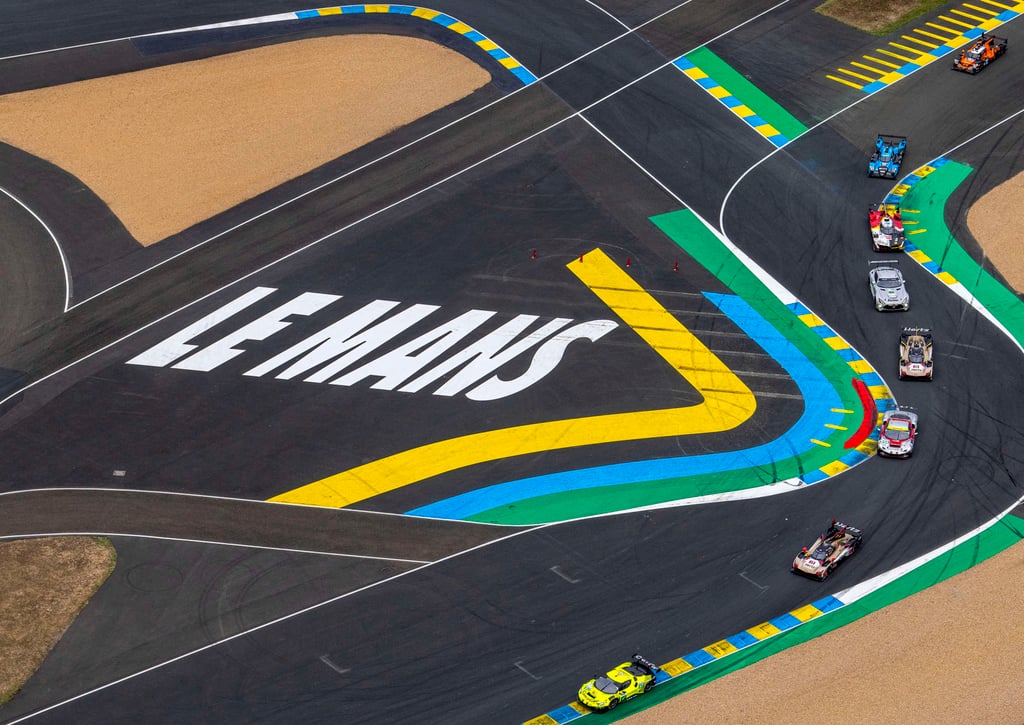
Last month marked his debut at France’s legendary endurance race, alongside fellow Hongkonger Jonathan Hui Kin-tak. They were two drivers on the 62 teams competing at this year’s race, and for a city that’s only ever had a handful of Le Mans entries, their presence stood out.
Before the engines fired and the Tricolore dropped, both drivers had already run a gauntlet of simulator training, scrutineering, test laps and town parades. Hui, who grew up watching race highlights on VHS tapes mailed from Europe, called the experience “larger than life”. Au, for his part, had simply hoped to survive the first night intact.
I remember that feeling. In 2007, I became the first driver to represent Hong Kong at Le Mans. I didn’t win (far from it), but I still remember the calm in the cockpit at 3am, headlights piercing the dark, time stretching out like the road ahead.
Le Mans is known for its engineering and endurance, but it’s also a reflection of racing culture: how sport, style and identity come together. The fans, the brands, the atmosphere around the track.