Magang geese and jazz: Gen Z siblings put a modern twist on Guangdong’s culinary heritage
For more than a century, the Magang goose has been the taste of homecoming for Kaiping’s diaspora. PostMag meets the second-generation brother-and-sister restaurateurs who are digitising that inheritance – tracking the bird from their own farm to the banquet table

At a farm in Kaiping, in Guangdong province, in a rural landscape punctuated by weathered diaolou watchtowers, low-rise ancestral halls and countless rows of neatly stacked earthenware jars of ageing soy sauce, a flock of Magang geese is enjoying the soulful crooning of Bobby Darin.
In fact, these birds have been listening to a lot of jazz lately, not just “Beyond the Sea”. The playlist also includes Bob Acri and Richard Rodgers numbers – tunes your grandfather might have nodded along to. But geese being geese, the waterfowl have responded the only way they know how: by squawking like babies, utterly unmoved by the sophistication of the soundtrack.
Curating the music are John Ou Jiajin and Karen Ou Jiawei, Gen Z siblings who grew up in Guangzhou, studied abroad, came back to China, to their father’s birthplace, where an old family home still stands and relatives still linger, and now manage this 14.6-hectare (36-acre) operation in one of Guangdong’s most storied qiaoxiang (“hometown of overseas Chinese”).
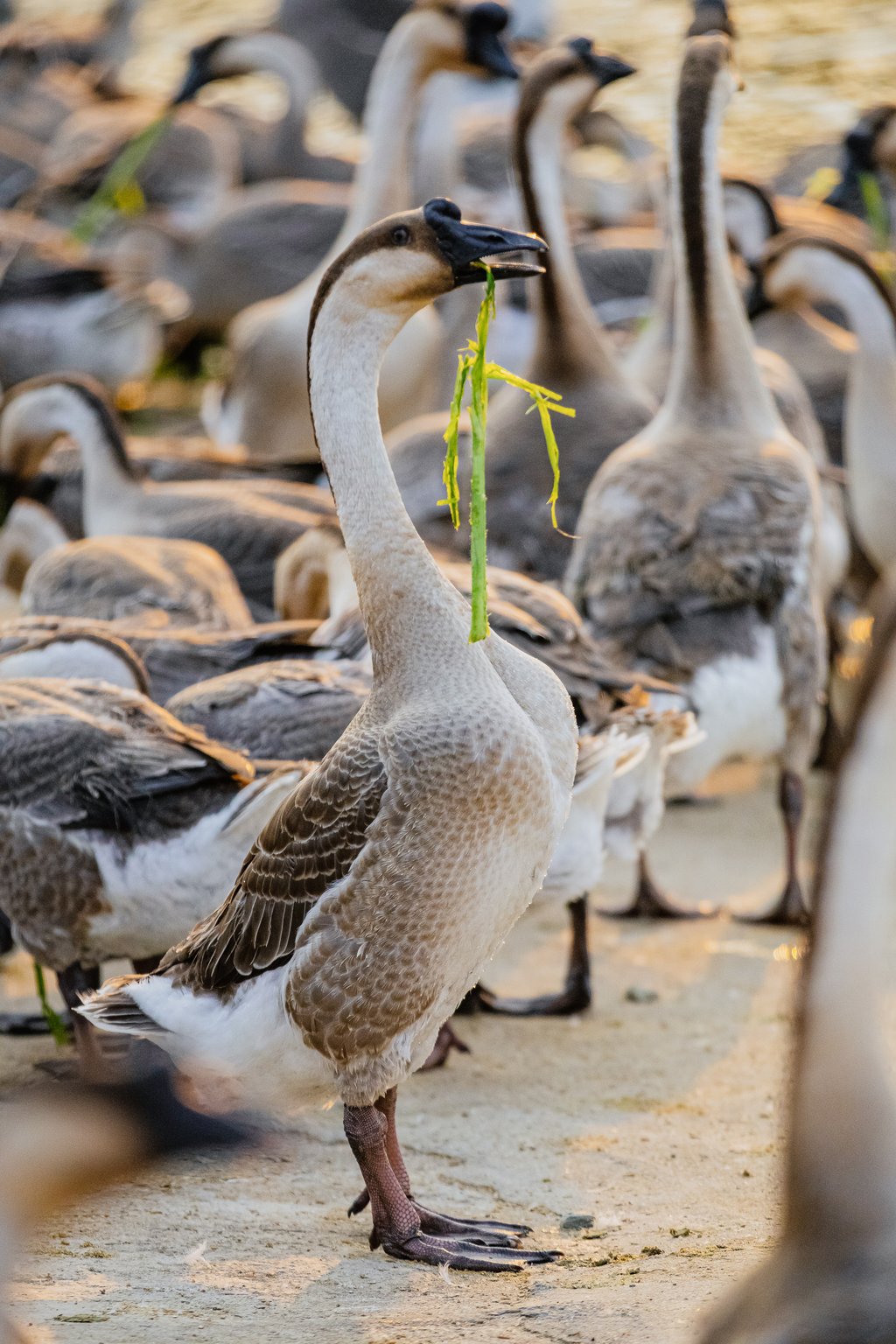
With their international education, global exposure and East-and-West-influenced perspective, the Ou siblings could be running a tech start-up in Guangzhou, or any other first-tier powerhouse city in mainland China. Instead, they are at the farm, inspecting eggs and keeping a close eye on their flock, soothing them with notes of easy jazz after reading scientific studies on how music improves animal welfare and reduces stress.
“I didn’t choose the goose. It chose me,” says John Ou.
Or perhaps his lineage did – the Ou clan has been rooted in Kaiping for at least eight generations, he estimates, one of the many families in this qiaoxiang whose identity has long been tied to the Magang goose, a breed native to the region.
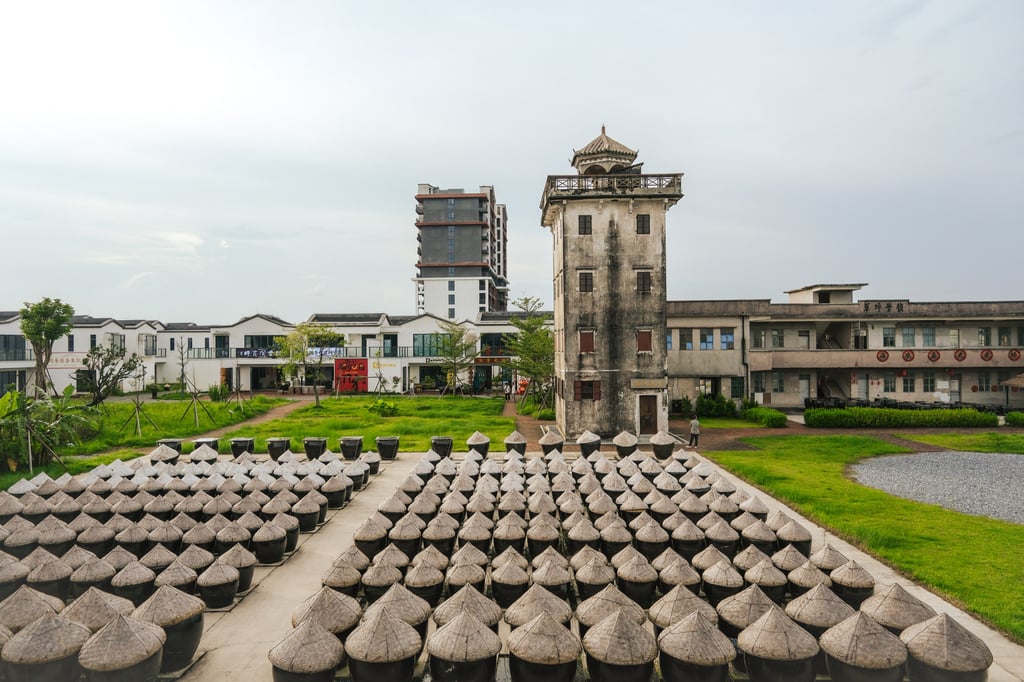
More recently, that ancestral link became a business. Since 1991, John and Karen Ou’s father, Ou Yousheng, has run a 20-restaurant-strong culinary empire, the Guangzhou Yaohua Catering Group, where the bird is a signature dish. When the government launched a conservation initiative to protect the local Magang species, the Ous expanded their operations to meet the required standards. In 2009, the family’s Jinbaotian Magang Goose Ecological Conservation Base was recognised as an official breeding station and given the distinction of an organic-product certification. Already known for putting the Magang goose on the table, the Ous were now responsible for keeping it alive in the fields, maintaining a flock of 200,000 to 500,000 birds.