The Chinese bistros Gen Z can’t stop posting about have arrived in Hong Kong
Shanghai and Hong Kong’s bistro boom is fuelled by young diners seeking regional flavours beyond the familiar Sichuan ma la

Sophie Wang Yuan had long wanted to serve dishes from southeast China’s Jiangxi province, whose cuisine is known for its heartiness and heat. So, in 2019, she opened Latang, a name that translates as “a spicy hall/room”. The Shanghai restaurant, full name Latang Xianla Restaurant Jiangxi Cai, went viral as content creators from across China and even Japan swooped in to subject themselves to its now-famous chilli challenge.
“Jiangxi food was having a moment,” says Wang. “At Latang, our focus was on stir-fries and rice noodles, but a lot of our customers also wanted a cosy spot, a nicer environment where they could sit down, have drinks, hang out with friends and enjoy authentic Jiangxi dishes.”
Merging the concepts, she opened the Fuqingcheng Orange Bistro – known mostly as Orange – last December, in downtown Shanghai, near the Jingan Temple.
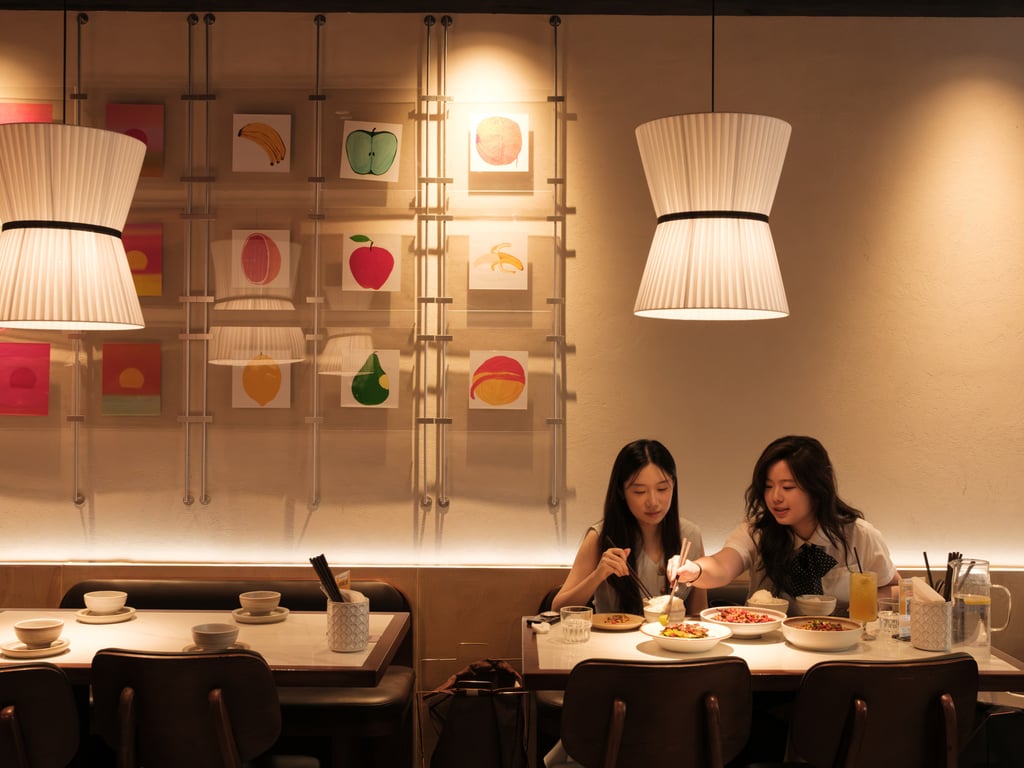
Her timing was perfect. Fuelled by social media buzz, “Chinese bistros” have recently grown into a nationwide phenomenon. Search results on the popular Dianping restaurant rating app show more than 130,000 bistro-related entries in Shanghai alone, and more than 110,000 in neighbouring Hangzhou. On social media and e-commerce platform RedNote, the hashtag #bistro has more than 152 million views.
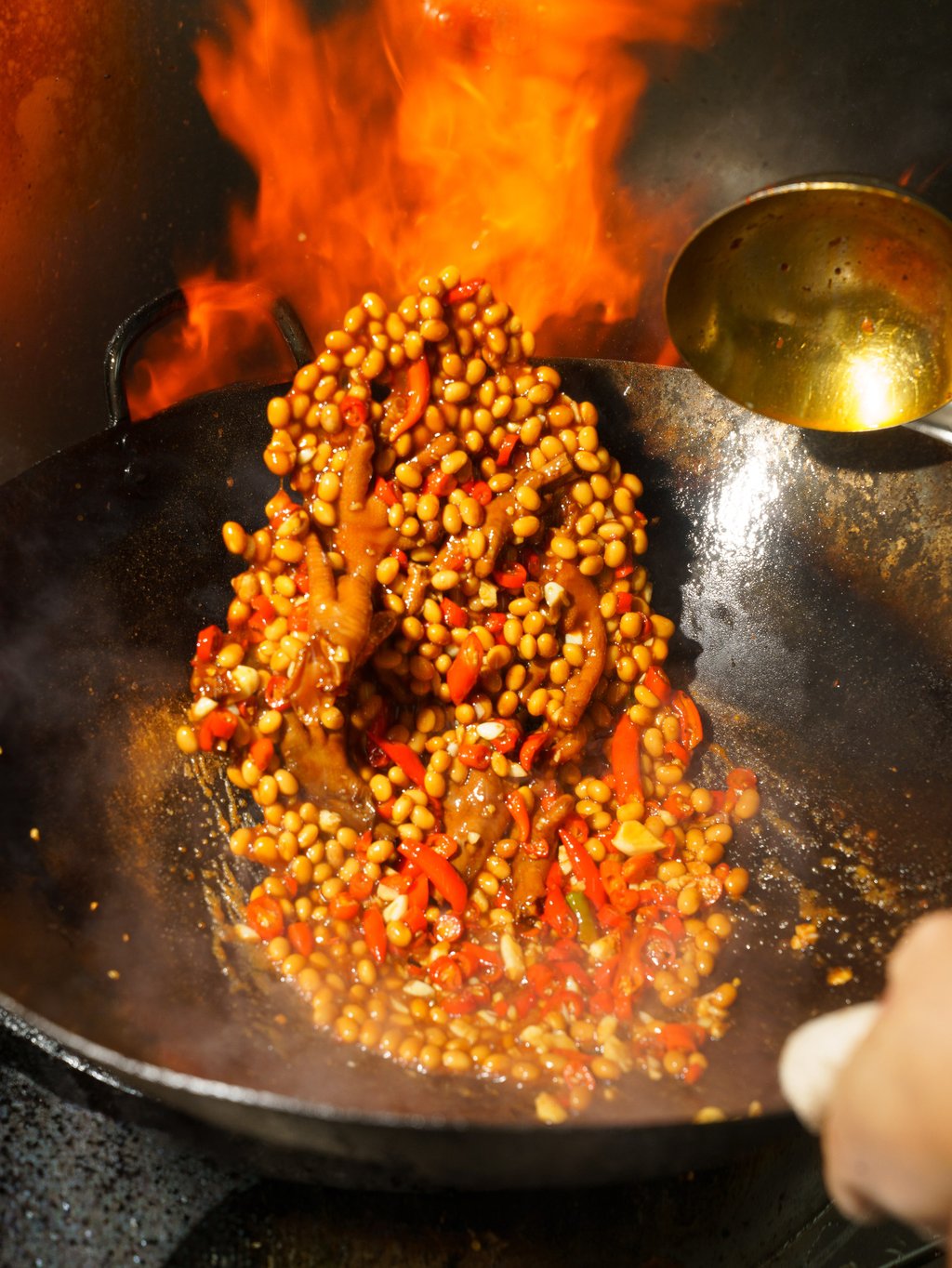
By then, cheap-and-cheerful Yunnan-Guizhou (Yun-Gui) style restaurants accounted for 3.1 per cent of China’s full-service dining market. The year 2024 saw the launch of a number of names that now dominate what’s become the “Yun-Gui bistro empire”: Shanye Banzha, Yeego and Ameigo, and expansion has been relentless.