CityU’s Power of Play exhibition explores 5,000 years of games from Senet to eSports
CityU’s latest exhibition investigates ‘the power of play’ as a socio-cultural phenomenon down through the ages and all around the globe

These days, the idea of games might be tied to our phones or consoles. But “The Power of Play: History, Art, Technology and Impact of Games” exhibition at City University (CityU) is showcasing games as artefacts of cultural importance.
The exhibition is divided into six sections, exploring what games are, challenging common misconceptions about them and tracing the evolution of play, from early civilisation through to modern technological breakthroughs, including the printing press and computers.
“The selection in this exhibition reflects the extraordinary range of play, from games of competition to those where the goal is simply to get lost; from games whose rules have faded from memory to works that satirise the current moment, and those that invite players to explore and reconfigure their own world. Together, they reveal the vastness of game design as a truly diverse and endless phenomenon,” says Espen Aarseth, the exhibition’s curator, as well as the dean and chair professor of CityU’s School of Creative Media (SCM).
Put simply, the breadth of play across cultures and contexts is captured here.
The exhibition starts with Senet, from ancient Egypt, one of the oldest known board games, dating back 5,000 years. Here, a reconstruction of the original game is juxtaposed with three contemporary interpretations. Across different eras and forms, the game continues to pose the same essential question: how does one navigate the systems that govern existence?
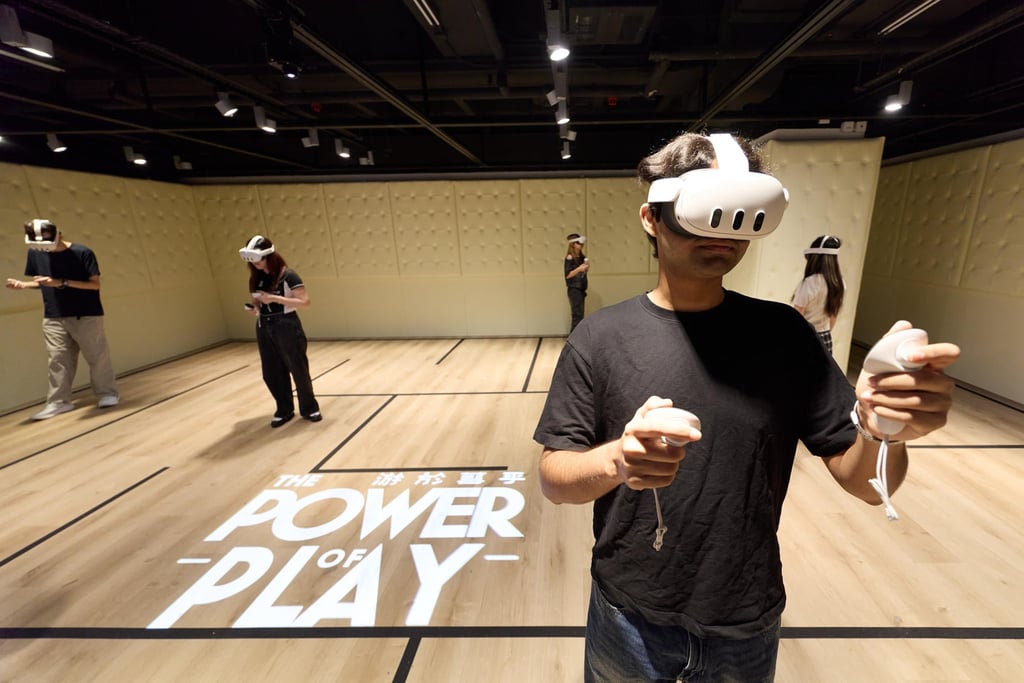
Next, we are transported to the 1980s, the early days of video games, in the Lost? In the Labyrinths section. This retro-inspired room uses virtual reality to create three immersive mazes for visitors to explore. The labyrinths are intended as a metaphor for life’s uncertainties and hardships, according to the curators. But much like life, let’s not forget to just have fun with it.
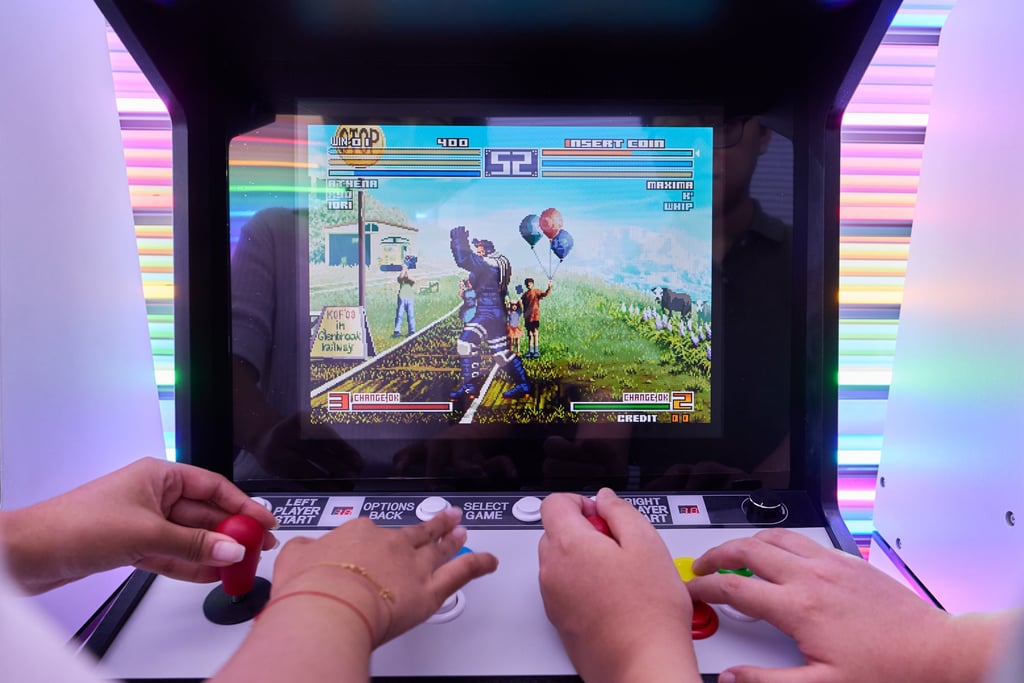
The next section asks the eternal question about games in its name: Good, Bad or Innocent Fun? While the exhibition frames games as cultural underdogs, it also interrogates the gambling aspect and violent nature of some games.