The human faces of China’s belt and road strategy, through Liu Heung-shing’s lens
The Pulitzer-winning Hong Kong photojournalist trades megaproject metrics for intimate portraits of how China’s new Silk Road is rewiring everyday lives

It is barely light when Liu Heung-shing starts the day in his art-filled Happy Valley apartment. But then, the photojournalist has always believed in getting to the story before everyone else.
Liu, 74, wakes at 5am to spend three hours reading the news, coffee in hand. Despite being “long retired”, the Pulitzer Prize-winning photographer takes note of where he might want to visit next.
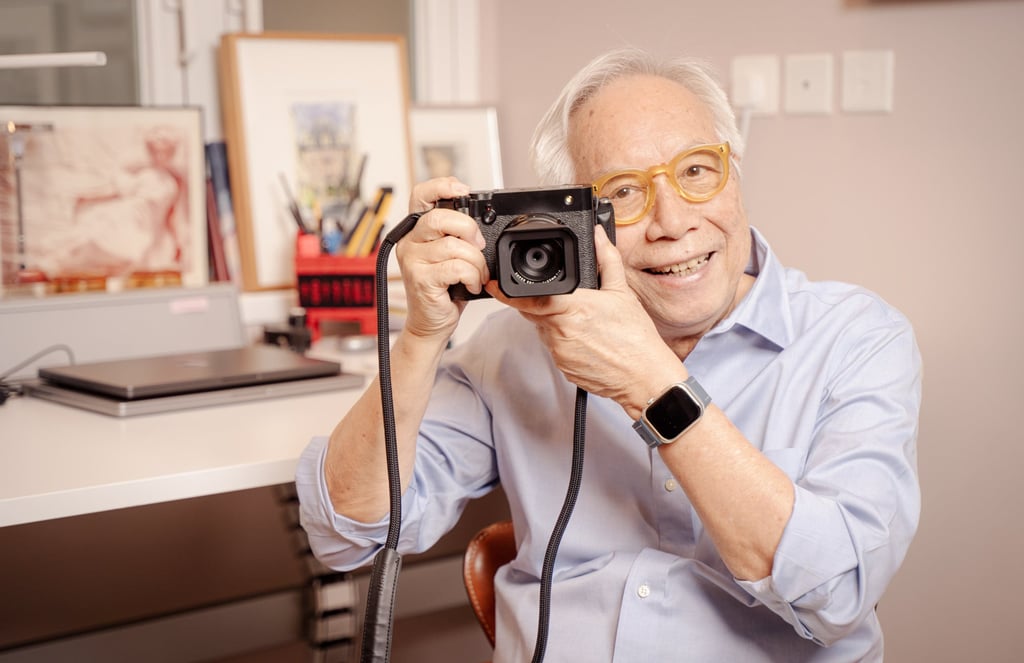
“There are so many ways to tell a story. Sometimes, the most difficult decision is when not to press the shutter, rather than when to press the shutter,” he says, while cooking and sipping a glass of Chablis. He has invited me to his home for dinner and to discuss his most recent book, Old Road New Connections: China Builds a Different World, for which his shutter charted a global odyssey following the tentacles of China’s Belt and Road Initiative. If the initiative sounds abstract in policy papers – six economic corridors, hundreds of billions in cumulative investment, more than 150 participating countries and 230 cooperation agreements – Liu’s book is an attempt to humanise that scale.
“I knew it was also a human story of Chinese going around the world, doing things, changing things and putting a uniquely Chinese stamp on different parts of the world.”
In many ways, the project is typical Liu: ambitious, self‑assigned and pursued with a mixture of stubbornness and curiosity.