Rail and road: the benefits of China’s full-system transport makeovers
China is getting transport networks right by building complete systems all at once

I visited China after the pandemic. The thing that struck me was how different it sounded, and then, once I started paying attention, how different it moved. Every Didi I called in Shanghai was a different make. A BYD, then a Zeekr, then an Avatr I had never heard of. I started waiting for the app to reveal its hand, a small thrill each time, and got a quiet burst of joy whenever it was a Hongqi.
The variety of electric vehicle (EV) brands is in every first-tier Chinese city, but Shanghai is where it gets faintly ridiculous. The city is home to SAIC, one of China’s oldest state-owned carmakers, and to Tesla’s Shanghai Gigafactory. For years, its notoriously brutal licence-plate lottery has waved EV buyers straight through. The result is the highest EV adoption rate of any Chinese city, and a fleet to match: a different marque every ride.
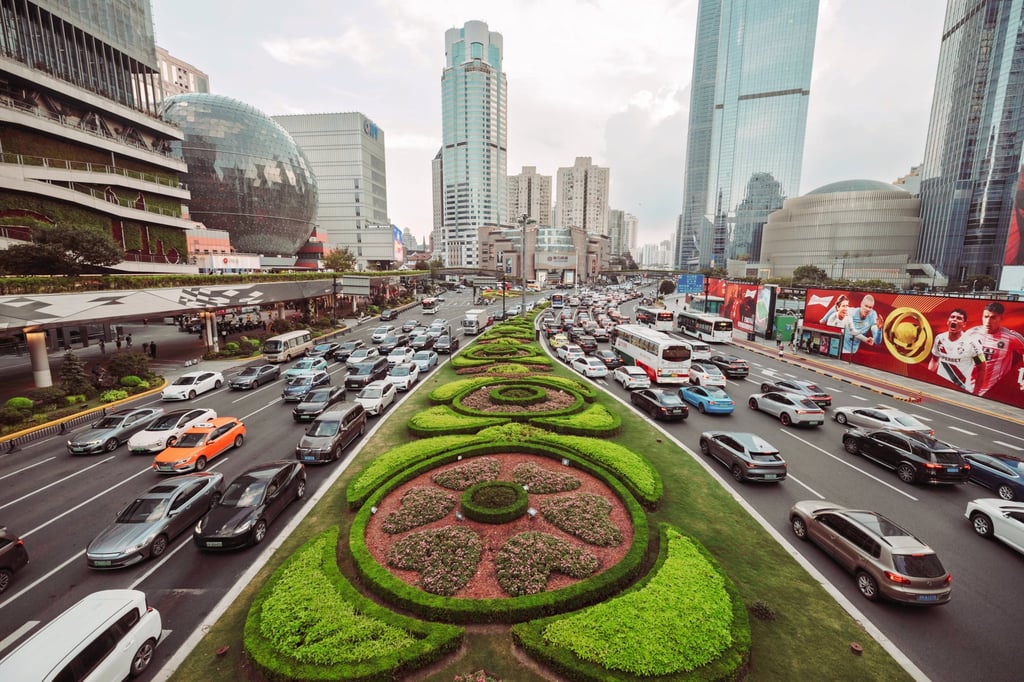
Once, a sleek blue saloon slid past me, and I mistook it for a Porsche – the silhouette, the sloping roofline, the whole stance. A closer look and it was a Xiaomi SU7; Chinese social media got there before I did and nicknamed it “Mi Porsche”. When you think of a phone company building cars that look suspiciously like a six-figure German sports saloon, the mix-up says plenty about how far the design has come.
In Chengdu, Sichuan province, I walked into a swanky Huawei shop intending to browse phones and laptops. I found what I was expecting – and then full-sized electric cars on display, like an expensive impulse purchase by the till. This is uniquely Chinese: the brand that sold you your phone also sells you the thing you drive it around in.
How the cars got everywhere
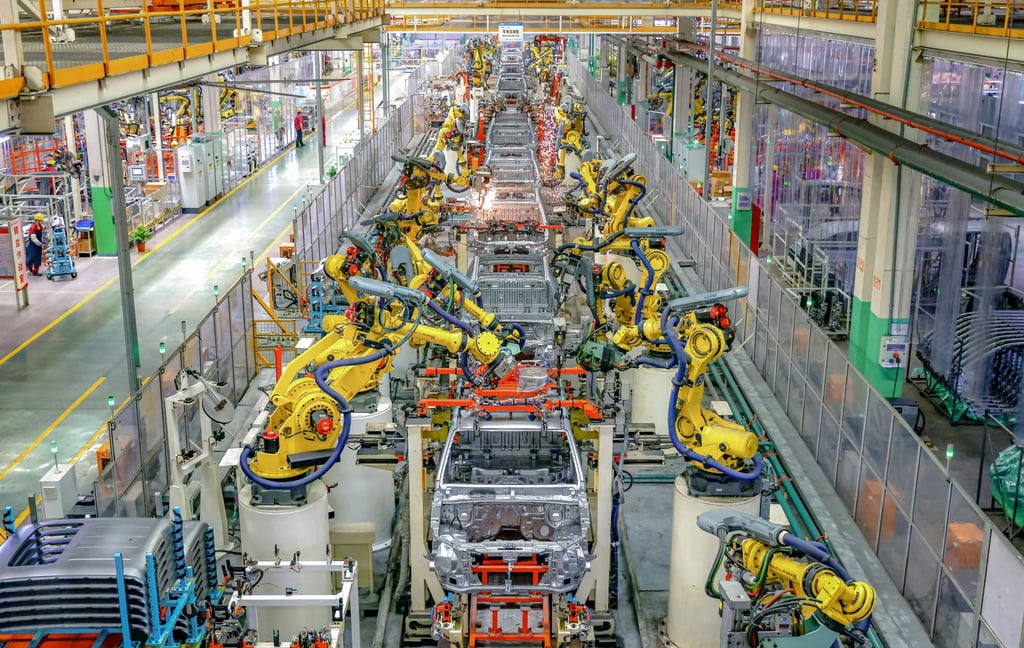
In 2020, EVs made up about 6 per cent of new car sales in China. By 2026, that figure had climbed past 60 per cent.