You can hear it before you see it: the chaos and clatter of shuffling tiles, the rhythmic tap-tap as miniature walls rise, followed by calls of victory erupting across the table.
For Connor Wan Cing-tsuen, this isn’t just a game but the heartbeat of his culture and an echo of a childhood spent watching relatives play. Now, he’s determined to pass it on to future generations.
Once seen as a pastime for aunties and uncles, millennials and Gen Z in Asia and across the Chinese diaspora are rediscovering mahjong as a bridge back to family, memory and identity. At the heart of this revival are a growing number of players, club organisers and artists shaping the game’s next chapter: part creative experiment, part act of cultural preservation.
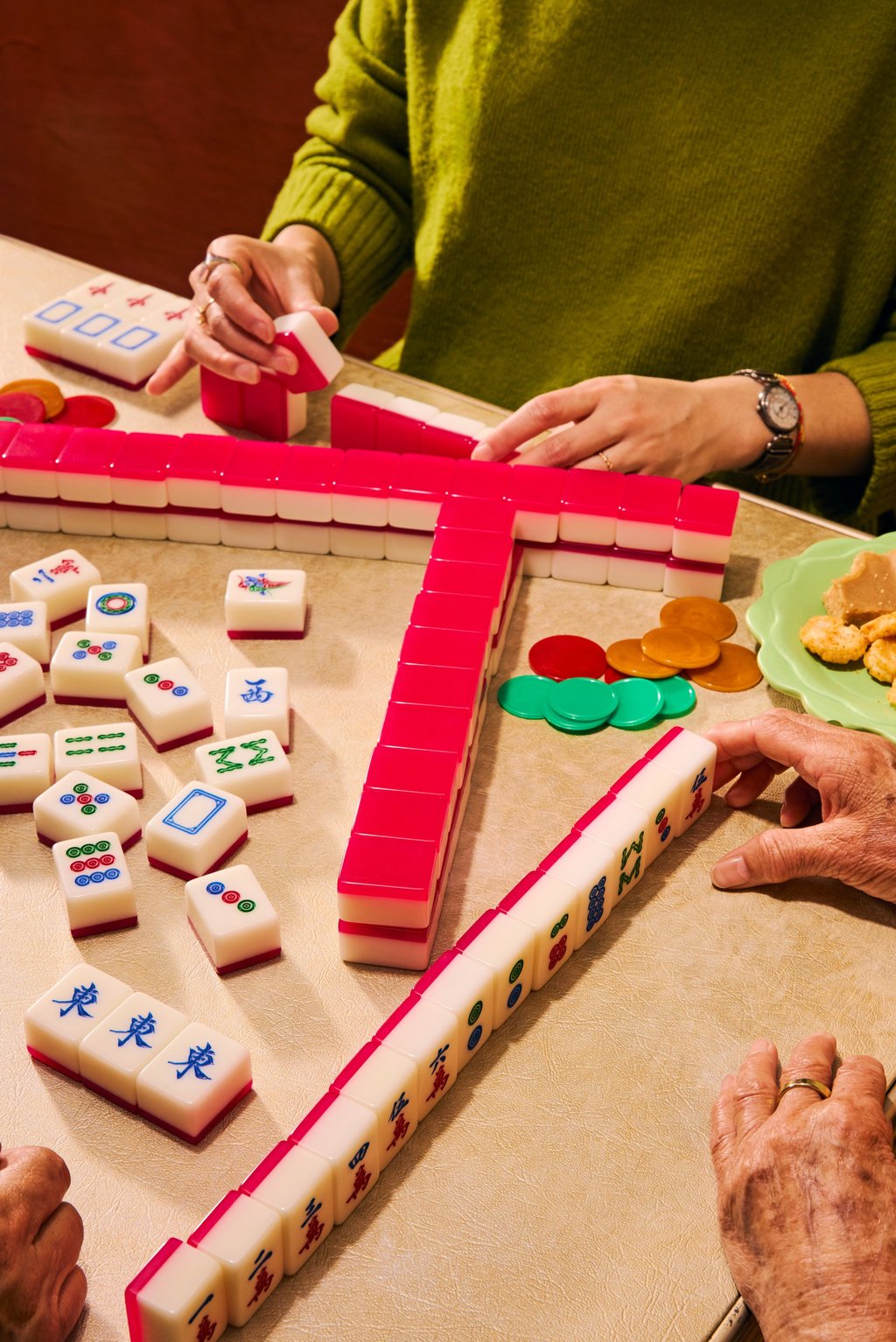
Millennials and Gen Z across the Asian diaspora are learning to play mahjong. Photo: Andria Lo/Mahjong: House Rules from Across the Asian Diaspora
For people like Wan, whose family hailed from Hong Kong’s New Territories before settling in Britain, the game is a canvas to reimagine cultural heritage on their own terms. Since 2022, Wan has helped build two volunteer-run mahjong clubs from scratch in London and Toronto under the name Four Winds, with the Toronto chapter now known as All Flowers Mahjong – spaces for people of all ages and levels to gather weekly to learn and play Hong Kong-style mahjong.
What began as small gatherings of 30 or so people has blossomed into events that now attract nearly 100, says Wan, who currently co-leads the Toronto chapter. This growth fits into a wider trend; searches for mahjong events on Eventbrite jumped 365 per cent in the United States between 2023 and 2024, and in Japan, the number of teenagers playing the game has doubled in recent years.
For Wan, this is a testament to the game’s staying power and 200-year history. “Having this malleable thing that’s known as a home game is what I think really kept it alive because it’s passed down through generations and socially, instead of through officially sanctioned channels,” he says.
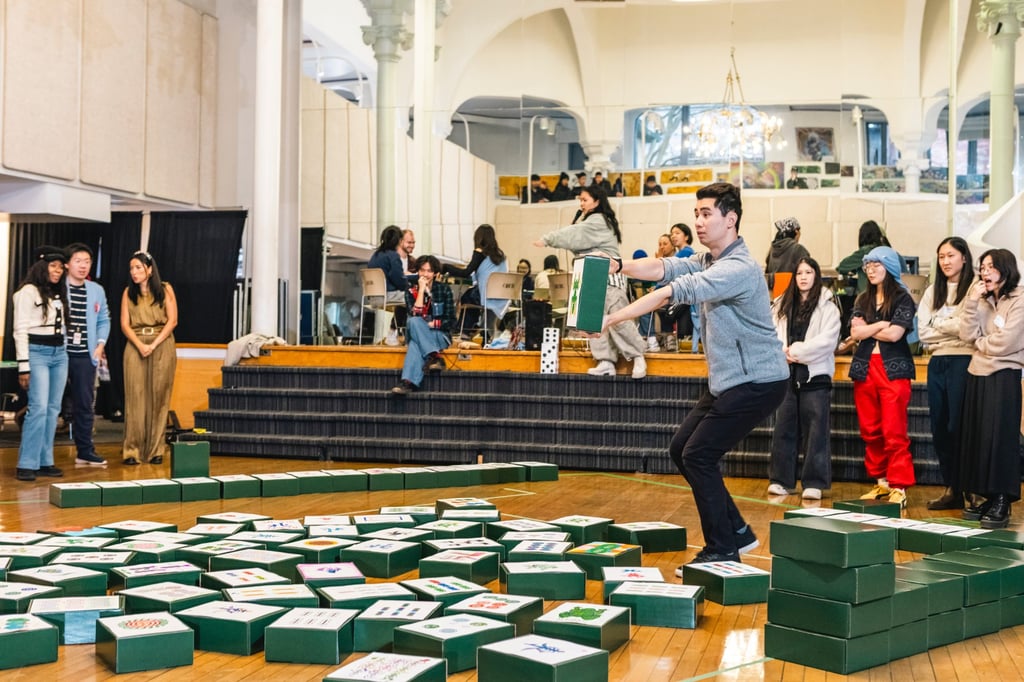
Mahjong fans play a game with outsize tiles in Toronto, Canada. Photo: Gabriel Li
Wan believes that the game’s strength lies in its flexibility, which second- and third-generation immigrants can embrace without the need for fluency or physical proximity to home. “A lot of people who come to the club are diaspora kids who may not be as connected to their heritage as they want to be, or they just never found the time to learn the language,” he says.