Hotel Central reopens and brings old Macau back to life
The grand dame, once a haunt of James Bond author Ian Fleming, has been resurrected by a local who vowed to own it as a boy

On July 22, 1928, the great and good of Macau gathered to celebrate the official opening of the seven-storey President Hotel, led by the brilliantly mustachioed, poetry-loving Portuguese governor Artur Tamagnini de Sousa Barbosa. The location of the colony’s newest hotel couldn’t have been better: it was the most prominent building on the colonnaded thoroughfare of Avenida de Almeida Ribeiro (San Ma Lo in Cantonese), a stone’s throw from the two historic hubs of colonial Macau: Senado Square and the Praia Grande, the city’s chief promenade.
At the time, the President Hotel was the tallest building not just in Macau but in all of Portugal’s colonies, leading it to be dubbed “The Supreme Hotel of the Portuguese Empire”. Two years later, it was renamed the Hotel Central, which it’s remained ever since, through good times and bad – of which, for this storied spot, there have been plenty of both.
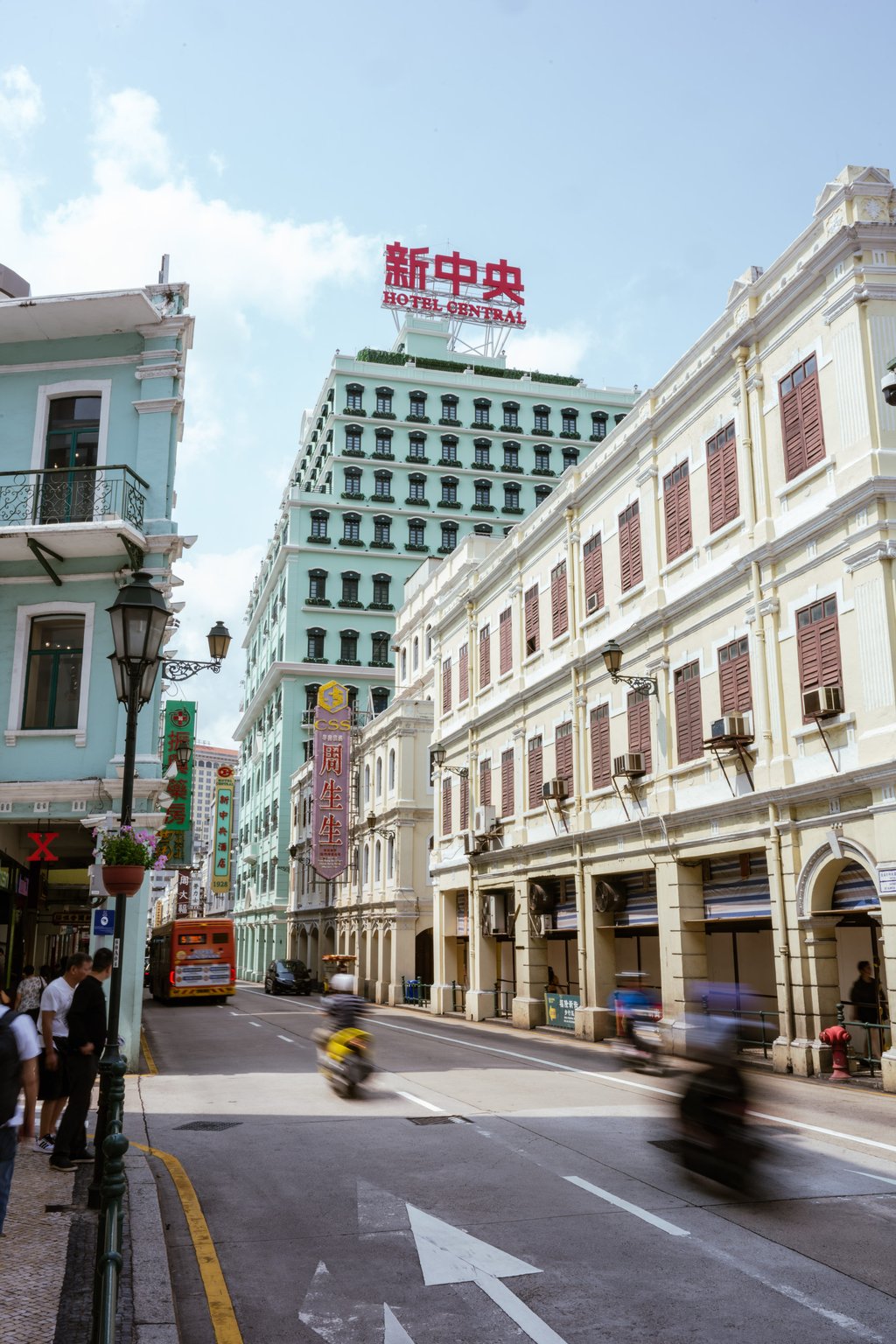
But the Central was something new to Macau – a comparative skyscraper. Just how dominant it was can be seen in photographs from the time, or in the artist George Smirnoff’s 1940s study of Senado Square painted from the incline of the Travessa do Roquete on the opposite side of the square. For decades, the property remained the tallest building in Macau. Exceptional not only for its stature, the Central was also the first hotel in Macau to have lifts and a refrigerator, as well as one of the first with in-room telephones and marble floors throughout.
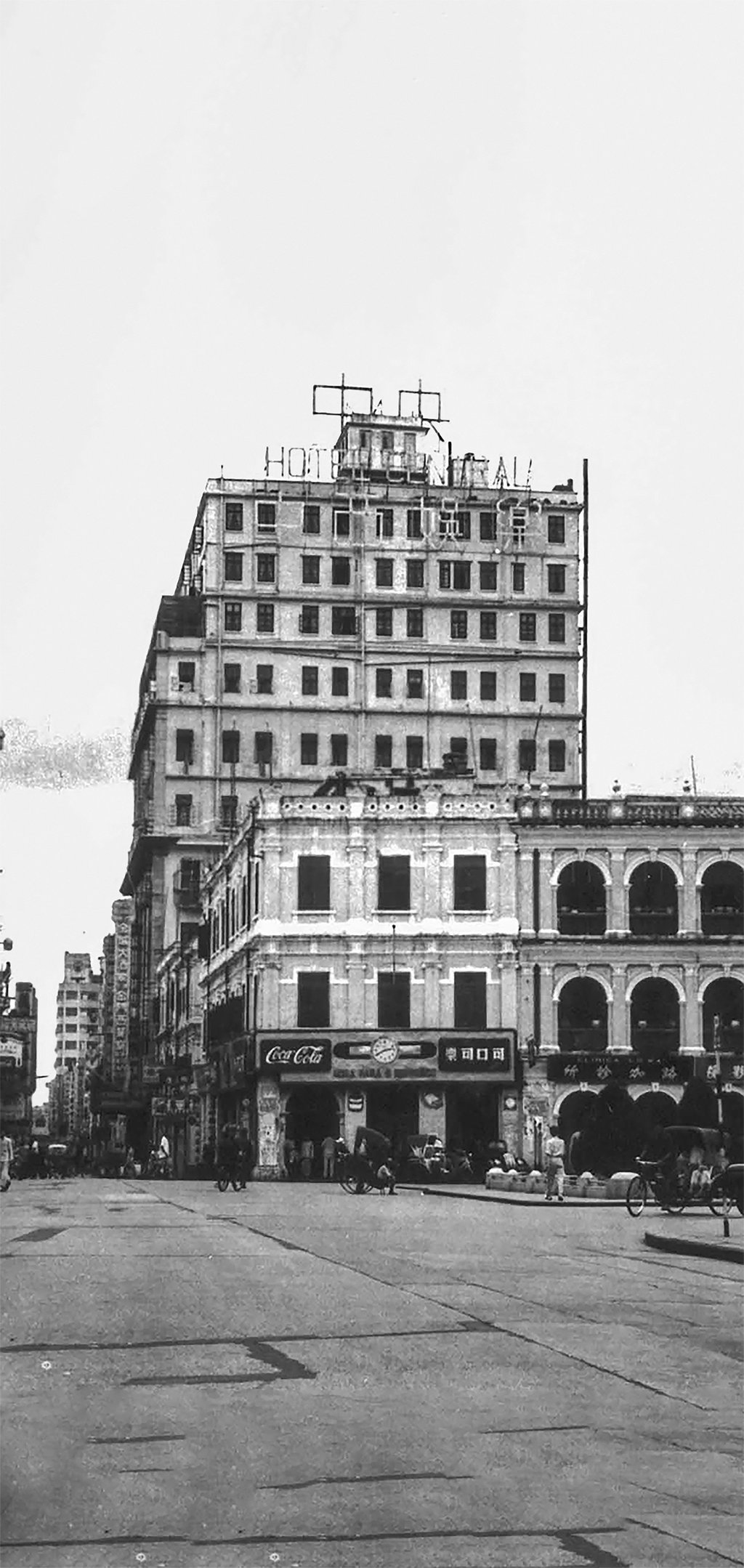
Over time, the Hotel Central changed. A giant ballroom, a cinema and gambling rooms were opened in 1937, making it an entertainment hub as well as a hotel. Visitors from southern China and Hong Kong who felt lucky flocked to the Central, where they could gamble, drink, dance and lodge under one roof.