The Don Don Donki store in Causeway Bay is buzzing as always, and the Kuromi shelf is already picked clean. Joyce C stares at the empty space and sighs. Around her, shoppers scoop up other Sanrio items: Hello Kitty erasers, My Melody hair clips, Cinnamoroll stickers.
“Whenever I go to Donki to buy Kuromi merch, it’s always sold out,” she says, half-exasperated, half-amused. The 22-year-old has been steadily building her Kuromi collection since she started working, but her attachment to the mischievous bunny in a black jester hat goes back to her childhood.
As someone who grew up in early noughties Hong Kong, I understand the appeal. It was near impossible to ignore the many mascots stamped onto stationery and lunchboxes. As an adult, I still plaster Kuromi and Cinnamoroll stickers on everything I own. I’m far from alone.
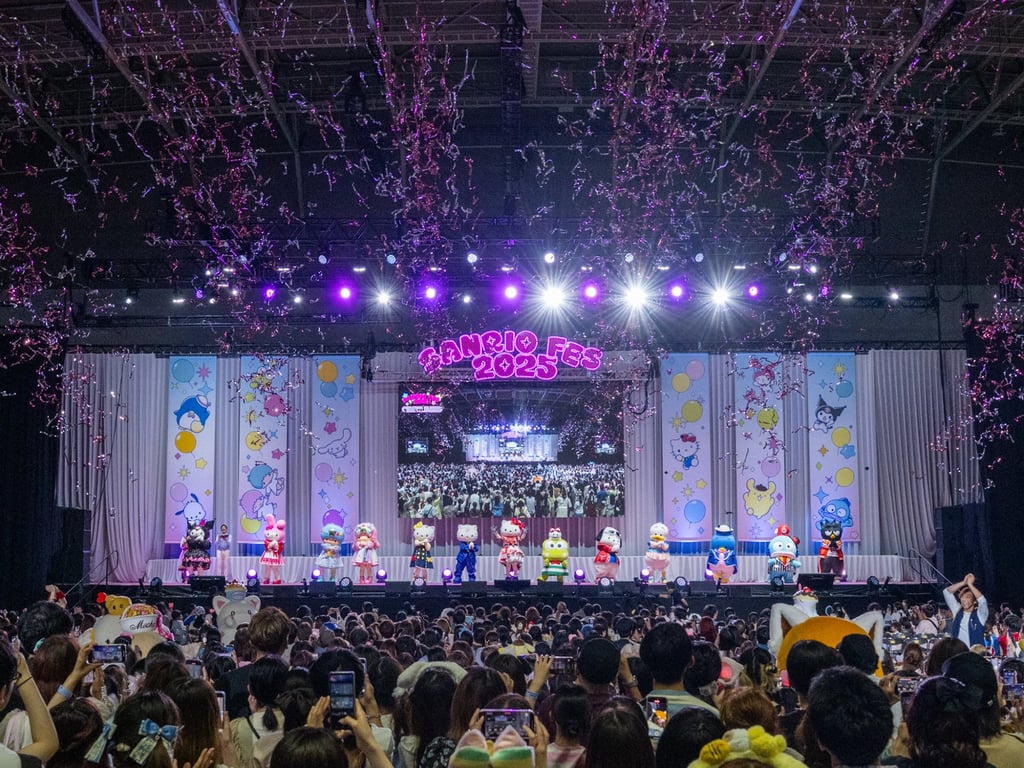
At Sanrio Fes 2025, in Yokohama, Japan, the company announced this year’s Character Ranking, where Pompompurin claimed first place. Photo: Sanrio
Before Labubu, Sonny Angel and Crybaby ignited the collectible figurine frenzy, there was Sanrio, a Japanese company whose mascots brought kawaii culture into the global mainstream. For many, Hello Kitty was the first character they collected or passed on to the next generation.
In June, at Sanrio Fes, in Yokohama, Japan, the company announced this year’s Character Ranking that drew a record 63 million ballots, with Pompompurin edging out Cinnamoroll, and Pochacco, Kuromi and Hello Kitty rounding out the global top five. The ranking isn’t only a leaderboard; it shows Sanrio fandom is still strong even as competitors such as Pop Mart churn out blind boxes at speed.
Joyce first saw Kuromi on television in kindergarten. “You feel an affinity for one character and it just sticks with you for a very long time,” she says. She felt drawn to Kuromi for its edgy, punk feel – at least, as edgy as Sanrio gets. “It’s a dark aesthetic and I used to be into that. I thought that was cool.”
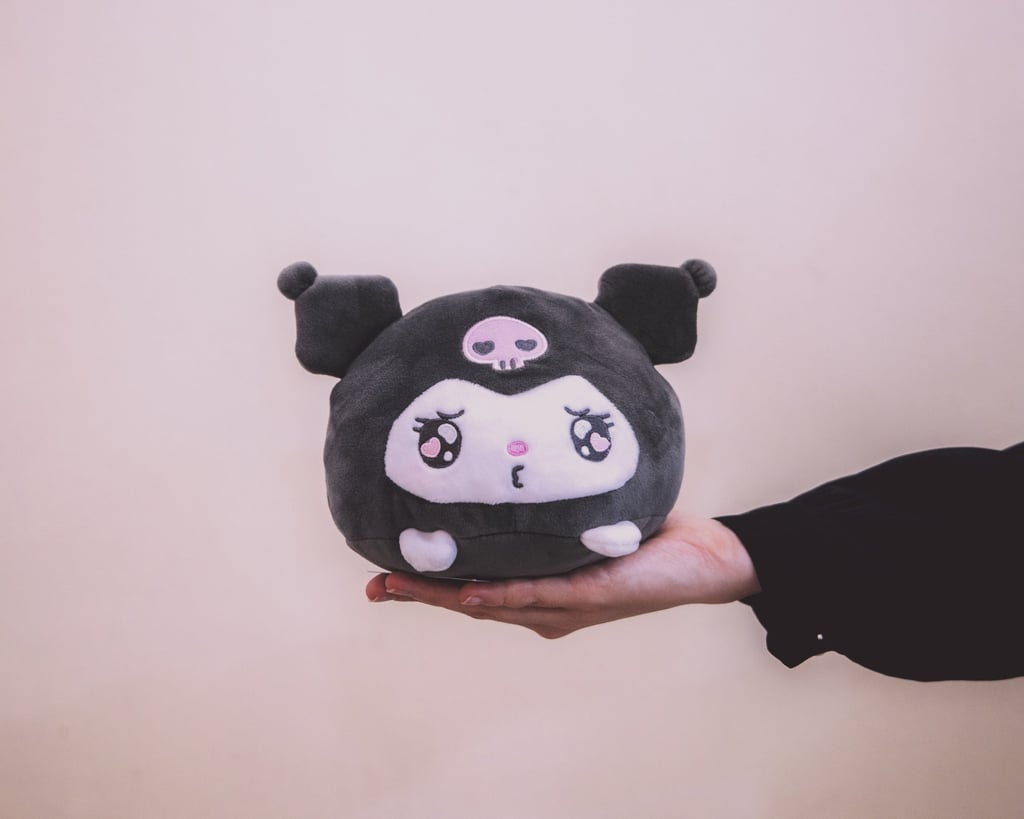
Kuromi is the playful foil to the sweet and innocent My Melody. Photo: Jocelyn Tam
On her debut in 2005, Kuromi was positioned as the playful foil to the sweet and innocent My Melody, who has evolved to symbolise an alternative, online subculture.