Hong Kong Science Park celebrates 25 years of innovation and growth
As Hong Kong’s premier science and technology ecosystem marks its silver jubilee, PostMag revisits the legacy of connection and invention that sustained 25 years of innovation, and meets the leaders driving the vision for the institution’s next chapter

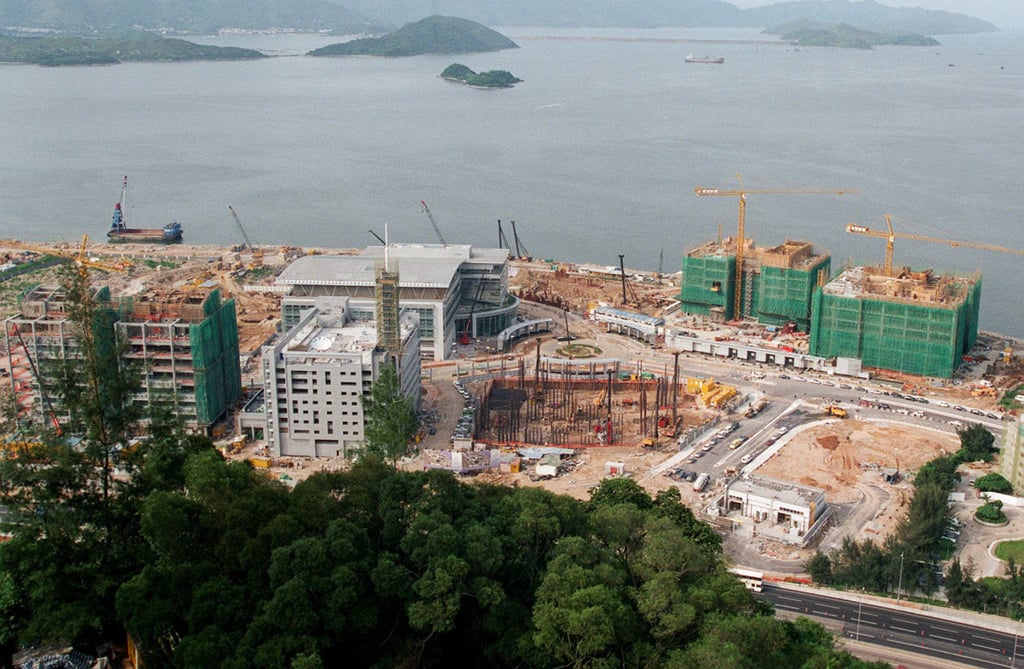
A particular kind of energy settles over Hong Kong Science Park on a weekday morning: researchers, deep in conversation, cross footbridges with laptop bags slung over shoulders; engineers transport prototypes between buildings, hunting for the next set of testing conditions; the air is rich with the buzz and hum of a community that has, over a quarter of a century, grown from reclaimed land at Pak Shek Kok into the largest start-up incubation platform in the city.
Hong Kong Science and Technology Parks Corporation (HKSTP) kick-starts its silver-jubilee celebrations this year, and that industrious atmosphere is precisely what its new chairman, Cordelia Chung, wants people to understand about what has been built here. Not a laboratory, not a gadget: an ecosystem driving growth – one she intends to carry into its next phase.
Chung took up the chairmanship on July 1, arriving with a résumé that speaks of more than two decades inside one of the largest technology companies in the world. At IBM, she held senior leadership roles and steered the mainland China, Hong Kong and Asean markets, served as the vice-president and general counsel for Asia-Pacific, and was appointed to the IBM chairman and CEO’s Global Strategy Council as its first Asian female executive, contributing to worldwide direction setting across more than 140 countries. Her international background – having lived and worked in Tokyo, Singapore, Shanghai, Beijing and Hong Kong – brings a broader outlook.
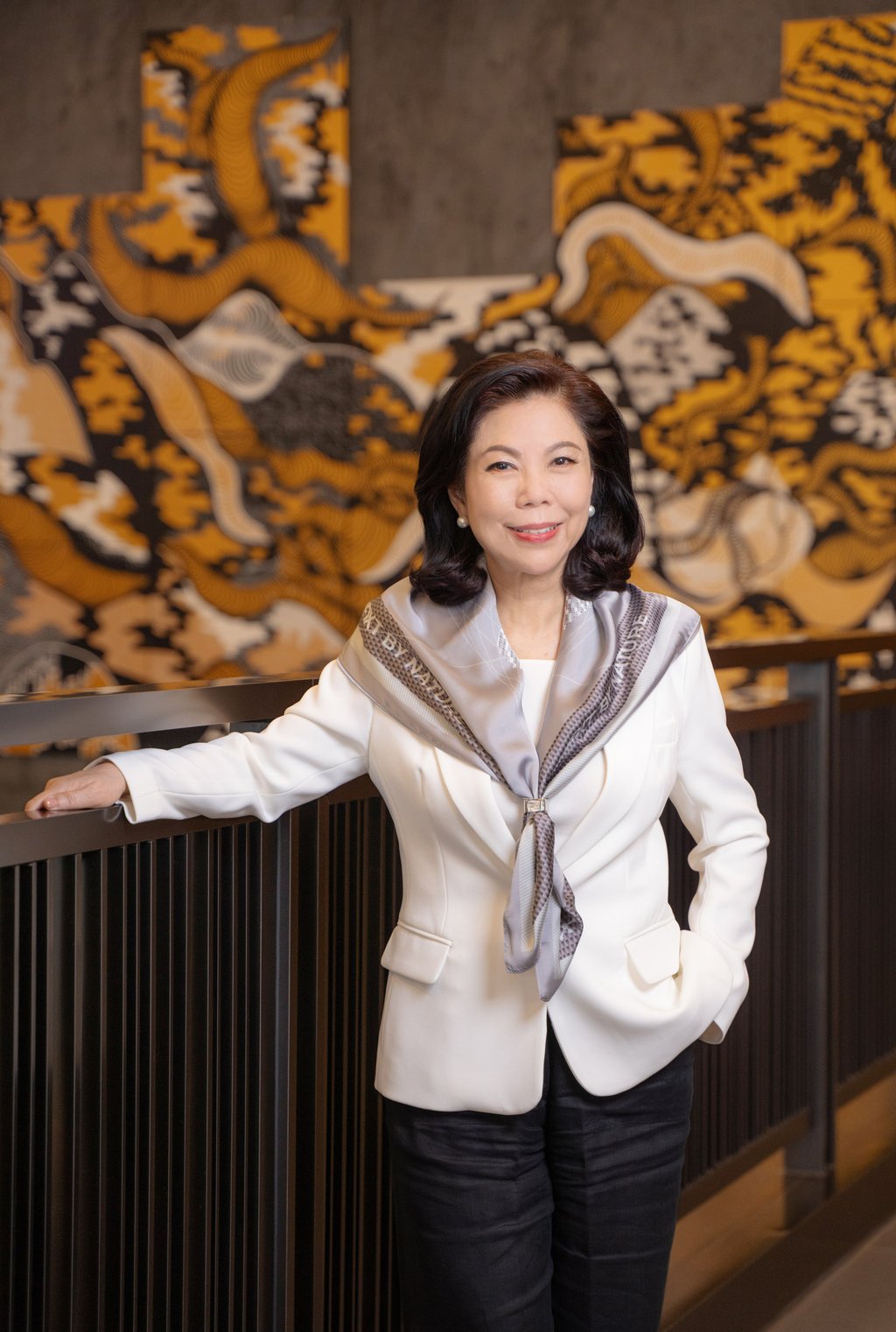
She is no stranger to HKSTP, either, as her tenure on the board of directors, from 2017 to 2023, will show. Among Chung’s long list of achievements, receiving the Medal of Honour from the Hong Kong government in 2024, for her role in propelling the city’s innovation and technology (I&T) development, is arguably one of the most meaningful.
It is that blend of corporate governance and lived experience in a future-focused sector that shapes Chung’s vision for HKSTP, along with her sense of service to the community, instilled early on during her formative years at a convent school, which guides her intentionality to empower and enable talents.
China’s 15th five-year plan outlined high hopes for the continued advancement of Hong Kong’s I&T industry as an international hub for science and technology, and for it to deliver results. But Chung does not reach for a single headline figure to convince the audience of her ambition, instead framing her philosophy around four qualities: breadth, depth, height and strength.
“Hong Kong’s economy has relied heavily on finance and service industries, but facing global challenges, industrial transformation is now imperative. What we’re currently looking for is the breadth of I&T. We want to fully integrate I&T into traditional industries in order to expand Hong Kong’s industrial base,” she says, explaining that expanding talent development, nurturing that passion early and planting the seeds will provide a clear pathway for the next generation.
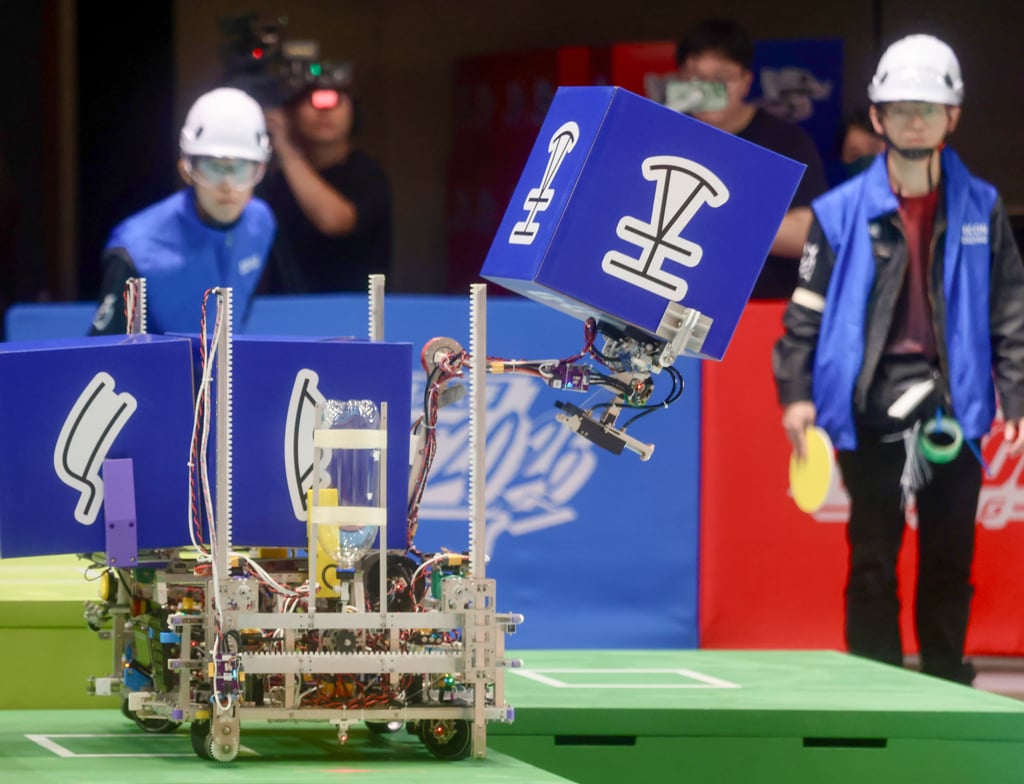
Once breadth is established, depth comes into play. “Besides pursuing advanced technology, we also aim for a wide application of technology,” she says, pointing to the investment in AI computing capacity as the base for something broader than any one company’s product road map. “It offers hope for transformation to traditional industries that have reached a bottleneck.” She counts off some of Hong Kong’s foundational economic pillars: “Financial services, construction, real estate, education – all of them can be pushed forward with technology, and it can be applied to so many different disciplines.”
Height, the third quality, is where Chung’s own international career shines through most clearly. Hong Kong’s unique East-meets-West positioning must be leveraged to “proactively attract businesses and talent from around the world. At the same time, we must lead the world by helping local and mainland Chinese I&T ventures expand to global markets”.
Last but not least, strength describes the pace and density she wants HKSTP to sustain. “It’s easier to create synergy when talent, capital and different resources are highly concentrated,” Chung says. Bumping into experts from different fields while walking through the park’s corridors and campuses encourages exchange and intellectual confluence. Removing friction at each stage of a company’s growth and creating a support network to match innovators with investors allows the start-ups to have the “sprint energy” to break through and thrive.
Chung’s vision is grand, and to understand her framing of the next chapter, it helps to trace how HKSTP arrived at this one.
Its roots stretch back to the 1970s, when the first of three industrial estates – in Tai Po, Yuen Long and Tseung Kwan O – was established, starting a lineage that eventually produced the Hong Kong Industrial Technology Centre Corporation in 1993.
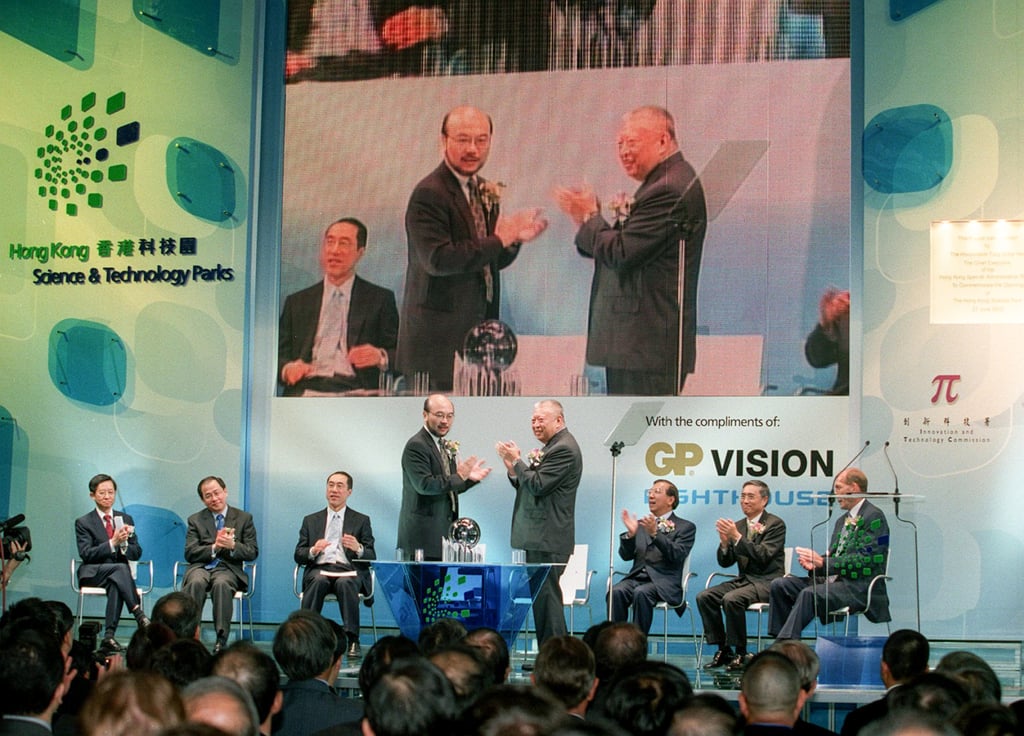
It was not until 2001 that the government consolidated these assets under the HKSTP umbrella as the city’s flagship innovation and technology body, with the Hong Kong Science Park at Pak Shek Kok as its centrepiece.
With a quarter of a century under its belt, that foundation has grown into a multi-location operation spanning around 240 hectares (593 acres) of dedicated infrastructure. With a network of more than 210 investors and over 500 public- and private-sector partners, HKSTP credits these relationships with keeping talent, technology and capital moving through its community.
In the past eight years alone, HKSTP has demonstrated rapid acceleration, raising more than HK$170 billion (US$21.7 billion) in funding for its start-ups, with its Corporate Venture Fund leveraging private capital at a ratio of roughly one to 13. Under Chung’s predecessors, the number of companies based in the park rose from around 600 to more than 2,600, 14 unicorns were nurtured and 23 start-ups went public. HKSTP counts more than 26,000 professionals from 26 markets among its ranks, including success stories such as SenseTime and Lalamove, all built and scaled within its own ecosystem.
From its origins as an industrial asset manager, the evolution of HKSTP into a global technology catalyst has been defined by game-changing milestones. Following Hong Kong Science Park’s opening in June 2002, early operations focused on building research and development (R&D) capacity across four pillars: electronics, biotechnology, precision engineering and IT. Back then, Hong Kong’s technology scene was primarily designed to serve as an innovation engine for the city and the Pan-Pearl River Delta, reimagined in 2019 as the Greater Bay Area.
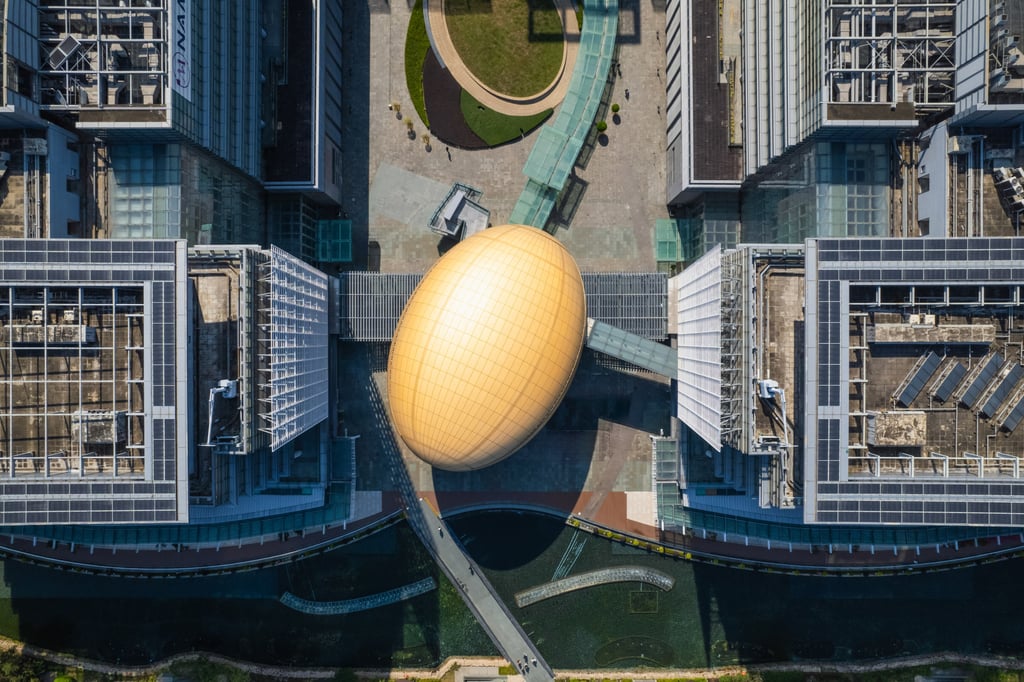
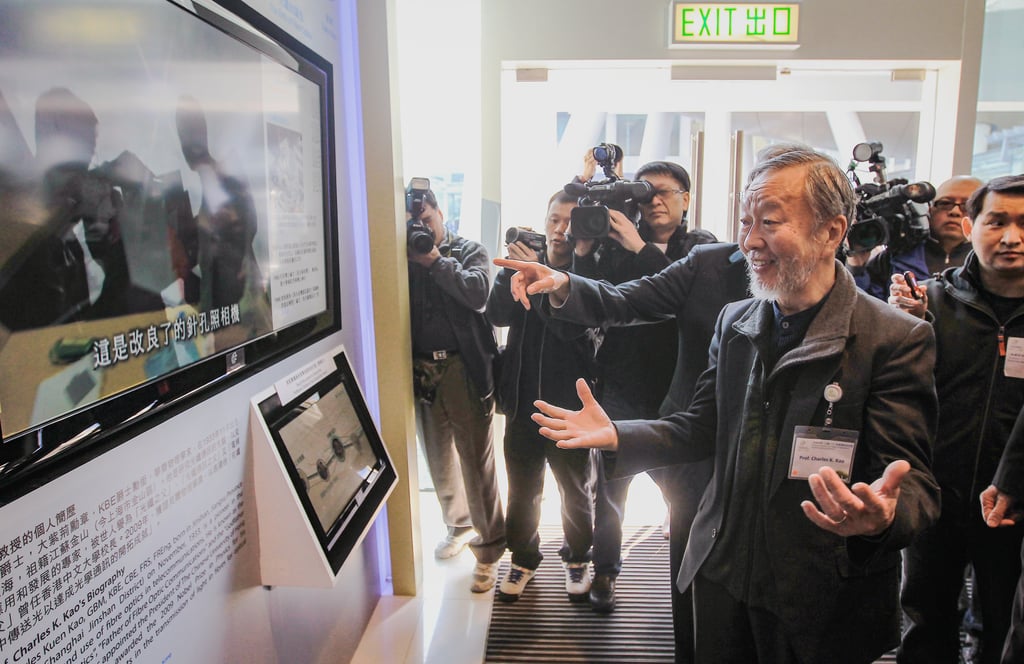
An iconic symbol of this ambition arrived in 2010. Following Charles Kao Kuen’s Nobel Prize win the previous year for groundbreaking achievements in fibre optics, HKSTP named its central landmark – the striking ovoid Charles K. Kao Auditorium, affectionately dubbed the “Golden Egg” – in honour of Hong Kong’s own laureate, inspiring generations of local talent.
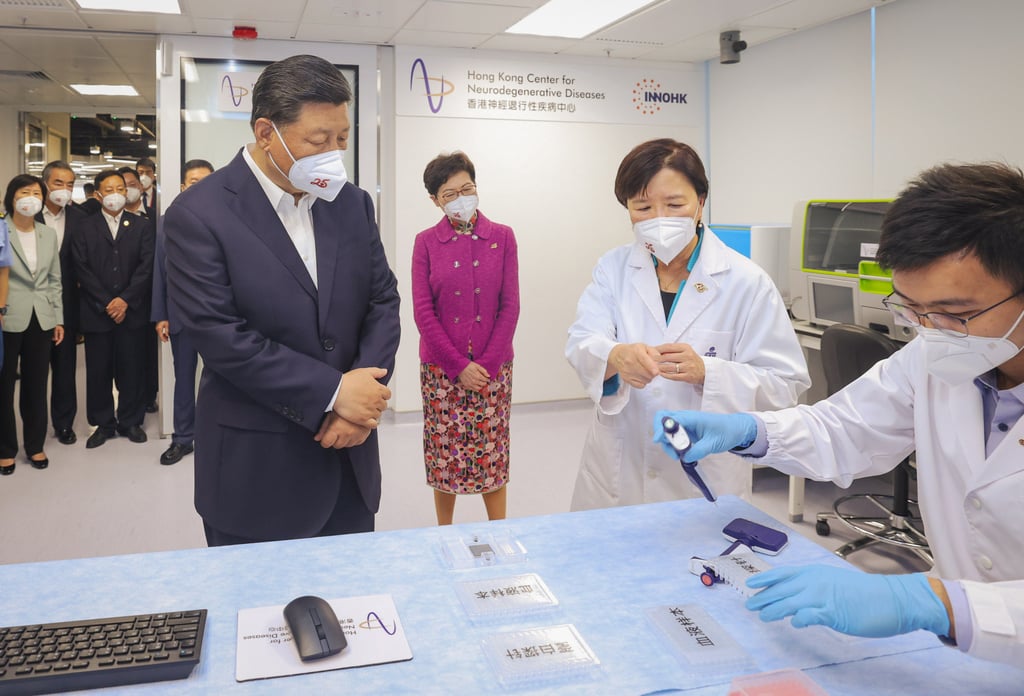
In 2019 came the announcement of InnoHK, a flagship government initiative enabling research collaborations in artificial intelligence, robotics and healthcare with top global universities, while 2021 saw the repositioning of the three traditional industrial estates in Tai Po, Yuen Long and Tseung Kwan O as modern InnoParks.
It was a pivotal era that culminated in a historic visit by President Xi Jinping, in 2022, cementing the park’s role in the national innovation agenda.
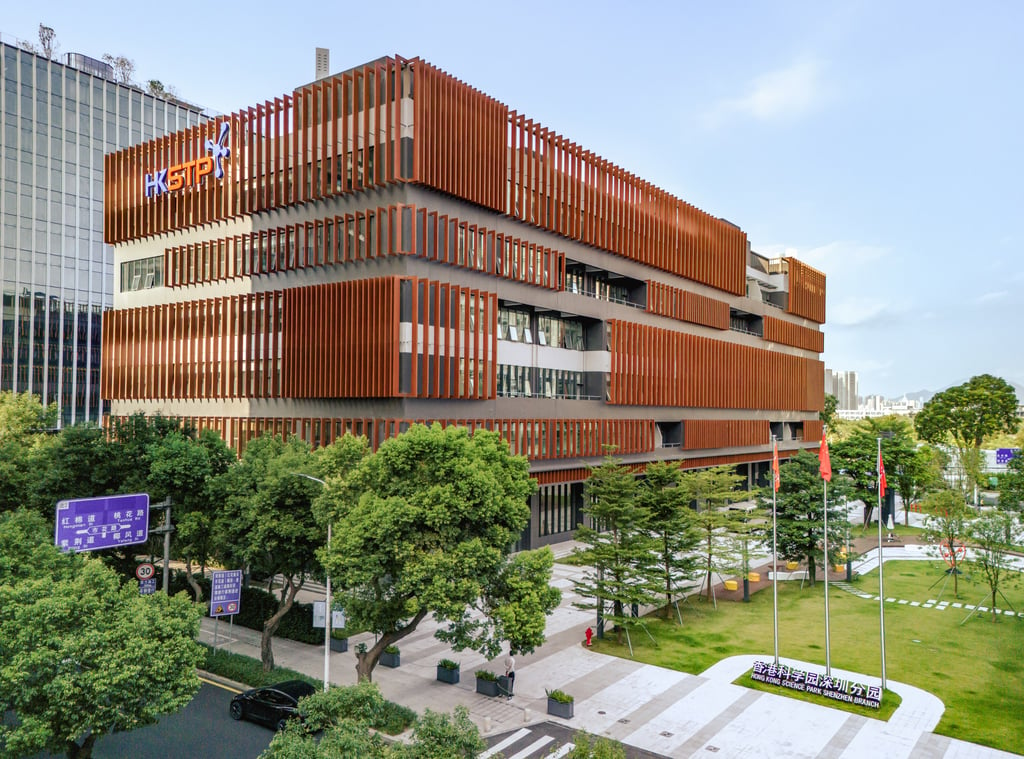
HKSTP’s momentum has only accelerated. It extended its physical footprint with a Shenzhen branch in Futian district the following year and, in 2025, the Shenzhen-Hong Kong-Guangzhou Innovation Cluster was ranked No 1 in the world.
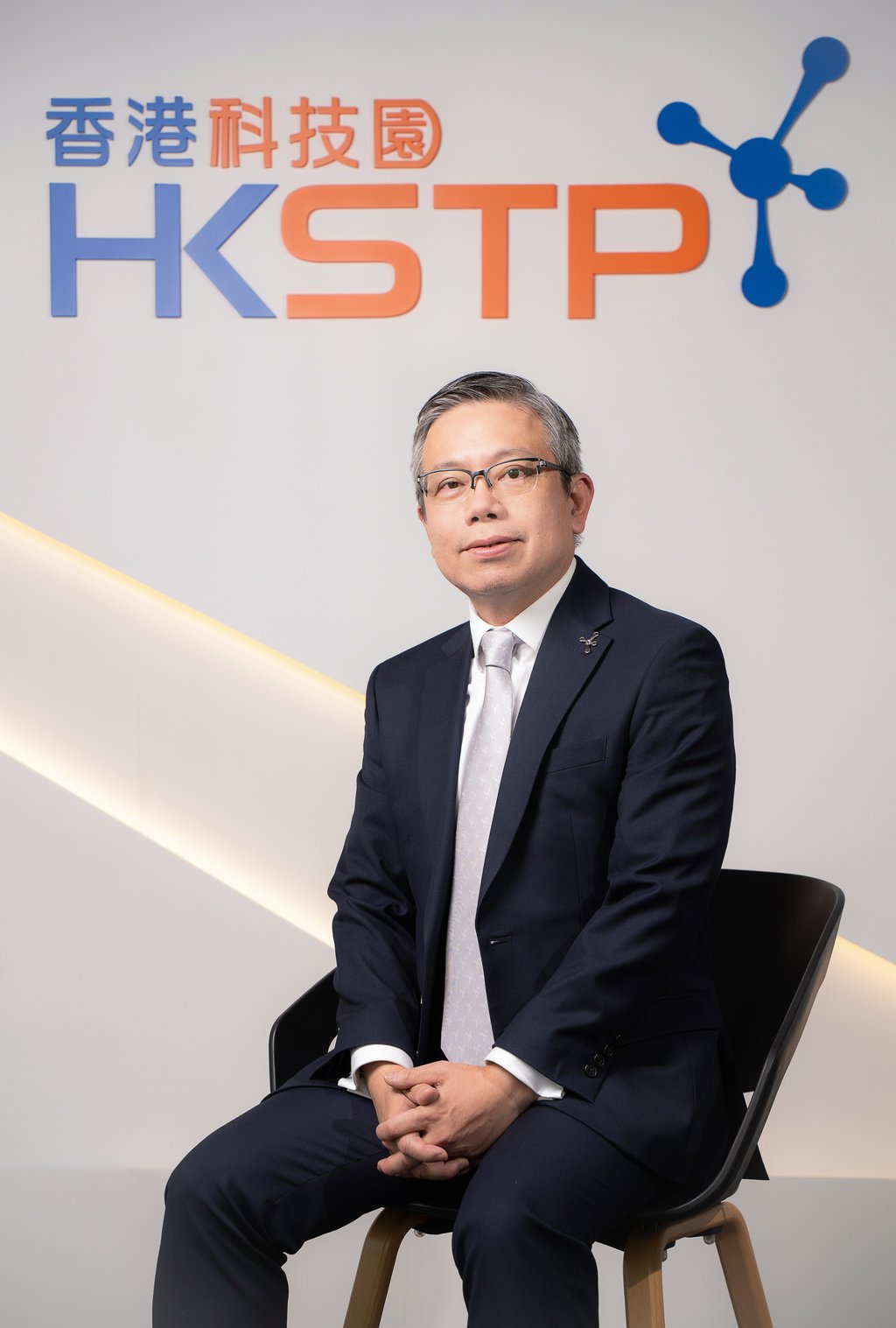
If Chung supplies the vision for the road ahead, HKSTP CEO Terry Wong Ping-sau is responsible for the daily mechanics of getting there. Wong has more than 30 years of international executive experience across advanced mobility, smart cities, infrastructure and energy, including in markets such as Australia and Saudi Arabia, but he describes his own first year in the role as a process of listening intently before acting.
“I spend a large amount of time almost every day meeting stakeholders, including universities, the government, start-ups, corporations, partnerships and investors,” he says, adding that he celebrated his one-year anniversary at HKSTP in much the same way. In fact, that instinct for stakeholder management is not so different from the discipline required to deliver an infrastructure project, despite the subject matter. Big budget, small budget, international, or local matters not. “We have to have a strategy, be clear about what we want to achieve, and work together so that big teams share the same goal.”
What has changed is the expanded terrain that HKSTP now covers, a point that dovetails with Chung’s own emphasis on breadth as a strategic priority. “We have a broad technical arena,” says Wong. “Market development, AI and robotics – it’s so broad, no one can say they’re an expert in all of this.”
But there is a method to the madness of managing that range. HKSTP has organised its support around four pillars that play to Hong Kong’s natural advantages: life and health technology, AI and data science, green technology and advanced manufacturing. Support is calibrated to a company’s stage of growth, moving from early incubation, global connections and talent scouting through to business development, early capital and elite programmes, as well as venture-capital networks designed to help mature firms expand abroad. Wong describes this as a journey “from ideation to IPO”, spanning over 20 initiatives, including funding, proof-of-concept support, business matching and market access.
Central to delivering that support is Inno.OS, the corporation’s own platform, blending hardware, software and services to help companies build value. Physical infrastructure is equally important. Beyond Hong Kong Science Park, the three InnoParks, dedicated to advanced manufacturing, offer plug-and-play production facilities that let companies move quickly from R&D into commercial output. A GreenTech Hub focuses on sustainability, and a new I&T facility, InnoPole, has been announced at the San Tin Technopole, in the Northern Metropolis area of the New Territories, where Chung has separately been appointed to the board of the dedicated company overseeing the site.

Successful support systems must also consider the well-being of the innovators at the heart of progress. InnoCell, a 17-storey smart-living and co-creation space next to Hong Kong Science Park, was built to house the talent on which the ecosystem depends. It embodies what HKSTP describes internally as a “Work, Live, Play, Learn” philosophy: proximity between researchers, engineers and entrepreneurs, whether in a laboratory or a shared kitchen, produces the kind of chance encounter that formal programming cannot manufacture. InnoCell is a physical expression of the same principle Chung raises when she talks about strength: put enough talent and capital within walking distance of one another, and ideas begin to take shape.
Nowhere is that philosophy more apparent than in life and health technology. More than 350 companies within the HKSTP ecosystem are involved in such fields as drug discovery and digital health. PanopticAI, a start-up founded by Hong Kong University of Science and Technology (HKUST) alumni, has developed a camera-based monitoring solution capable of reading vital signs, including heart rate, blood pressure and respiration rate, from little more than a short video clip. PanopticAI won clearance from the United States Food and Drug Administration (FDA) for contactless pulse and respiratory rate measurement on its mobile application, making it the first Hong Kong company to secure such approval for a piece of software as a medical device. Early adopters now include Gleneagles Hospital Hong Kong and healthcare firm Bupa.
Another example is Koln 3D, a Hong Kong Science Park company that has become the first medical metal 3D-printing manufacturer in the city, producing patient-specific body implants used in reconstructive surgeries as far afield as Central Asia and Europe. Its AI-powered technology can accurately tailor-make bone replacements and 3D models.
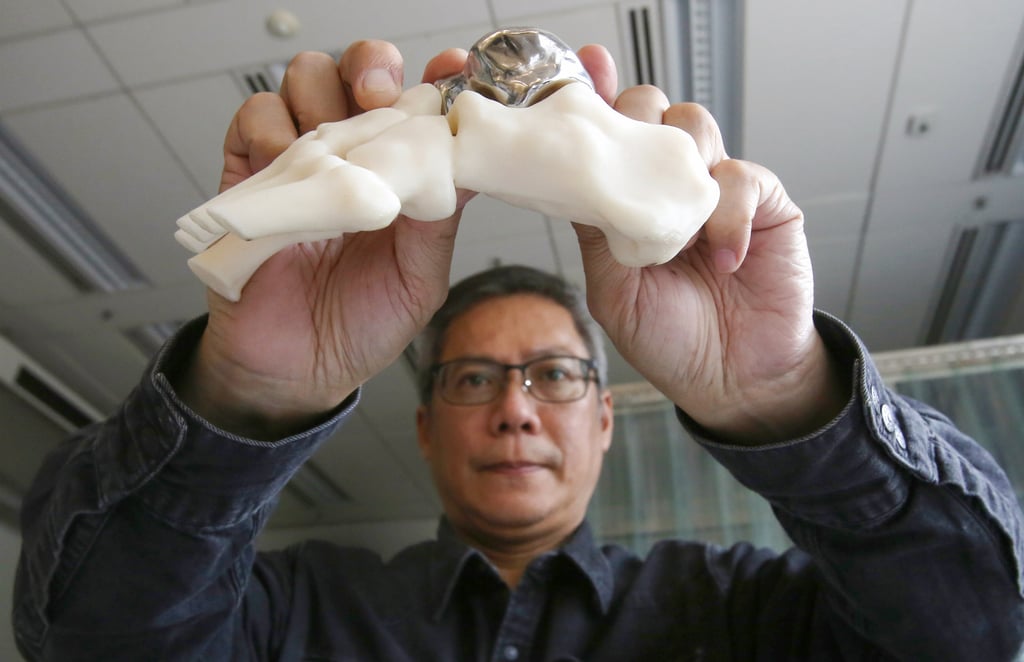
Starting out in 2013, Koln 3D has since expanded its production into the Greater Bay Area and Switzerland, and partnered with hospitals in Singapore, France and Kazakhstan – exactly the kind of internationalisation Chung and Wong say they want to accelerate across the Hong Kong Science Park portfolio.
Meanwhile, Lalamove, an on-demand delivery platform that grew from a local start-up within Hong Kong Science Park into a unicorn that operates in 17 markets across Asia, the Americas and the Europe, Middle East and Africa region, tells the story of scale centred on international expansion.
Founded in 2013, Lalamove, formerly known as “EasyVan”, joined HKSTP’s incubation programme early on to connect with technology partners and unlock investments that accelerated its development. Within 18 months, the company received two major capital injections and expanded to mainland China and other Asian markets. In April, it successfully tested its low-altitude-economy logistics solutions in complex urban environments, flying a cargo-carrying drone from Hong Kong Science Park, over Tolo Harbour, to the Mars Centre in the Tai Po InnoPark.
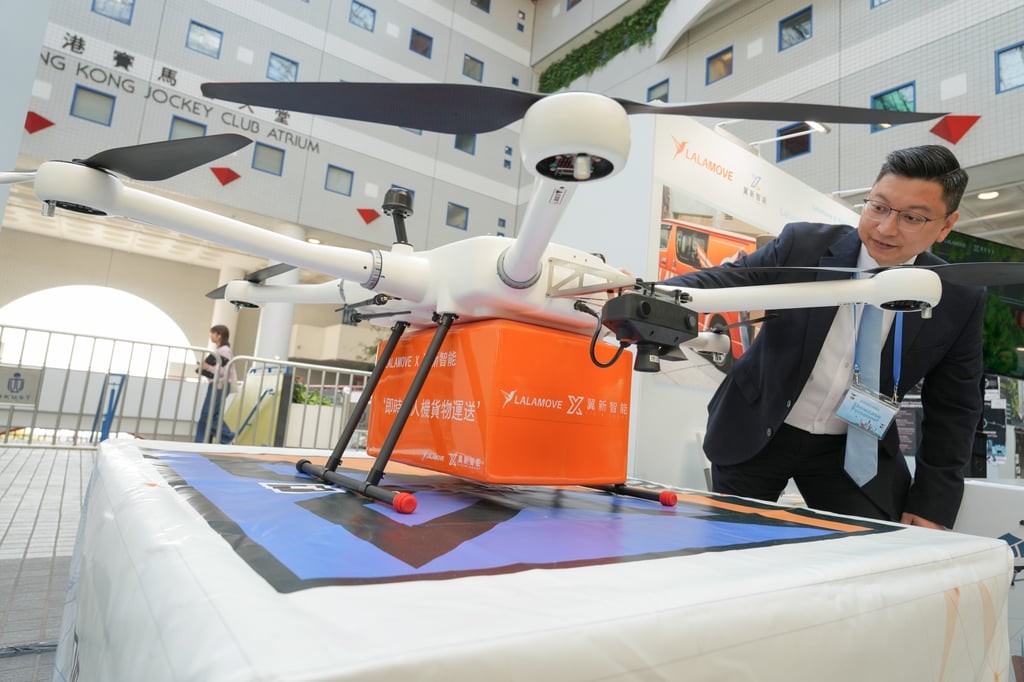
Positioning Hong Kong as a connector is an instinct that runs through HKSTP, supported by its own cross-border work. HKSTP presents itself as a two-way avenue for Hong Kong and mainland Chinese innovators seeking to expand internationally, while also helping overseas companies enter the Greater Bay Area, mainland China and beyond. Its Shenzhen branch has attracted more than 90 innovation companies, helped raise over 800 million yuan (US$119 million) in funding and supported more than 170 companies moving northbound into the mainland and 80 moving southbound into Hong Kong.
“Whatever we do, the market here is too small, anyway,” says Chung. “We need to have that broader, connective outlook.”
HKSTP says its Global Connect programme has brought together more than 8,000 stakeholders, advisers and innovators, while its Global Mixer programme has taken more than 200 partner companies to over 20 exhibitions in more than 10 countries, from Las Vegas to Dubai to Singapore.
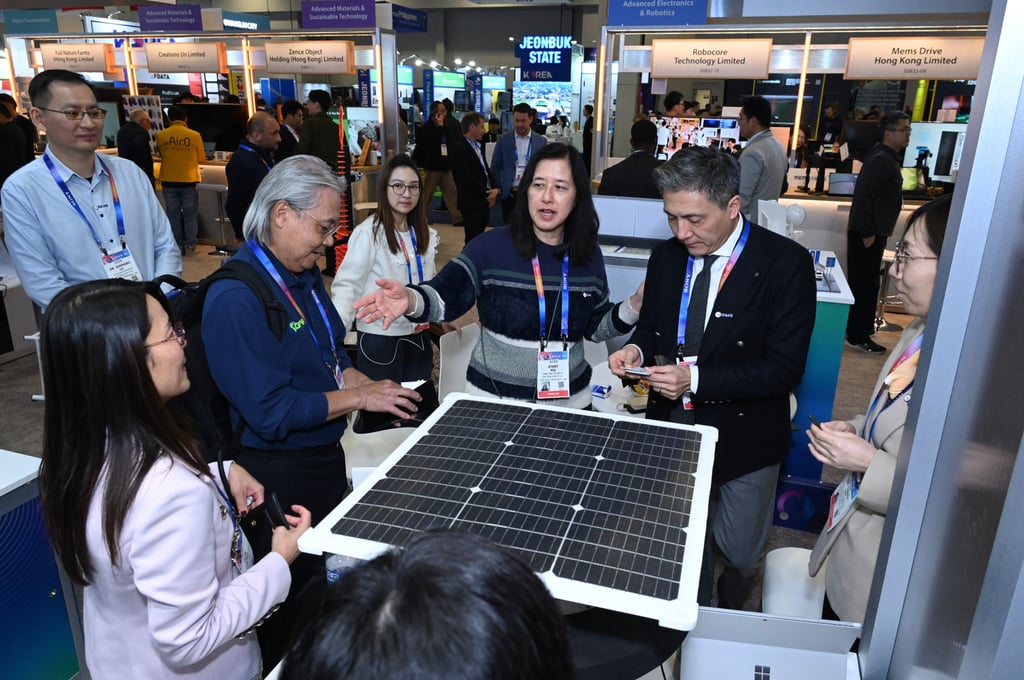
“We can provide what we call a one-stop service,” says Chung. “If you have an idea, we can incubate you, we can give you money. When we think you’re doing a good job, we can help you accelerate. We can introduce investors, lawyers, bankers, tax consultants, accountants – the full suite of things that you need to really grow your business. If what you do is something that can be produced, you can actually land in one of our InnoParks and do the pilot production there and test it out.
“It’s about building the bridge, making sure people are connected, making sure that the people who have the ideas meet the people who can make it happen.”
She explains that the park’s bridging ability can “support the scale and eventual maturity of the entire I&T landscape in Hong Kong. We’re ready; the infrastructure is ready. We’re not going from zero to one, we’re [going] from one to 10 or one to N”.
For companies coming from different starting points, Wong notes, the support required is rarely identical. “For companies from mainland China, their main objective is to expand overseas, and they already have good products that are selling in China.” What HKSTP offers is help understanding global regulatory standards and linking them with the right industry players. Newer, earlier-stage companies tend to need more fundamental support: introductions to researchers, help refining a prototype, or access to corporate partners willing to run pilot trials. “Instead of doing it on their own, the people in our park get access to different stakeholders,” Wong says. “We proactively curate the people they actually need.”
Chung brings the governance experience and the outward-facing conviction to argue that Hong Kong’s next phase depends on breadth of talent, depth of adoption, height of ambition and strength of concentration. Wong brings the operational discipline to turn that framework into an organisation whose real product is connective tissue: the funding relationships, the mentorship networks and the physical proximity that let Hong Kong’s researchers and entrepreneurs turn ideas into products, and products into global businesses.
For an organisation that has spent 25 years building that infrastructure, both physical and relational, Chung’s four-part vision reads less like a slogan and more like a checklist for the next page. Breadth, so that more of Hong Kong’s economy and more of its young people have a stake in the outcome. Depth, so that the technologies built here change how entire industries operate. Height, so that Hong Kong’s position between mainland China and the rest of the world becomes a genuine advantage. And strength, so that the density of talent and capital already gathered keeps generating the kind of collaboration no five-year plan can fully script in advance.
Chung feels confident about the future because she has seen first-hand the path that lies ahead and where it can lead, during her years as a board member of HKSTP. “When I first joined, the start-up population here was around 600. Now, we have over 2,600. It has really grown. But is it enough? I don’t think it’s enough. So, that is one thing that I want to steer: for us to become much more energetic in this area,” she says. “In the last 10 years, 20 years, we have created a solid foundation. Now, we can take it to the next level.”
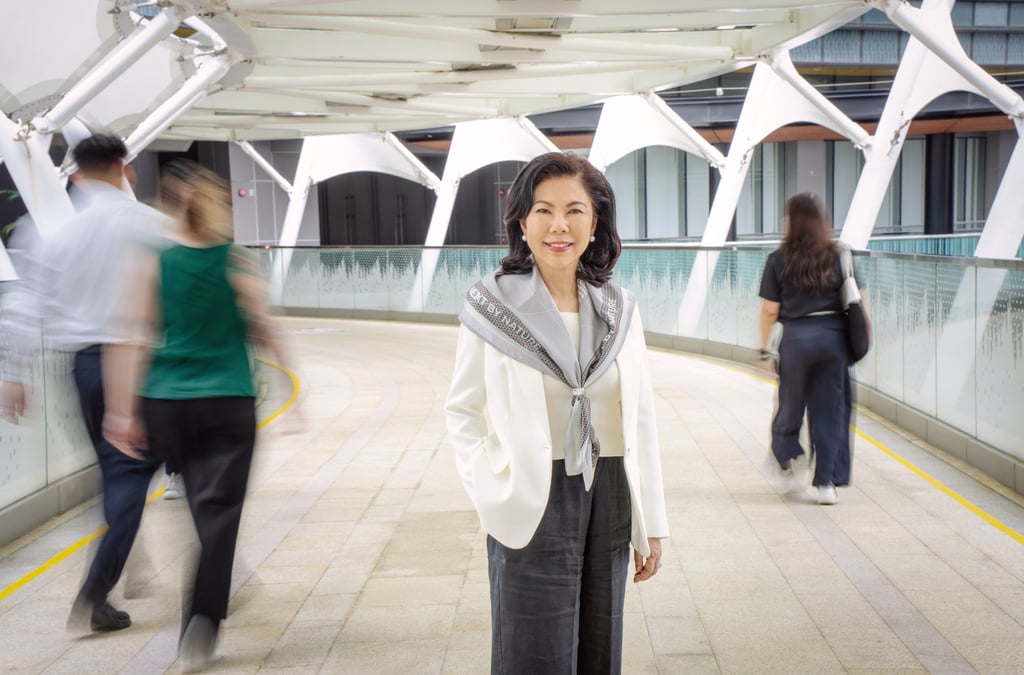
Much can change in the next 25 years. In fact, the chairman is counting on it. Chung muses on the next chapter with good humour: “I have to think of my own age, if I still have the ability to …” She trails off, deep in thought, imagining the possibilities.
“In 25 years’ time, I hope that the various science parks in the entire Greater Bay Area will be truly integrated. With laws and regulations completely streamlined, HKSTP will be the largest innovation cluster globally,” she smiles. “A day at Hong Kong Science Park will look like being in the leading science and technology hub in the entire world: a SuperPark.”